Two Lenders Hike Mortgage Rates Ahead of Bank of England Decision in the UK
Two major lenders have raised mortgage rates just days before the Bank of England's interest rate announcement, signalling caution in the UK mortgage market.

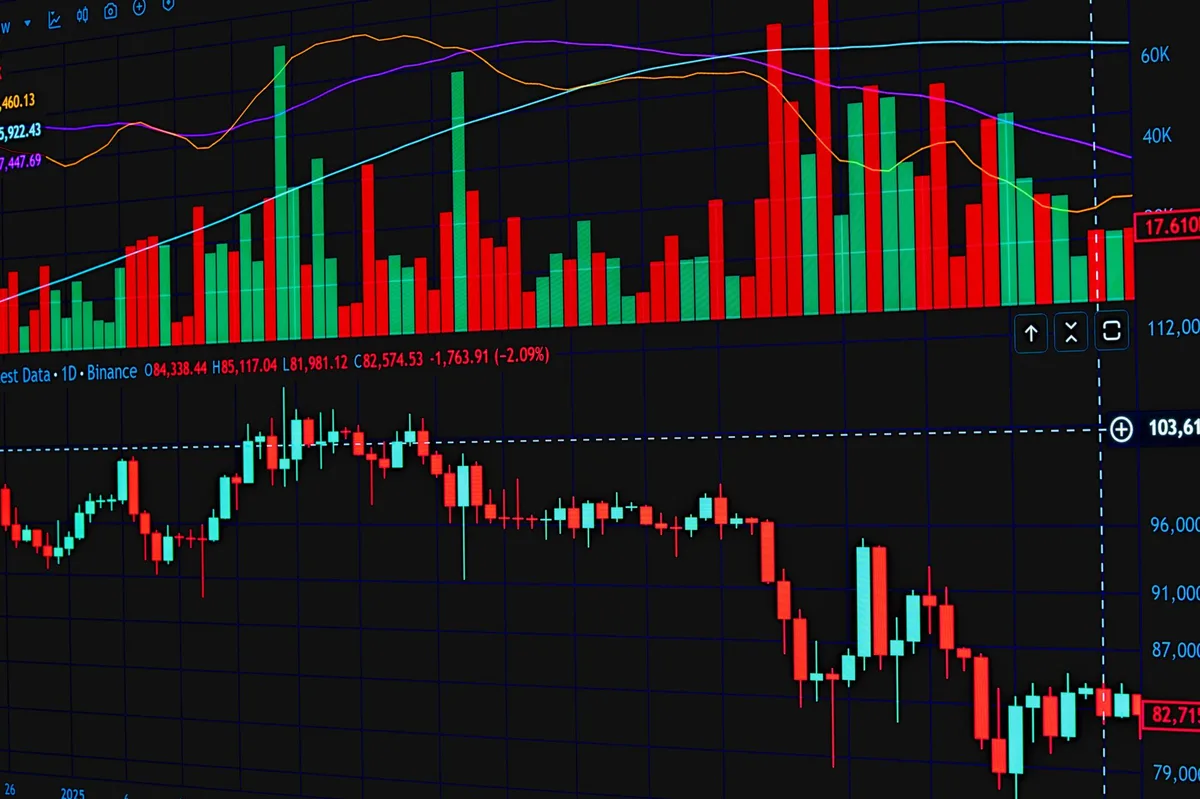
Pexels - AlphaTradeZone · original
In this article
Two major UK lenders have increased mortgage rates just days before the Bank of England announces its latest interest rate decision on Thursday. The moves reflect lender caution about potential base rate changes and rising funding costs. If you are shopping for a mortgage or approaching the end of your current deal, these rate hikes mean you may face higher monthly repayments than deals available last week.
Which Lenders Raised Rates
Two high-street lenders withdrew existing fixed-rate products and relaunched them at higher rates this week. The increases primarily affected two-year and five-year fixed-rate mortgages across a range of loan-to-value (LTV) bands, with rate rises between 0.10 percentage points and 0.25 percentage points depending on the product. Both purchase mortgages and remortgage deals were affected.
Tracker mortgages, which move directly with the Bank of England base rate, were not changed by these lenders because their pricing already adjusts automatically when the base rate moves. According to the Bank of England, the base rate directly influences tracker products, while fixed-rate pricing reflects lenders’ expectations of future rate movements and their cost of funding those loans over the deal period.
Why Lenders Are Raising Rates Now
Lenders set fixed-rate mortgage pricing based on their funding costs in the wholesale money markets, not the Bank of England base rate itself. Swap rates (the rates at which lenders can lock in their own borrowing costs) have risen in recent weeks, driven by market expectations that the base rate may remain higher for longer or could rise further. As explained in foundational finance texts such as Principles of Finance, interest rate expectations shape longer-term lending costs well before central banks act.
The Bank of England’s Monetary Policy Committee meets Thursday to decide whether to hold, cut, or raise the base rate. Markets had priced in the possibility of a cut earlier this year, but recent inflation data and wage growth figures have pushed expectations toward a hold or a potential future rise. Lenders are pricing this uncertainty into new fixed-rate deals now, rather than risk offering rates they cannot profitably honour if funding costs continue to climb.
Read also: Bank of England September Rate Decision: What It Means for UK Mortgage Holders
What This Means for You
If you are comparing mortgage offers right now, the rate you see today may not be available tomorrow. Lenders can withdraw and reprice products at any time without notice, and rate rises often happen in clusters when multiple lenders respond to the same market signals. According to MoneyHelper, if you have an agreement in principle (AIP) but have not yet submitted a full mortgage application, the AIP does not guarantee the rate, you must apply formally and have the offer issued to lock it in.
If your current fixed-rate deal is ending soon and you revert to your lender’s standard variable rate (SVR), your monthly payment could jump significantly. SVRs are typically much higher than new fixed deals, even after this week’s rate rises. Check your mortgage statement or contact your lender to find out your reversion date, and speak to an FCA-authorised mortgage adviser at least three to six months before your deal ends to compare remortgage options.
What to Do Next
Compare current fixed-rate deals from multiple lenders through an FCA-authorised mortgage broker or comparison site. If you find a competitive rate, move quickly: many brokers can reserve a rate for a short period while you gather documents, but you must submit the application to secure it. If you are a first-time buyer or remortgaging, check your affordability and credit file first so your application is not delayed.
Your home may be repossessed if you do not keep up repayments on your mortgage. This article provides general educational information about UK mortgage rate movements and is not regulated mortgage advice or personalised financial or lending advice. Refisage is not authorised by the Financial Conduct Authority (FCA). Mortgage rates, deals, and eligibility vary by lender, product, and your individual circumstances. Rates mentioned reflect the market as of October 2026 and change frequently. Speak to an FCA-authorised mortgage adviser before making any borrowing or remortgaging decision to ensure the product fits your personal situation.
Sources
- Bank of England (accessed )
- Remortgaging - MoneyHelper (accessed )
- Mortgages - MoneySavingExpert (accessed )
- Principles of Finance (accessed )
Related articles
Bank of England September Rate Decision: What It Means for UK Mortgage Holders
Bank of England September 2026 MPC rate decision explained: what it means for UK mortgage holders, remortgaging, and homebuyer affordability.
Mortgage and Remortgage Interest Rates Today in the UK: Rates Falling Again
UK mortgage rates have dropped again today, with lenders cutting fixed-rate deals. Find out what this means for buyers and those remortgaging.

Mortgage Interest Rates Today: Fixed Rates Edge Lower as Tracker Mortgages Remain Volatile
Fixed-rate mortgages edge lower while tracker products stay volatile. Discover what today's rate movements mean for UK buyers and remortgagers.
