15-Year Versus 30-Year Mortgage: Which Saves More Money Over Time in the US
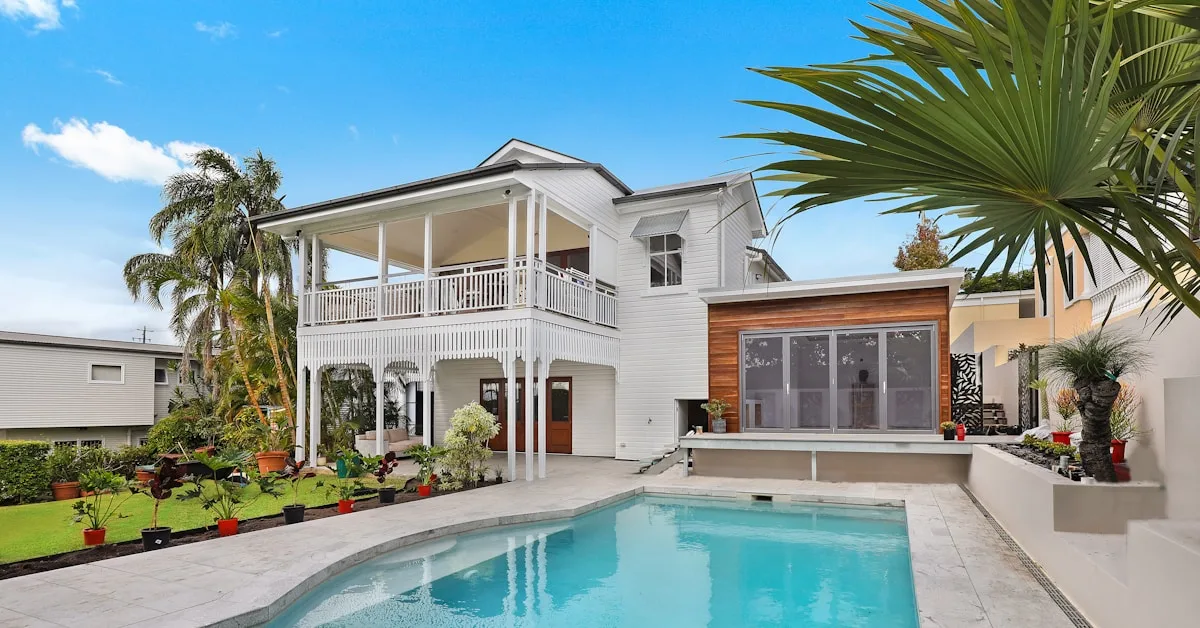
A comparison of 15-year and 30-year mortgages, showing how term length affects total interest paid and monthly payments.

Pexels - RDNE Stock project · original
In this article
Key Takeaway
A 15-year mortgage saves tens of thousands of dollars in total interest compared to a 30-year mortgage, but requires significantly higher monthly payments. A 30-year mortgage offers lower monthly payments and greater cash-flow flexibility, but costs much more in interest over the life of the loan. The right choice depends on your income stability, budget, and financial goals.
Introduction
When you apply for a conventional mortgage in the United States, one of the most important decisions you will make is choosing the loan term. The two most common options are the 15-year fixed-rate mortgage and the 30-year fixed-rate mortgage. Both lock in your interest rate for the entire repayment period, but they differ dramatically in monthly payment size, total interest paid, and overall cost. Understanding these differences helps you pick the term that aligns with your financial situation and long-term goals.
What Are 15-Year and 30-Year Mortgages
A 15-year mortgage spreads your loan repayment across 180 monthly payments. A 30-year mortgage spreads the same loan amount across 360 monthly payments. Both are typically offered as fixed-rate loans, meaning your interest rate and principal-and-interest payment remain constant for the entire term. According to the Consumer Financial Protection Bureau, these fixed-rate structures are the most popular mortgage products in the US because they offer payment predictability (CFPB, 2026).
Lenders usually offer lower interest rates on 15-year mortgages because the shorter repayment period reduces their risk. As of August 2026, a 15-year fixed-rate mortgage might carry an interest rate 0.5 to 0.75 percentage points lower than a comparable 30-year loan, though rates change daily and vary by lender and borrower qualifications.
Why Mortgage Term Matters
The term you choose affects two critical variables: your monthly payment and the total amount of interest you pay over the life of the loan. A shorter term means higher monthly payments but far less interest. A longer term means lower monthly payments but significantly more interest. As covered in foundational finance texts such as Principles of Finance, the relationship between loan term, payment frequency, and total interest paid follows basic amortization principles: longer repayment periods mean more months of compounding interest.
Your choice also influences how quickly you build home equity. With a 15-year mortgage, a larger portion of each monthly payment goes toward principal from the start, so you own more of your home sooner. With a 30-year mortgage, early payments are weighted more heavily toward interest, and equity builds more slowly in the first decade.
How the Numbers Work
Consider a $300,000 conventional loan. For a 15-year mortgage at 5.5 percent annual interest, the monthly principal and interest payment is approximately $2,451. Over 15 years, you will pay about $141,000 in total interest. For the same $300,000 loan on a 30-year mortgage at 6.25 percent annual interest, the monthly payment drops to approximately $1,847, but over 30 years you will pay about $365,000 in total interest.
Read also: Pre-Approval vs Pre-Qualification: 7 Things Sellers Expect in the US
The difference in total interest is $224,000, meaning the 30-year mortgage costs more than twice as much in interest over its lifetime. However, the 30-year mortgage frees up about $604 per month compared to the 15-year option, which can be used for other financial goals, emergency savings, or necessary expenses. Fannie Mae research highlights that borrowers with variable income or limited savings often benefit from the lower payment flexibility of a 30-year term (Fannie Mae, 2026).
Trade-Offs to Consider
A 15-year mortgage is the better choice for saving money if you can afford the higher monthly payment. It is ideal for borrowers with stable, higher incomes, low debt-to-income ratios, and a goal to own their home outright before retirement. The forced savings of higher principal payments also protects you from market downturns by building equity faster.
A 30-year mortgage is the better choice for maximizing monthly cash flow. It suits first-time buyers, borrowers with other financial priorities such as student loans or retirement contributions, and households with irregular income. The lower payment also makes it easier to qualify for a larger loan amount if you need to buy in a higher-cost market. Freddie Mac data shows that 30-year mortgages remain the most common choice among US homebuyers, reflecting the widespread need for payment affordability (Freddie Mac, 2026).
Many borrowers use a hybrid approach: they take out a 30-year mortgage for the lower required payment, then make extra principal payments when their budget allows. This strategy preserves flexibility while still reducing total interest and shortening the effective loan term. However, not all borrowers have the discipline or surplus income to consistently make extra payments, so a 15-year mortgage can serve as a forced savings mechanism.
Conclusion
A 15-year mortgage saves substantially more money in total interest compared to a 30-year mortgage, but it requires a much higher monthly payment. The 30-year mortgage offers lower payments and greater financial flexibility, but costs far more over time. Your decision should reflect your income stability, current debt obligations, retirement timeline, and comfort with higher fixed expenses. Loan eligibility, available interest rates, and payment amounts vary by lender, credit score, down payment, and location. Verify current rates with a licensed mortgage lender and confirm your personal qualification details before choosing a term. This information is educational and general in nature; it is not personalized financial or lending advice. Consult a licensed loan officer or HUD-approved housing counselor to evaluate which mortgage term fits your specific financial situation.
Sources
- Consumer Tools - Mortgages (accessed )
- Research and Insights (accessed )
- Research (accessed )
- Principles of Finance (accessed )
Related articles

30-Year vs 15-Year Mortgage: Using a Comparison Calculator to Decide in the US
Compare 30-year and 15-year mortgages with a calculator. See how term length affects monthly payments and total interest on US home loans.

How to Get Your First Mortgage in the United States: A Step-by-Step Guide
Follow these five steps to get your first mortgage in the US: check credit, get pre-approved, choose a loan program, find a home, and close.
Second Home vs. Investment Property in the US: How Lenders and Taxes Differ
Buying a second home or investment property? Learn how lenders set different down payment, rate, and occupancy rules, and how the IRS treats each for taxes.
