EOFY Tax Checklist for Investment Property Owners in Australia Before Lodging
Before lodging your tax return, organise your investment property records, separate deductible interest from private borrowing, and check repairs, depreciation, refinancing costs and rental income. This checklist helps Australian property investors prepare cleaner records for their tax agent.

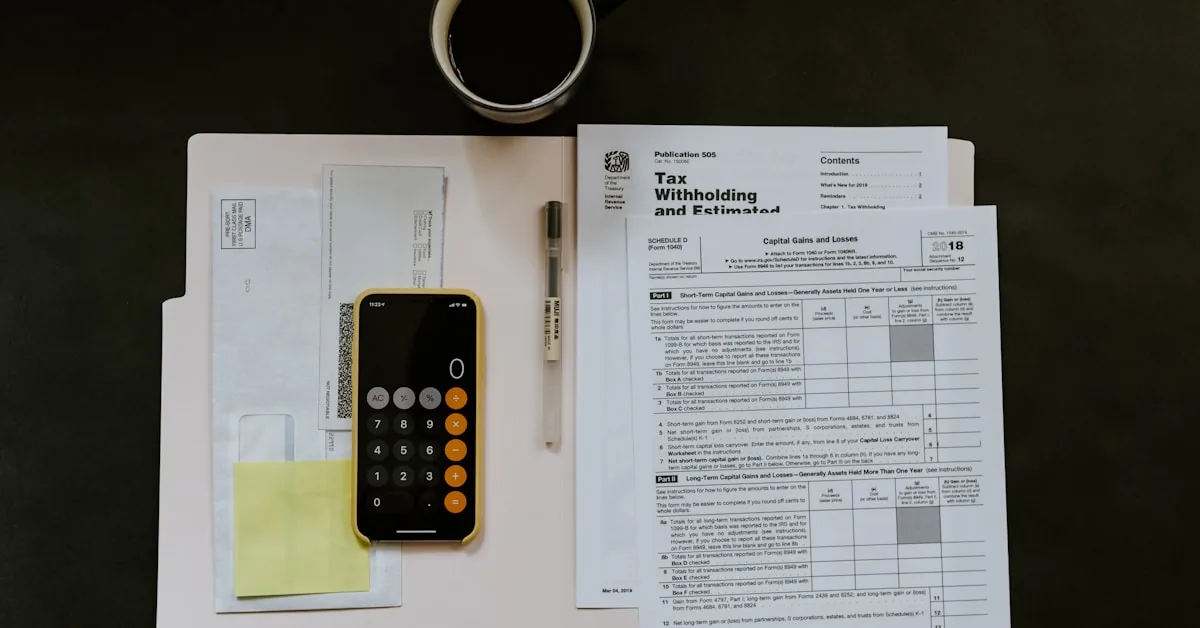
Pexels - Jakub Zerdzicki · original
In this article
The key EOFY task for an Australian investment property owner is to prove what each expense was for, when it was incurred, and whether it relates to earning rental income. Before lodging, reconcile your loan interest, rental income, repairs, property management fees, insurance, council rates, strata levies, refinancing costs and depreciation records. Be especially careful with redraw, top-ups and mixed-purpose loans, because the purpose of the borrowing can affect whether interest is deductible.
This checklist is general information only. Investment property tax can be highly fact-specific, so use it to organise your records before speaking with a registered tax agent, licensed lender or mortgage broker.
What to check before lodging
Use this EOFY checklist before lodging your return for the year ending 30 June 2026. It is designed for Australian residential investment property owners with a variable-rate, fixed-rate, split, interest-only or principal-and-interest home loan.
1. Confirm the property was rented or available for rent
Start with the basic question: was the property rented, or genuinely available for rent, during the income year?
The ATO explains that rental income and expenses need to be reported for residential rental properties (ATO, 2026). If the property was only available for part of the year, used privately, or rented to family or friends below market rent, ask your tax agent whether expenses need to be apportioned.
Collect:
- Lease agreements
- Property manager statements
- Advertising records
- Vacancy dates
- Evidence of market rent
- Notes on any private use
This matters because a property that is not genuinely available for rent may not support the same expense claims as a property that is actively rented or listed at market terms.
2. Reconcile rental income against statements
Do not rely only on bank deposits. Property managers often deduct fees, maintenance, water charges or advertising costs before transferring net rent to you.
Before lodging, download the annual owner statement from your property manager and compare it with:
- Bank deposits
- Rental bond adjustments
- Insurance payouts
- Reimbursements from tenants
- Short-stay platform statements, if relevant
Your return should reflect gross rental income and separately record deductible expenses where applicable. If your property changed managers during the year, gather statements from both agencies.
3. Separate loan interest from principal repayments
For tax preparation, the interest component of the loan is usually the figure your tax agent needs to analyse, not the total repayment.
Ask your lender for an annual interest summary for the investment loan. If you have a principal-and-interest loan, the total monthly repayment includes both principal and interest. If you have an interest-only loan, the payment may be simpler to review, but fees and offset arrangements can still affect the cash flow picture.
ASIC MoneySmart explains that home loans can include different repayment types, rates and features, including fixed rates, variable rates and offset accounts (MoneySmart, 2026). For tax purposes, your accountant will usually focus on what the borrowed money was used for, not just the name of the loan.
Practical tip: save the lender’s annual interest certificate, loan statements from 1 July to 30 June, and settlement documents if the property was bought, sold or refinanced during the year.
4. Review redraws, top-ups and mixed-purpose borrowing
This is one of the highest-risk areas for property investors.
If you redraw from an investment loan or top up the loan, the deductibility of interest generally depends on the purpose of the new borrowing. For example, redraw used for investment property repairs may be treated differently from redraw used for a holiday, car or personal spending.
Do this before lodging:
- List every redraw, top-up or loan increase during the year
- Record the amount, date and purpose
- Match each drawdown to invoices or bank transfers
- Tell your tax agent if any funds were used privately
- Avoid assuming the whole loan interest remains deductible after a private redraw
Offset accounts are different from redraw facilities in practical terms. Money sitting in an offset account can reduce interest charged while keeping cash separate from the loan balance. Redraw involves taking money back out of the loan. The distinction can matter, so get personal tax advice before restructuring investment debt.
5. Check refinancing costs and break costs
If you refinanced, switched lenders or split a loan during the year, gather the full paper trail.
Documents to collect:
- Discharge statement from the old lender
- New loan contract
- Settlement statement
- Mortgage registration and discharge fees
- Valuation fee
- Application or package fee
- Broker documents
- Fixed-rate break cost statement, if applicable
- Cashback offer records, if received
A fixed-rate investment loan can have break costs if you repay or refinance before the fixed period ends. The tax treatment of borrowing expenses can vary by type and timing, so do not simply claim every refinancing cost in full without advice.
Also check whether the refinance changed the purpose or structure of the debt. Rolling a private credit card, owner-occupied debt or car loan into an investment property loan can create mixed-purpose borrowing. That can make interest calculations more complex.
6. Compare rates properly before making EOFY loan decisions
Some investors consider refinancing near EOFY to improve cash flow, access equity or move from interest-only to principal-and-interest repayments. The tax year-end is not a reason by itself to refinance, but it can be a useful time to review the loan.
When comparing loans, look beyond the advertised interest rate. In Australian home loan advertising, the comparison rate is designed to include most fees and charges so borrowers can compare loans more consistently. Rates, repayments and comparison rates are current only when advertised, as of June 2026; rates change frequently, so verify current terms with a licensed lender or mortgage broker before deciding.
The RBA publishes the cash rate target, which is one benchmark that can influence funding costs and variable home loan pricing over time (RBA, 2026). Your actual loan rate still depends on lender policy, loan-to-value ratio, repayment type, security, credit assessment and product features. Finder also maintains consumer information on home loan comparison and loan features (Finder, 2026).
7. Gather records for repairs, maintenance and capital works
Repairs and capital improvements are not the same thing. This distinction can affect whether an amount is claimed immediately, depreciated, or treated as capital works over time.
Before lodging, sort invoices into practical categories:
- Repairs after tenant damage or normal wear
- Maintenance such as servicing, gardening or cleaning
- Replacements of assets such as appliances, blinds or carpets
- Renovations, extensions or structural improvements
- Initial repairs needed when the property was first bought
Add notes explaining what happened. For example, “replaced broken window after tenant damage in March 2026” is more useful than a vague invoice called “property works”.
If the property was newly purchased and you repaired defects that existed at purchase, ask your tax agent whether those costs are treated differently from repairs caused while earning rent.
8. Check depreciation and quantity surveyor records
If you have a depreciation schedule, give your tax agent the latest version. If you renovated, replaced assets or bought a property during the year, ask whether the schedule needs updating.
Potential records include:
Read also: EOFY Tax Planning for Property Investors Before June 30
- Quantity surveyor report
- Appliance purchase invoices
- Building works contracts
- Settlement date
- Date the property was first available for rent
- Disposal details for replaced assets
Depreciation rules can be technical, especially for second-hand residential property assets and capital works. Do not guess asset values or useful lives. A qualified quantity surveyor or tax agent can help determine what belongs in the schedule.
9. Include ownership split and loan structure details
If the property is owned jointly, your tax agent needs the ownership percentage and the legal ownership structure. The loan split does not always match the tax ownership split.
Prepare:
- Title ownership details
- Loan account names
- Trust or company documents, if applicable
- Partnership or co-owner records
- Settlement statement showing buyer names
If you own the property with a spouse, relative or business partner, avoid assuming you can split income and deductions however you prefer. Ask your tax agent how the legal ownership and borrowing arrangements should be reflected.
10. Check state-based costs, land tax and council charges
Investment property costs vary by state and territory. Stamp duty, land tax, foreign owner surcharges, vacant residential land rules and grants differ across Australia.
For EOFY, gather:
- Council rates notices
- Water rates
- Strata levies
- Land tax assessments
- Emergency services levies, where applicable
- State revenue office correspondence
Stamp duty is usually part of the acquisition cost rather than an ordinary annual deduction, but treatment depends on the type of cost and the property circumstances. Do not treat purchase costs, selling costs and annual holding costs as interchangeable.
11. Review insurance, strata and property management fees
Most investment property owners have several recurring costs that are easy to miss if they are paid from different accounts.
Check for:
- Landlord insurance
- Building insurance
- Contents insurance for furnished rentals
- Strata administration levies
- Strata special levies
- Property management fees
- Letting fees
- Advertising fees
- Tribunal fees
For strata special levies, ask what the levy funded. A special levy for routine maintenance may be treated differently from one funding capital works.
12. Prepare evidence for periods of vacancy or renovation
Vacancy is common, but the records matter. If the property was empty while being advertised for rent, keep evidence showing it was genuinely available.
Useful evidence includes:
- Online listing screenshots
- Agent emails
- Open inspection records
- Market rent appraisals
- Renovation timeline
- Photos of completed works
- Tenant application records
If the property was unavailable because of major renovations, personal use or a decision to sell, your tax agent may need to apportion expenses.
Practical tips for a cleaner tax appointment
Create one folder for the property and name files clearly. Use labels such as “loan-interest-summary-2026”, “property-manager-annual-statement-2026” and “council-rates-2026”. If you own multiple properties, keep each property separate.
Give your tax agent a short summary with:
- Property address
- Ownership percentage
- Dates rented and vacant
- Loan account numbers
- Redraws and top-ups
- Refinancing dates
- Major repairs or renovations
- Insurance claims
- Sale or purchase dates, if relevant
This saves time and reduces the chance of errors.
Common mistakes to avoid
Do not claim the full mortgage repayment as interest. Principal repayments are not the same as interest.
Do not ignore private redraws. A single private redraw from an investment loan can complicate the interest calculation.
Do not treat every renovation as an immediate repair. Improvements, replacements and capital works may need different treatment.
Do not forget income that never reached your bank account. Property manager deductions, insurance payouts and tenant reimbursements still need review.
Do not refinance only for a tax outcome. Refinancing can involve application fees, valuation costs, discharge fees, break costs and a new serviceability assessment. Compare the total cost, the comparison rate and the loan features.
Do not lodge without checking state-based charges. Land tax and other property costs differ by state and territory.
Frequently asked questions
Can I claim investment loan interest in Australia?
You may be able to claim interest where the borrowed money is used to earn rental income, but the details matter. The purpose of the borrowing, any redraws, private use and the period the property was rented or available for rent can all affect the claim. Ask a registered tax agent to review your loan statements.
Is an offset account better than redraw for an investment property?
It depends on your goals and circumstances. An offset account can reduce interest charged while keeping cash separate from the loan balance. Redraw can be useful, but using redraw for private expenses may complicate interest deductibility. Get personal tax and lending advice before changing the structure.
Should I refinance my investment loan before 30 June?
Only if the numbers make sense beyond tax timing. Compare the interest rate, comparison rate, fees, fixed-rate break costs, cashback conditions, loan features and your longer-term plans. As of June 2026, rates change frequently, so verify current terms with a licensed lender or mortgage broker before deciding.
What records should I keep for the ATO?
Keep records that show income, expenses, loan interest, ownership, rental availability and the purpose of borrowing. This includes statements, invoices, receipts, contracts, settlement documents, property manager statements and notes explaining unusual transactions.
Do I need a tax agent for an investment property?
You can lodge yourself, but investment property records can be complex, especially with redraw, refinancing, renovations, multiple owners or short-stay rental income. A registered tax agent can help apply the rules to your circumstances.
Conclusion
Before lodging for the 30 June EOFY, focus on evidence. Match every rental property claim to a document, a date and a purpose. Pay close attention to loan interest, redraw, refinancing, repairs, depreciation and rental availability, because these are the areas where small record gaps can create large tax problems.
General advice warning: this article provides general information only and does not consider your objectives, financial situation or needs. It is not personalised financial, lending, tax or legal advice. Consider obtaining advice from a registered tax agent, licensed mortgage broker, licensed lender, qualified tax professional or legal adviser before acting. Eligibility, limits, fees, LMI, tax treatment and loan availability vary by lender, product and personal circumstances. Stamp duty, land tax, grants and concessions differ by state and territory.
Sources
- Residential rental properties (accessed )
- Home loans (accessed )
- Cash Rate Target (accessed )
- Home Loans (accessed )
Related articles
EOFY Tax Planning for Property Investors Before June 30
Essential EOFY tax planning guide for Australian property investors. Maximise deductions, verify records, and prepare for lodgement before June 30.

Using Your Property Equity to Invest or Renovate in Australia
Discover how to access your Australian property equity through redraw, refinancing, or lines of credit to fund investments or renovations.

Mid-Year Investment Property Performance Review in Australia
Use this mid-year investment property review checklist for Australian landlords to assess rent, cash flow, loan costs, tax records and equity.
