EOFY Tax Planning for Property Investors Before June 30
Learn how to maximise your deductions and prepare accurate records before lodging your investment property tax return at end of financial year.
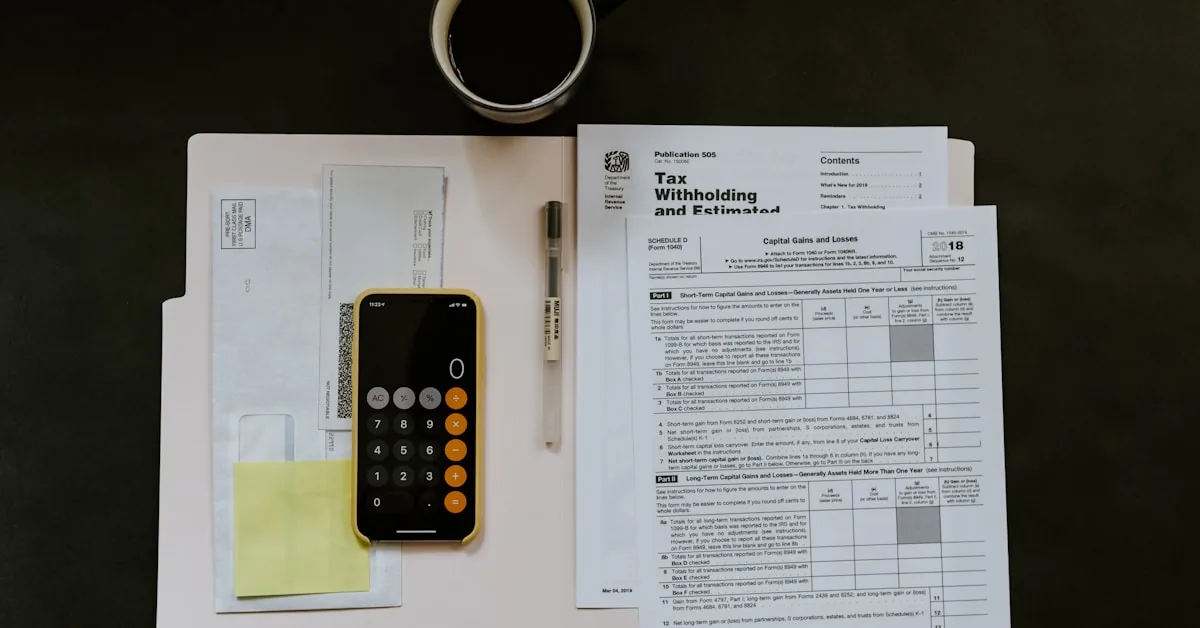
Pexels - Artful Homes · original
In this article
The end of financial year (EOFY) deadline of June 30 marks the close of the Australian tax year and the final opportunity to maximise deductions, verify records, and position your investment property tax affairs correctly before lodging your return.
Property investors who hold residential rental properties face specific tax obligations and opportunities that require action before the deadline passes. Whether you negatively gear your loan, claim depreciation, or manage multiple properties, completing this tax planning process ensures you capture every eligible deduction, maintain compliant records, and avoid costly errors when your tax agent or accountant prepares your return.
According to the Australian Taxation Office, rental property owners must declare all rental income and can only claim deductions for expenses directly related to earning that income (ATO, 2026). The steps below help you meet that standard before June 30.
What You Will Learn
By following this guide, you will learn how to verify your rental income records, identify all eligible deductions (including loan interest, property management fees, repairs, and depreciation), prepare receipts and documentation for your tax agent, consider prepayment strategies where appropriate, and confirm your records match ATO requirements for lodgement.
This guide does not constitute personal tax advice. Tax treatment varies by your individual circumstances, property type, and loan structure. Consult a registered tax agent or qualified accountant for advice specific to your situation before making any decisions or lodging your return.
1. Reconcile All Rental Income Received During the Financial Year
Gather bank statements, property management reports, and tenant payment records for the full period from July 1, 2025, to June 30, 2026. Verify that every rental payment, bond refund (if applicable), and any insurance payout for lost rent is recorded. Your declared rental income must match the amounts that actually reached your account during the financial year, not the amounts invoiced or due.
If you manage the property yourself, cross-check tenant receipts against deposits. If you use a property manager, request a full financial year statement showing all rent collected and any deductions the manager took for their fees or maintenance. Discrepancies between your records and the manager’s statement must be resolved before lodgement, as the ATO matches rental income data across multiple sources.
2. Verify Loan Interest and Calculate the Deductible Portion
Request an annual loan statement from your lender showing the total interest charged on your investment property loan for the financial year. If you have an offset account or redraw facility linked to the loan, confirm that the funds in the offset or withdrawn via redraw have been used solely for investment purposes. Only the interest on borrowings used to purchase, renovate, or maintain the rental property is deductible.
If you refinanced during the year, or if you split your loan between investment and private purposes, calculate the proportion of interest attributable to the rental property. According to ASIC MoneySmart, investors should keep clear records of how loan funds are used, as mixed-purpose loans require apportionment and the ATO scrutinises claims where private and investment borrowings are combined (MoneySmart, 2026).
If you paid lenders mortgage insurance (LMI) when you purchased or refinanced the property, check whether you are claiming it over five years or in a single year (the method you chose when you first claimed it must continue consistently). Verify that your records support the deduction method you are using.
3. Identify and Substantiate All Ongoing Property Expenses
List every expense directly related to earning rental income during the financial year. Eligible deductions typically include property management fees, landlord insurance, council rates, water charges (if not recovered from the tenant), strata levies, land tax, repairs and maintenance, advertising for tenants, and travel to inspect the property (subject to ATO limitations). Each expense requires a receipt, invoice, or bank statement as evidence.
Distinguish between repairs (immediately deductible) and capital improvements (claimed as depreciation over time). A repair restores the property to its previous condition (fixing a broken tap, repainting a damaged wall), while a capital improvement adds value or functionality (installing a new kitchen, adding a deck). The ATO publishes detailed guidance on this distinction, and misclassification is a common audit trigger.
If you travelled to the property for inspections, maintenance, or to meet tradespeople, keep a logbook showing the date, purpose, and kilometres travelled. The ATO allows deductions for travel to inspect or maintain a rental property, but not for travel to select or purchase the property initially. Claims without supporting records are typically disallowed during review.
4. Obtain or Update Your Depreciation Schedule
If you purchased the property recently or have not yet claimed depreciation, engage a qualified quantity surveyor to prepare a depreciation schedule before June 30. The schedule identifies the depreciable value of the building (capital works deduction, claimable at 2.5 per cent per year for properties built after September 15, 1987) and plant and equipment items (hot water system, ovens, blinds, carpet, air conditioning), which depreciate at varying rates.
According to the ATO, you can only claim plant and equipment depreciation on items you purchased new (for properties acquired after May 9, 2017). Second-hand assets purchased with the property are no longer deductible, but capital works deductions for the building structure still apply regardless of when you bought the property (ATO, 2026).
If you already have a depreciation schedule from a prior year, verify that the current year’s claim is recorded correctly. Depreciation is not automatic; you must claim it each year, and failing to claim it in one year does not allow you to catch it up later. The deduction is use-it-or-lose-it for each financial year.
5. Review Prepayment and Timing Strategies With Your Adviser
If you are considering prepaying 12 months of loan interest, landlord insurance, or property management fees before June 30, consult your tax agent first. The ATO allows immediate deduction of prepaid expenses covering up to 12 months, provided the service period begins before June 30 and the payment is made by that date. Prepayment can bring forward deductions and reduce your taxable income for the current year, but it must be structured correctly and you must have the cash flow to make the payment before the deadline.
Prepayment strategies are most effective for negatively geared investors in higher tax brackets who will benefit from the immediate deduction. Consider the trade-off between the tax saving now and the reduced deduction in the following financial year. Your tax agent can model the impact based on your marginal rate and overall tax position.
Do not prepay expenses simply to inflate deductions if the strategy does not align with your cash flow or long-term tax plan. The ATO reviews large or unusual prepayment claims, particularly if the pattern changes year to year without clear commercial reason.
6. Confirm Apportionment for Periods of Private Use or Vacancy
If the property was vacant, undergoing renovation, or used privately for any part of the financial year, apportion your deductions to reflect only the period the property was genuinely available for rent or tenanted. The ATO does not allow deductions for expenses incurred while the property was not genuinely available to produce income.
For example, if the property was tenanted for nine months and vacant for three months while you decided whether to sell, you can generally claim deductions for the nine-month tenanted period plus a reasonable vacancy period where you actively advertised for tenants. Extended vacancy without genuine efforts to rent, or private use by you or family members, disqualifies deductions for that period.
Keep evidence of advertising, property manager communications, and any correspondence showing your intention to rent the property during vacancy periods. The ATO expects contemporaneous records, not reconstructed explanations during an audit.
7. Organise All Receipts, Statements, and Supporting Documents
Collate every receipt, invoice, bank statement, loan statement, property management report, insurance policy document, and depreciation schedule into a single folder (physical or digital). Your tax agent will request these documents, and lodging without complete substantiation delays the process or results in disallowed claims.
The ATO requires you to keep records for five years from the date you lodge your return. Digital records are acceptable provided they are clear and complete. If you use accounting software or a property management platform, export a full financial year report showing all income and expenses with supporting transaction details.
Missing receipts for small expenses (under A$300 in total per year) may be claimed without written evidence if you can demonstrate the expense was genuinely incurred, but this is a limited exception and does not apply to large or recurring costs. For any significant expense, lack of a receipt typically means the deduction is lost.
8. Engage Your Tax Agent or Accountant Before the Deadline
If you have not yet booked an appointment with your registered tax agent or accountant, do so immediately. Tax agents manage heavy lodgement volumes in June and July, and last-minute bookings may result in delays or errors due to rushed preparation. Provide your organised documents and a summary of any unusual transactions (refinancing, major repairs, property sale or purchase, change in tenancy status) when you meet.
Your tax agent will prepare your return, apply the correct apportionment, claim depreciation and all eligible deductions, and lodge electronically with the ATO. If you lodge yourself using myTax, you are responsible for calculating every deduction correctly, and errors can trigger ATO review or amendment. Most property investors benefit from professional preparation given the complexity of rental property tax rules.
Discuss any significant transactions planned for the new financial year (selling the property, refinancing, renovating) with your agent now, so you can structure them tax-effectively from the outset. Tax planning is more effective when done before transactions occur, not after.
Common Mistakes to Avoid
Do not claim private expenses (your own home loan interest, private travel, or personal insurance) as rental property deductions. The ATO data-matches loan and interest records, and mismatched claims are a common audit focus. Do not claim capital improvements (renovations, extensions, new assets) as immediate repairs; they must be depreciated over time. Do not estimate or round up expenses without receipts; substantiation is mandatory for all claims. And do not lodge without reconciling your rental income to your bank statements; under-declared income is detected through third-party reporting and triggers penalties.
Frequently Asked Questions
Can I claim the full cost of a new hot water system installed in May?
No. A new hot water system is a capital asset, not a repair, and must be claimed as plant and equipment depreciation over its effective life (typically depreciated at a declining rate over several years). Only the cost of repairing an existing system is immediately deductible. Your depreciation schedule, prepared by a quantity surveyor, will include the new asset and calculate the annual deduction.
What if I forgot to claim depreciation in previous years?
You cannot go back and claim missed depreciation for prior years after you have lodged those returns. Depreciation is an annual deduction; if you do not claim it in a given year, that year’s deduction is lost. However, the unclaimed depreciation does reduce your cost base for capital gains tax purposes when you eventually sell, so the benefit is deferred, not entirely lost. Engage a tax agent to amend recent returns if they are still within the amendment period (generally two years for individuals) and the unclaimed amount is material.
Do I need to declare rent if the tenant paid into my offset account?
Yes. Rental income is assessable regardless of which account it is paid into. If rent is paid into your offset account, it is still income and must be declared. The benefit you receive from reduced loan interest (because the offset account lowers your loan balance for interest calculation purposes) is a separate matter and does not change the income treatment.
Can I claim a deduction for my time managing the property?
No. The ATO does not allow a deduction for your own time or labour. You can claim the cost of hiring a property manager, a gardener, a cleaner, or any other service provider, but not the value of work you do yourself. If you travel to the property to carry out work, you can claim travel costs (fuel, tolls) but not an hourly rate for your time.
Conclusion
Following this tax planning process before June 30 ensures your investment property tax position is accurate, compliant, and optimised within the rules. Rental property deductions are significant, and the ATO actively audits this area, so thorough preparation and professional advice are essential.
If you have not yet organised your records or engaged a tax agent, prioritise those actions immediately. The deadline is fixed, and late action limits your ability to implement prepayment strategies or resolve discrepancies before lodgement. Consult a registered tax agent or qualified accountant for advice tailored to your individual tax situation, property portfolio, and financial goals.
General Advice Warning
The information in this article is general in nature only and does not consider your objectives, financial situation, or needs. It is not personalised financial, lending, tax, or legal advice. Property investment tax treatment varies by individual circumstances, property type, loan structure, and changes in tax law. You should consider obtaining personal advice from a registered tax agent, qualified accountant, or licensed financial adviser before making decisions or lodging your tax return. Rental income, deductions, depreciation, and eligibility rules are set by the Australian Taxation Office and can change. This article reflects tax rules and guidance current as of June 2026; verify current requirements with the ATO or your tax adviser before acting.
Sources
- Residential rental properties (accessed )
- Investment property loans (accessed )
- Home loans comparison and guides (accessed )
Related articles

EOFY Tax Checklist for Investment Property Owners in Australia Before Lodging
EOFY tax checklist for Australian investment property owners before lodging, covering loan interest, records and deductions.

October 31 Tax Deadline in Australia: What Investment Property Owners Must Do
Understand the October 31 tax deadline for investment property owners in Australia. Learn what to declare, claim, and lodge to avoid penalties.

Investment Property Loans in Australia: How to Qualify and What to Compare
Compare investment property loan types, qualification criteria, and features in Australia. Learn LVR requirements, serviceability tests, and what to compare.
