Property Tax Deductions Before October 31 in Australia: Your EOFY Checklist
If you own an investment property, the October 31 deadline for lodging your tax return is the final date to claim rental deductions for the financial year. Make sure you have gathered all expense records and understand what you can and cannot claim.

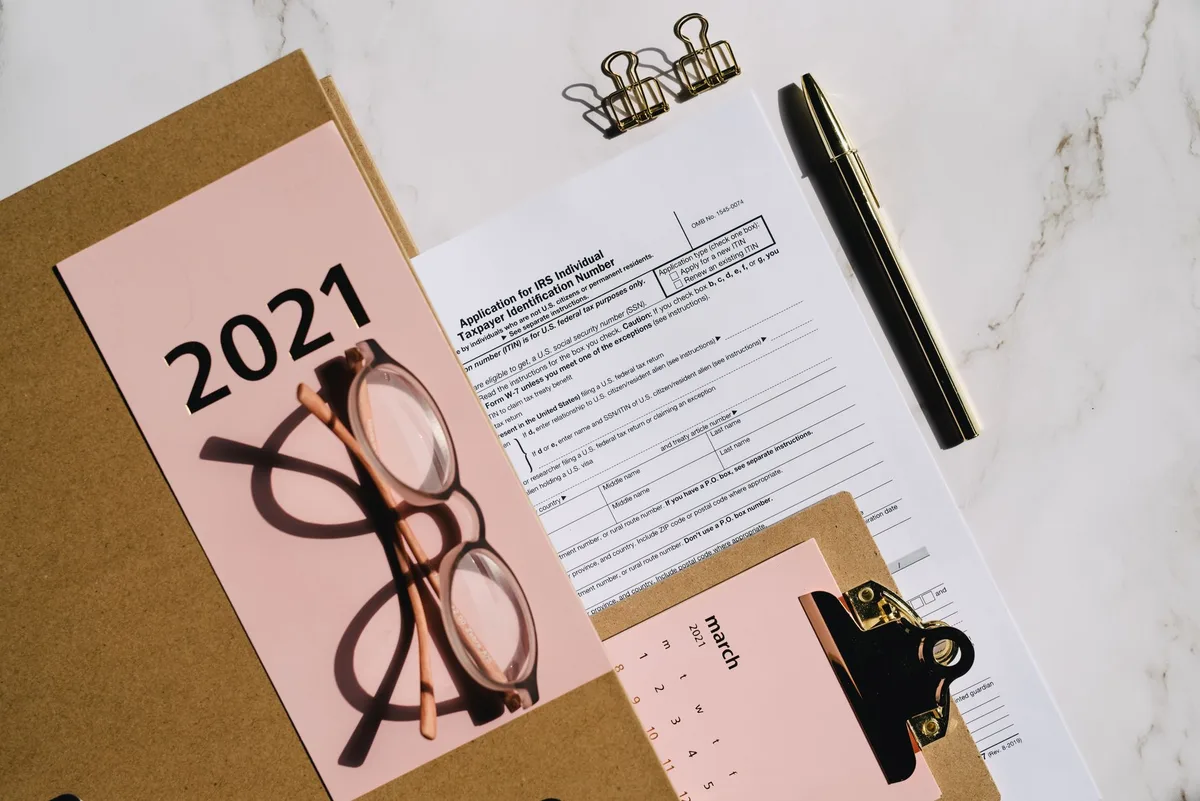
Unsplash - Kelly Sikkema · original
In this article
If you own a rental property in Australia, October 31 is your deadline to lodge your individual tax return and claim deductions for the 2025-26 financial year (which ended June 30, 2026). Missing records, unclear expense categories, or forgetting key deductions can cost you hundreds or thousands of dollars in unclaimed tax relief. This checklist walks you through the essential steps to finalise your property tax claim before the deadline.
What You Need to Know Before You Start
The Australian Taxation Office (ATO) lets you deduct most expenses directly related to earning rental income from an investment property. You cannot claim expenses for a property you live in, except for a genuine home office or if you rent out part of your principal residence. According to the ATO, rental deductions must be apportioned if the property was vacant, used privately, or only partly rented during the year (ATO, 2026).
The October 31 deadline applies if you lodge your own return. If you use a registered tax agent, your deadline may be extended (usually to March or May the following year), but you still need to provide your records by the date your agent requests them.
Your Pre-Deadline Checklist
1. Gather All Rental Income Records
Collect bank statements showing every rent payment you received between July 1, 2025 and June 30, 2026. Include bond money held (not yet released), advance rent, and any insurance payouts for lost rent. The ATO matches rental income to your bank accounts and property manager statements, so declare the full amount.
2. Compile Loan Interest Statements
Request an annual interest statement from your lender for any loan used to purchase or improve the investment property. You can deduct the interest portion of your repayments, not the principal. If you refinanced, switched lenders, or took a top-up during the year, get statements for every loan product you held. Interest on loans used for private purposes (for example, redrawing equity to buy a car) is not deductible.
3. Collect Receipts for Property Expenses
Deductible expenses include council and water rates, strata levies (body corporate fees), landlord insurance, property management fees, repairs and maintenance, pest control, gardening, cleaning between tenants, and advertising for tenants. Keep invoices, receipts, and bank statements as proof. Repairs (fixing existing damage or wear) are deductible immediately, while improvements and renovations (adding value or functionality) must be claimed over multiple years as capital works.
4. Separate Repairs from Capital Improvements
A repair restores something to its previous condition (fixing a broken tap, repainting a damaged wall, replacing worn carpet with similar quality). An improvement adds value or replaces an entire structure (renovating a kitchen, adding a deck, replacing a roof before it fails). Repairs are deductible in the year you incur them. Improvements must be depreciated over 25 or 40 years under the capital works provisions. If you are unsure, ask a registered tax agent or quantity surveyor before claiming.
5. Claim Depreciation on Building and Assets
If your property was built after September 15, 1987, you can claim depreciation on the building structure (capital works deduction, at 2.5 per cent per year for 40 years). You can also depreciate plant and equipment items such as ovens, air conditioners, blinds, carpets, and hot water systems. A quantity surveyor prepares a depreciation schedule (costing around A$500 to A$800) that lists every depreciable asset and its effective life. The schedule is valid for the life of your ownership; you only pay for it once and reuse it each year. Note that since May 2017, properties purchased as established dwellings (second-hand) can only claim depreciation on plant and equipment assets you purchased new yourself after settlement, not assets that came with the property.
Read also: Property Tax Deductions in Australia: Finalising Your Claim Before October 31
6. Apportion Expenses for Vacancy or Private Use
If the property was vacant and genuinely available for rent, you can still claim expenses for that period, but not if you used it privately (stayed there on holiday or let a relative live there rent-free). If you rented out a room in your own home, apportion expenses by floor area or number of rooms. For example, if you rent one room in a four-room house, you can claim roughly 25 per cent of the shared costs (rates, interest, insurance).
7. Check Your Records Against the ATO Checklist
The ATO publishes a rental properties guide and a deductions checklist at ato.gov.au. Cross-check your claim against their examples before lodging. Common mistakes include claiming private expenses (your own utility bills at the property before a tenant moved in), claiming the full cost of improvements as a repair, claiming depreciation on an established property purchased before 2017, or forgetting to declare rent received in cash or advance.
8. Lodge by October 31 or Appoint a Tax Agent
If you lodge online via myGov (linked to the ATO), you can submit your return any time up to October 31. If you miss the deadline, the ATO may charge a failure-to-lodge penalty (A$330 for individuals as of 2026). If you use a registered tax agent, they will request an automatic extension on your behalf, but you still need to provide your records promptly so they can prepare your return within their deadline.
What Happens After You Lodge
The ATO processes most returns within two weeks if lodged online. Refunds are paid directly to your nominated bank account. If you have claimed large or unusual deductions, the ATO may request further evidence (receipts, contracts, depreciation schedules). Keep all records for five years from the date you lodge.
Next Steps
Before October 31, gather your rental income statements, loan interest certificates, expense receipts, and depreciation schedule (if you have one). If the task feels overwhelming or your situation is complex (multiple properties, co-ownership, overseas rental income, or significant renovations), book a consultation with a registered tax agent by mid-October so they have time to review your records and lodge on your behalf before their extended deadline.
General Advice Warning
This article provides general information about property tax deductions in Australia and does not consider your personal financial situation, objectives, or needs. Tax rules are complex and change frequently. Eligibility for deductions depends on your specific circumstances, the property type, how it was used during the financial year, and how you financed it. You should confirm your entitlements with a registered tax agent or the ATO before lodging your return. This is not personalised tax, accounting, or legal advice.
Sources
- Residential rental properties and holiday homes (accessed )
- Home loans (accessed )
- Home loans comparison (accessed )
Related articles

October 31 Tax Deadline in Australia: What Investment Property Owners Must Do
Understand the October 31 tax deadline for investment property owners in Australia. Learn what to declare, claim, and lodge to avoid penalties.
Property Tax Deductions in Australia: Finalising Your Claim Before October 31
Finalise your rental property tax deductions before the October 31 deadline. Learn what you can claim and what records you need for your EOFY return.

EOFY Property Tax Deductions in Australia: Finalise Your Claim Before 31 October
EOFY checklist for Australian investment property tax deductions, including loan interest, repairs, records and the 31 October deadline.
