
Mortgage
Home Loan Comparison Rate Explained in Australia: Why the Headline Rate Is Not the Full Story
The comparison rate shows the true annual cost of a home loan by including most fees and charges, not just the advertised interest rate alone.
Author
Writes about Australian consumer home-loan topics: the First Home Owner Grant, state stamp-duty concessions, and the RBA cash-rate effect on variable loan repayments.
The comparison rate shows the true annual cost of a home loan by including most fees and charges, not just the advertised interest rate alone.

Learn how to secure finance and prepare for unconditional auction bids when buying property at auction in Australia, from pre-approval to settlement.

Learn the key differences between fixed and variable home loan rates in Australia and discover which option best suits your financial situation and risk tolerance.

Compare five strategies to avoid or reduce LMI costs when buying a home in Australia, from saving a larger deposit to using government schemes and professional exemptions.

Spring is Australia's busiest property season. A strategic pre-approval gives you a clear budget, competitive edge at auction, and the confidence to act quickly when the right home appears.

Spring is Australia's busiest property season. Learn how to position your mortgage approval to move fast and win in a competitive market.

Learn how Australian lenders use your debt-to-income ratio to assess home loan applications and discover practical steps to improve your borrowing capacity.

Compare self-managed super fund property loans, traditional home loans, and other investment options to decide the right path for your property investment strategy.

A split home loan lets you divide your borrowing between fixed and variable rates, balancing repayment certainty with offset flexibility.

Compare SMSF limited recourse borrowing against standard home loans to understand which structure suits your investment property strategy.

Debt recycling is a tax strategy that converts non-deductible home loan debt into tax-deductible investment debt by using your home equity to invest in income-producing assets.

Discharge fees and settlement timing can add hundreds of dollars and weeks to your refinancing process when switching lenders in Australia.

LMI protects lenders when you borrow more than 80 per cent of a property's value. Learn how it works, what it costs, and practical strategies to avoid or reduce this one-time premium.

Compare the three main construction loan types in Australia, understand how progress payments work, and find the right option for your building project.

Stamp duty is one of the largest upfront costs when buying property in Australia, and the amount varies significantly by state and territory. Use our calculator to estimate your stamp duty cost based on your location, property price, and buyer status.

Understand how stamp duty concessions work across Australian states and territories, and use our calculator to estimate your potential savings as a first home buyer.

Variable rate home loans adjust when lenders change their rates, directly affecting your monthly repayment. Learn how to calculate your new repayment amount and plan ahead for rate movements.

Compare offset accounts and redraw facilities to decide which Australian home loan feature saves you more on interest and gives you the flexibility you need.

Discover how green home loans reward borrowers who buy or renovate energy-efficient properties with lower rates, discounts, and stacking government incentives across Australia.

Understanding how Reserve Bank of Australia rate decisions affect your choice between fixing your home loan rate or staying variable.

Understand what Australian lenders assess during pre-approval, the documents you need, and how long conditional approval remains valid before you buy.

If you own an investment property, the October 31 deadline for lodging your tax return is the final date to claim rental deductions for the financial year. Make sure you have gathered all expense records and understand what you can and cannot claim.

Winter can be a strategic time to refinance your Australian home loan, but timing depends on your current loan type, the rate environment, and whether you are locked into a fixed term.

Learn how offset accounts reduce home loan interest, how to set one up, and strategies to maximise your savings on Australian variable-rate mortgages.

A step-by-step guide to refinancing your home loan in Australia, covering when to switch, how to compare offers, and what to expect during the application and settlement process.

The Reserve Bank of Australia raised the cash rate by 0.25 percentage points in February 2026, directly affecting variable-rate home loan repayments for Australian borrowers.

Rising interest rates are forcing Australian mortgage holders to rethink their home purchases as monthly repayments climb beyond what many households can comfortably afford.

Putting your tax refund into an offset account can reduce the interest charged on your Australian home loan while keeping the money accessible. The right move depends on your loan type, cash buffer, other debts, and whether the offset account is linked correctly.

Despite the RBA holding the cash rate steady, 65,000 Australian homeowners have fallen into mortgage stress, highlighting ongoing affordability challenges even without further rate rises.

The RBA has no Monetary Policy Board rate decision scheduled for July 2026. Australian home loan borrowers can use the month to review repayments, comparison rates and refinance options before August.

Investment property deductions can reduce taxable rental income, but only if the expense is allowable and properly documented. Use this checklist to review loan interest, repairs, agent fees, depreciation and records before the 31 October self-lodgment deadline.

The Reserve Bank held the cash rate steady in June 2026. Here is what Australian home loan borrowers should do now to optimise their position.

Australian mortgage rates continue their downward trend today, with variable and fixed rates declining across major lenders following recent RBA signals.

Australian home loan rates have risen this week across variable and fixed products, following recent market movements and expectations around the RBA cash rate.

The Reserve Bank of Australia's decision to hold the cash rate affects variable home loan rates and refinancing opportunities.

When the Reserve Bank holds the cash rate steady, the impact on your home loan depends on your rate type and lender pricing decisions.
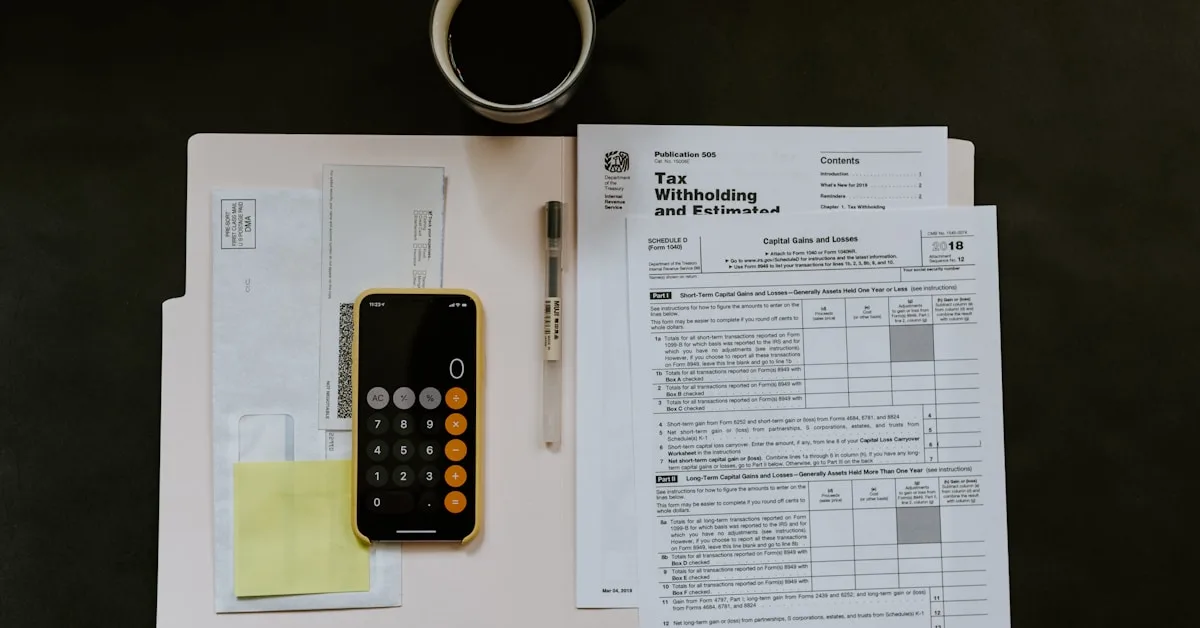
Fixed-rate home loans show downward movement while variable rates continue to fluctuate amid uncertain market conditions. Here's what Australian borrowers need to know about today's rates.

An offset account is a transaction or savings account linked to your home loan that uses your balance to reduce the interest you pay.
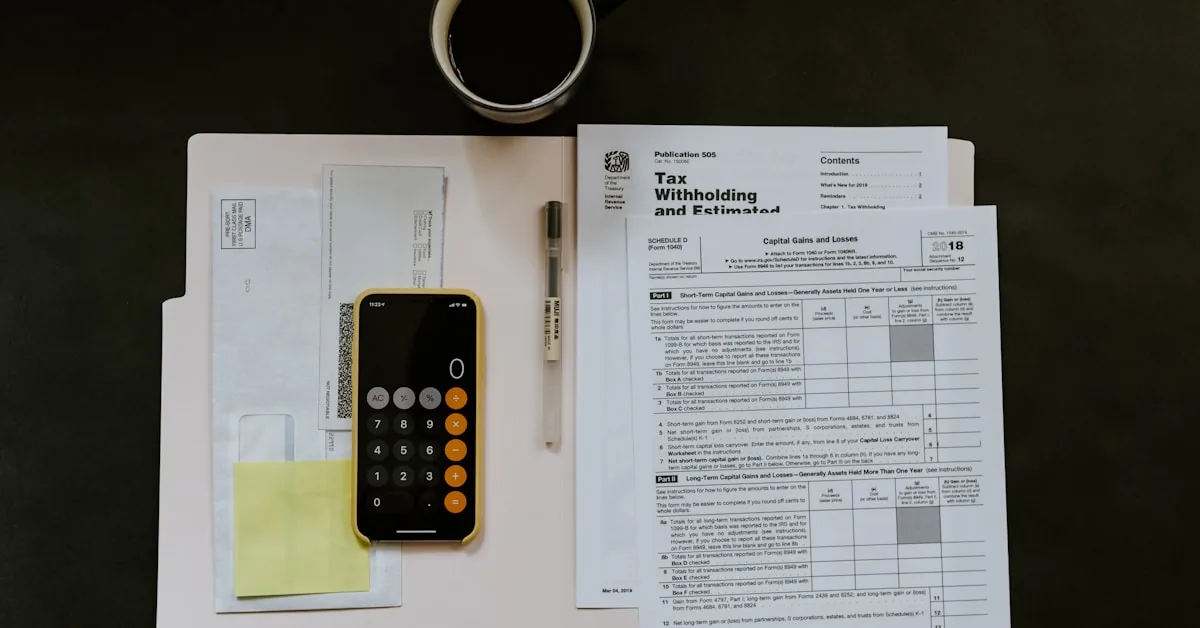
Learn how to maximise your deductions and prepare accurate records before lodging your investment property tax return at end of financial year.
Get new articles?
Want notifications about new articles and tools? You can unsubscribe anytime, and we store no personal data about you.