Construction Loans in Australia: How They Work for New Builds and Which Type Suits You
Compare the three main construction loan types in Australia, understand how progress payments work, and find the right option for your building project.
Pexels - D Goug · original
In this article
Key Takeaway
Construction loans in Australia release funds in stages as your build progresses, rather than as a single lump sum. The three main types are progress payment loans (you pay interest only on drawn amounts), turnkey or fixed-price loans (builder manages the process), and owner-builder loans (you coordinate trades yourself). Your choice depends on whether you want control over the build, can demonstrate construction experience, and how much deposit you can provide.
Introduction
Building a new home in Australia requires specialised finance that matches the construction timeline. Unlike a standard home loan where you receive the full amount at settlement, a construction loan disburses funds in stages as the builder completes each phase. Understanding the differences between construction loan types helps you choose the structure that aligns with your building approach, budget, and level of involvement.
According to ASIC MoneySmart, construction loans typically require a larger deposit (often 20 per cent or more to avoid lenders mortgage insurance) and involve more frequent lender inspections than a standard purchase loan. As covered in foundational texts such as The Construction of the Small House, the phased nature of construction has always required careful financial planning to match funding to building milestones.
Comparison Table: Construction Loan Types
| Feature | Progress Payment | Turnkey/Fixed-Price | Owner-Builder |
|---|---|---|---|
| Who manages build | You or builder | Builder (contractor) | You (as owner-builder) |
| Payment structure | Instalments per stage | Lump sum or stages | Instalments per stage |
| Interest charged on | Drawn amounts only | Drawn amounts only | Drawn amounts only |
| Typical deposit | 20%+ of land + build cost | 20%+ of contract price | 25-30%+ (stricter) |
| Lender inspections | Per stage (typically 5-6) | Per stage or milestones | Per stage (more frequent) |
| Builder requirements | Registered, insured | Registered, fixed contract | You hold builder licence or exemption |
| Best for | Hands-on buyers with flexible timelines | Buyers wanting predictable costs | Experienced builders with time and skills |
Progress Payment Construction Loans
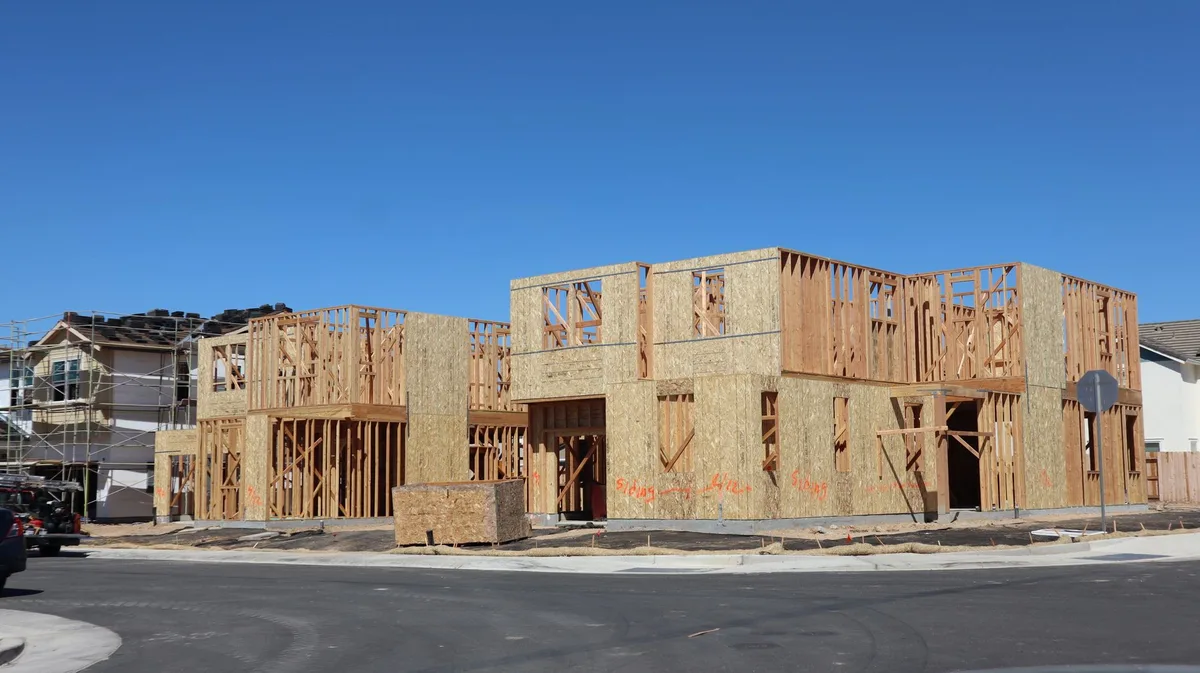
Progress payment loans are the most common construction finance structure in Australia. The lender releases funds in instalments as the builder completes predefined stages: base stage (slab or footings), frame stage, lock-up stage (roof and external walls), fixing stage (internal fit-out), and practical completion.
How it works: You pay interest only on the amount drawn to date, not the full approved loan. For example, if your total loan is A$500,000 and you have drawn A$200,000 for the base and frame stages, you pay interest on A$200,000 only. The lender appoints a valuer or inspector to verify each stage before releasing the next payment.
Pros:
- Interest efficiency: you pay interest only on funds actually used
- Flexibility: works with most registered builders and custom designs
- Wide availability: offered by most major lenders (Finder, 2026)
Cons:
- Rate risk: if you start with a variable rate, increases during the build raise your costs
- Draw delays: if inspections or approvals are slow, builder payments may be delayed
- Administration: more paperwork and coordination than a standard loan
Turnkey or Fixed-Price Construction Loans
A turnkey construction loan pairs with a fixed-price building contract, where the builder agrees to complete the home for a set price. The lender disburses funds based on the contract milestones, and you face minimal cost variation if the contract is well written.
How it works: You sign a fixed-price contract with the builder before loan approval. The lender assesses the contract and land value, then releases payments as the builder invoices for completed stages. The builder absorbs cost overruns (within the contract scope), giving you price certainty.
Pros:
- Budget certainty: the contract price is locked, protecting you from builder cost blowouts
- Simplified process: the builder manages trades, materials, and scheduling
- Less hands-on: suitable for buyers who lack construction experience
Cons:
- Higher contract price: builders price in a margin for risk
- Limited customisation: changes during construction trigger variation costs
- Builder risk: if the builder goes insolvent mid-project, you may face delays and additional costs despite the fixed contract
Read also: How Construction Loans Work in Australia
Owner-Builder Construction Loans
Owner-builder loans are for buyers who act as their own builder, directly engaging trades and suppliers. Lenders view these as higher risk and apply stricter criteria, including higher deposits (typically 25 to 30 per cent) and proof of building experience or a valid owner-builder licence.
How it works: You coordinate the construction, hire tradespeople, purchase materials, and manage the timeline. The lender releases funds per stage, but inspections are more frequent and detailed to verify that work meets standards. You must demonstrate a construction plan and often provide evidence of prior building projects.
Pros:
- Cost savings: you avoid the builder’s margin and can negotiate directly with trades
- Full control: you choose materials, finishes, and the sequence of work
- Flexibility: you can adjust the build as you go without variation fees
Cons:
- High deposit: lenders require 25 to 30 per cent equity to offset risk
- Time intensive: managing a build is a full-time commitment
- Qualification barriers: you need a builder licence (in most states) or demonstrate relevant experience; lenders reject applicants without a credible construction background
Which Construction Loan Suits You?
Choose progress payment if you want standard construction finance with a registered builder and prefer to pay interest only on drawn amounts. This suits most first-time builders and buyers working with a custom builder or volume builder on a flexible timeline.
Choose turnkey or fixed-price if you value budget certainty and want to minimise your involvement in the construction process. This suits buyers who prefer a hands-off approach, are building to a tight budget, or lack construction knowledge.
Choose owner-builder if you hold a builder licence (or qualify for an owner-builder permit), have construction experience, and can commit the time to manage trades and suppliers. This suits experienced builders willing to take on the project management in exchange for cost savings and complete control.
Conclusion
Construction loans in Australia are structured around progress payments to match the building timeline, with the three main types differing in who manages the build and the level of deposit required. Progress payment loans offer the widest availability and interest efficiency, turnkey loans provide budget certainty through a fixed-price contract, and owner-builder loans suit experienced builders who can save costs by managing the project themselves.
Before choosing a construction loan, confirm current interest rates, comparison rates, inspection fees, and draw schedules with a licensed mortgage broker or lender. Deposit requirements, loan-to-value ratio limits, builder insurance obligations, and owner-builder licensing rules vary by state and lender, so verify the specific criteria for your circumstances.
General Advice Warning
The information in this article is general in nature only and does not consider your objectives, financial situation, or needs. Construction loan eligibility, interest rates (as of August 2026; rates change frequently), deposit requirements, and loan-to-value ratio limits vary by lender, product, and your circumstances. Owner-builder licensing and construction insurance requirements differ by state and territory. You should consider obtaining personal advice from a licensed mortgage broker or lender before acting on this information. This article is not personalised financial, lending, or legal advice.
Sources
- Home Loans (accessed )
- Home Loans (accessed )
- Home Loans (accessed )
- The Construction of the Small House (accessed )
Related articles
Construction Loans in Australia: Complete Checklist for New Builds
Construction loan checklist for new builds in Australia: progress payments, builder requirements, drawdown stages, and converting to standard home loans.

Rentvesting in Australia: Buying Where You Can Afford, Renting Where You Live
Rentvesting in Australia means buying an investment property where you can afford while renting where you want to live. Learn how it works and the tax implications.
Construction Loans in Australia: Progress Payments and Interest During Build
Construction loans in Australia use progress payments drawn in stages. Interest is charged only on funds released, typically on an interest-only basis during the build.
