Construction Loans in Australia: Complete Checklist for New Builds
Essential checklist covering how construction loans work in Australia, from progress payments to practical completion.
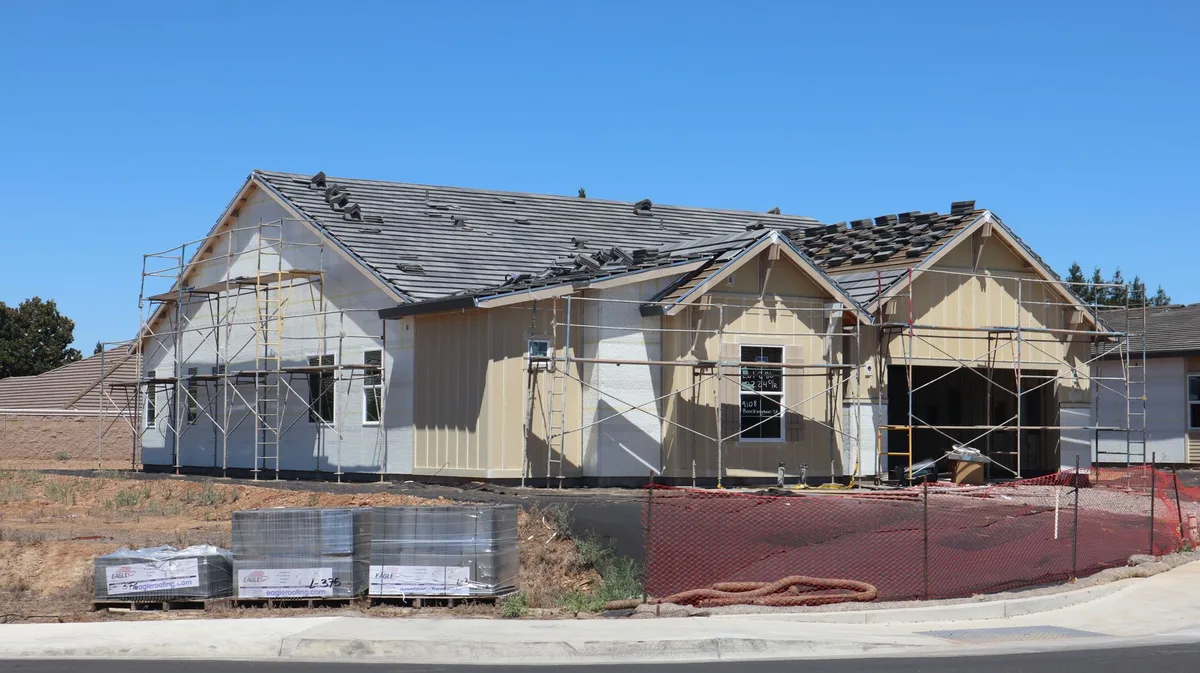
Pexels - jhon alexis de arco · original
In this article
Key Takeaway
Construction loans in Australia work differently from standard home loans: you draw funds progressively as the build reaches specific stages (slab, frame, lock-up, fixing, practical completion), paying interest only on the drawn amount during construction. You need a fixed-price building contract, council-approved plans, and lender valuations at each drawdown stage before converting to a principal-and-interest loan once the build is complete.
Introduction
A construction loan finances a new build on land you own or are purchasing. Unlike a standard home loan where you receive the full amount upfront, a construction loan releases funds progressively as the builder completes each stage, reducing your interest costs during the build period and protecting you from paying for incomplete work.
As covered in foundational building texts such as The Construction of the Small House, careful planning and staged execution remain central to successful construction projects.
Before You Apply: Pre-Construction Checklist
- Secure land ownership or conditional purchase contract. Most lenders require you to own the land or have a contract of sale before approving the construction portion of the loan.
- Obtain council-approved building plans and permits. Your development application (DA) and construction certificate (CC) must be approved and match the plans you submit to the lender.
- Choose a licensed, insured builder. Lenders require builders to hold current Home Building Compensation (HBC) insurance and a valid builder’s licence for the project value.
- Finalise a fixed-price building contract. Most lenders will not approve cost-plus or provisional-sum contracts due to budget uncertainty. The contract must detail the scope, price, and progress payment schedule.
- Budget for additional costs. Include stamp duty (varies by state and territory), legal fees, valuation fees (charged at each drawdown stage, typically A$200 to A$400 per inspection), building insurance, and a contingency buffer (commonly 10 per cent of the build cost).
Loan Structure and Drawdown Process
- Understand the two-part structure (if applicable). A land-and-construction loan splits into a land loan (standard principal-and-interest from settlement) and a construction loan (interest-only, drawn progressively). If you already own the land, you apply for a construction-only loan.
- Confirm your drawdown (progress payment) schedule. According to ASIC MoneySmart, common stages are: deposit (paid on contract signing, usually 5 to 10 per cent), base or slab, frame, lock-up, fixing (plastering, joinery, final fit-out), and practical completion (MoneySmart, 2026). Your contract defines the exact stages and percentages.
- Arrange lender inspections before each drawdown. The lender’s valuer inspects the site to confirm the stage is complete before releasing the next payment to the builder. Delays in inspection can delay payments and your build timeline.
- Pay interest only on drawn funds during construction. You are charged interest only on the total amount released so far, not the full approved loan. This keeps repayments lower during the build but requires budgeting for the jump to principal-and-interest repayments after completion.
- Prepare for the conversion to a standard home loan. Once practical completion is certified and you move in, the loan converts from interest-only to principal-and-interest repayments over the remaining term (commonly 25 to 30 years). Some lenders offer a fixed or variable rate at this point.
Builder and Contract Requirements
- Verify the builder’s insurance and licence. Request a copy of the builder’s Home Building Compensation insurance certificate and confirm their licence is current and covers the contract value.
- Review the contract’s dispute resolution and variation clauses. Ensure the contract specifies how cost variations are handled and whether you or the builder must approve changes before they affect the price.
- Understand retention clauses (if applicable). Some contracts withhold a small percentage (commonly 5 per cent) until defects are fixed. Confirm the lender’s drawdown schedule aligns with any retention terms.
Read also: Construction Loans in Australia: Progress Payments and Interest During Build
Owner-Builder Considerations
- Check lender policy on owner-builder projects. Many mainstream lenders do not offer construction loans for owner-builders due to higher perceived risk. Specialist lenders may approve owner-builder loans but require proof of building experience, detailed costings, and higher deposits (commonly 20 to 30 per cent).
- Obtain an owner-builder permit (state-dependent). Most states require a permit if the total build cost exceeds a threshold (for example, A$12,000 in New South Wales as of recent years; thresholds vary by state). Confirm your state’s requirements with the relevant building authority.
Common Pitfalls to Avoid
- Underestimating construction time and contingency costs. Delays extend the interest-only period and can push you over budget. Include a contingency buffer and monitor progress closely.
- Failing to align drawdown dates with repayment schedules. If the builder requests payment before the lender releases funds, you may need bridging finance or personal savings to cover the gap.
- Neglecting to review comparison rates. Advertised interest rates differ from the comparison rate, which includes most fees and charges. As of August 2026, rates change frequently; verify current terms with a licensed lender or mortgage broker before deciding.
- Ignoring council and lender valuation differences. A council valuation for rates purposes is not the same as a lender’s pre-drawdown inspection. Budget for separate lender valuation fees at each stage.
After Practical Completion
- Confirm practical completion with the builder and lender. Practical completion means the build is finished to a liveable standard (not defect-free). The builder issues a certificate, triggering the final drawdown and loan conversion.
- Transition to principal-and-interest repayments. Budget for the increase in repayments once the loan converts. Use a loan calculator to estimate the new repayment amount based on the total loan balance and the interest rate at conversion.
- Address any defects during the defects liability period. Most building contracts include a defects period (commonly 90 days to 12 months). Document and report defects promptly to the builder.
General Advice Warning
The information provided is general in nature only and does not consider your objectives, financial situation, or needs. Construction loan eligibility, interest rates, fees, loan-to-value ratio limits, and lenders mortgage insurance (LMI) requirements vary by lender, product, and your personal circumstances. Approval depends on serviceability, credit history, deposit size, and the lender’s assessment of the builder and project. Stamp duty and first-home buyer concessions differ by state and territory. You should consider obtaining personal advice from a licensed mortgage broker or financial adviser before acting on this information. It is not personalised financial, lending, or legal advice. For legal questions about building contracts or owner-builder permits, consult a qualified solicitor or the relevant state building authority.
Sources
- Home Loans (accessed )
- Australian Prudential Regulation Authority (accessed )
- Home Loans (accessed )
- The Construction of the Small House (accessed )
Related articles
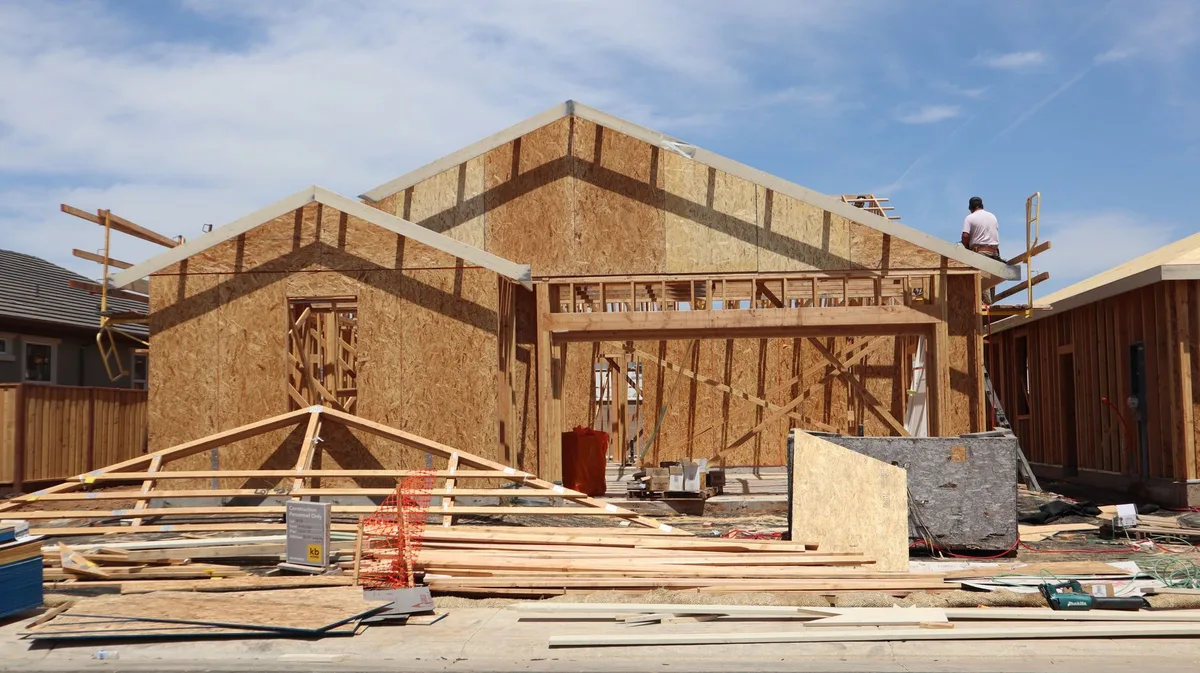
Construction Loans in Australia: Progress Payments and Interest During Build
Construction loans in Australia use progress payments drawn in stages. Interest is charged only on funds released, typically on an interest-only basis during the build.
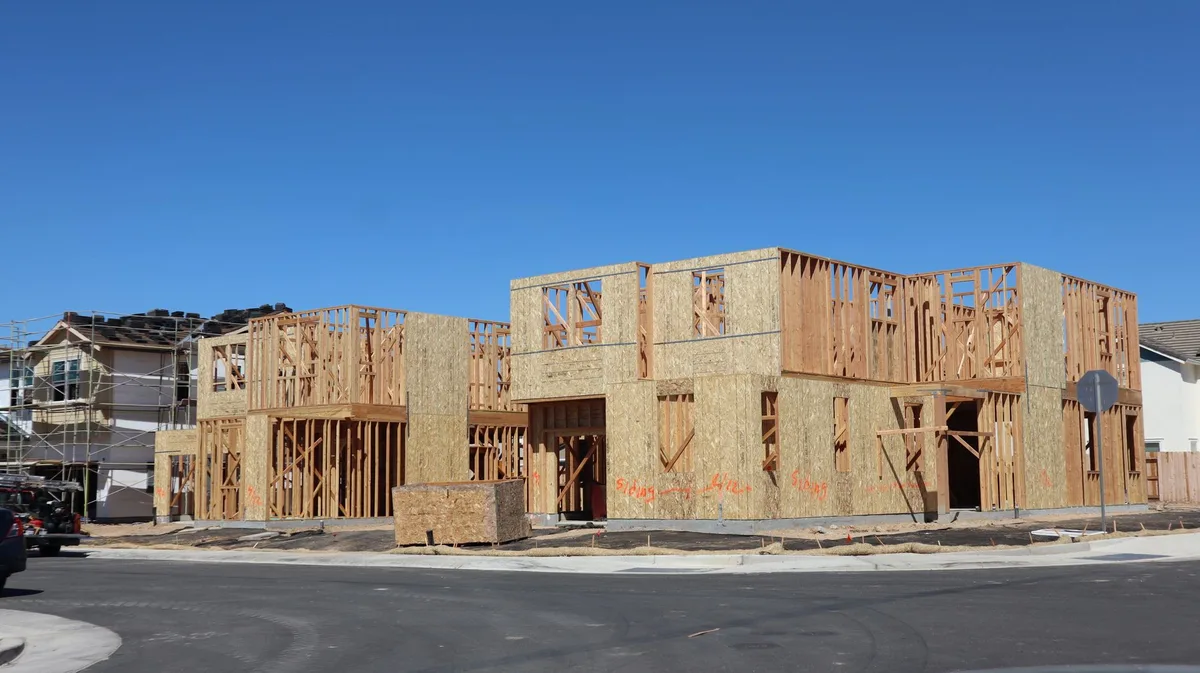
Construction Loans in Australia: How They Work for New Builds and Which Type Suits You
Compare progress payment, turnkey, and owner-builder construction loans in Australia. Understand how each works and which suits your new build project.
Investment Property Loans in Australia: How to Qualify and What to Compare
Compare investment property loan types, qualification criteria, and features in Australia. Learn LVR requirements, serviceability tests, and what to compare.
