Green Home Loans in Australia: Better Rates for Sustainable and Energy-Efficient Homes
Discover how green home loans reward borrowers who buy or renovate energy-efficient properties with lower rates, discounts, and stacking government incentives across Australia.
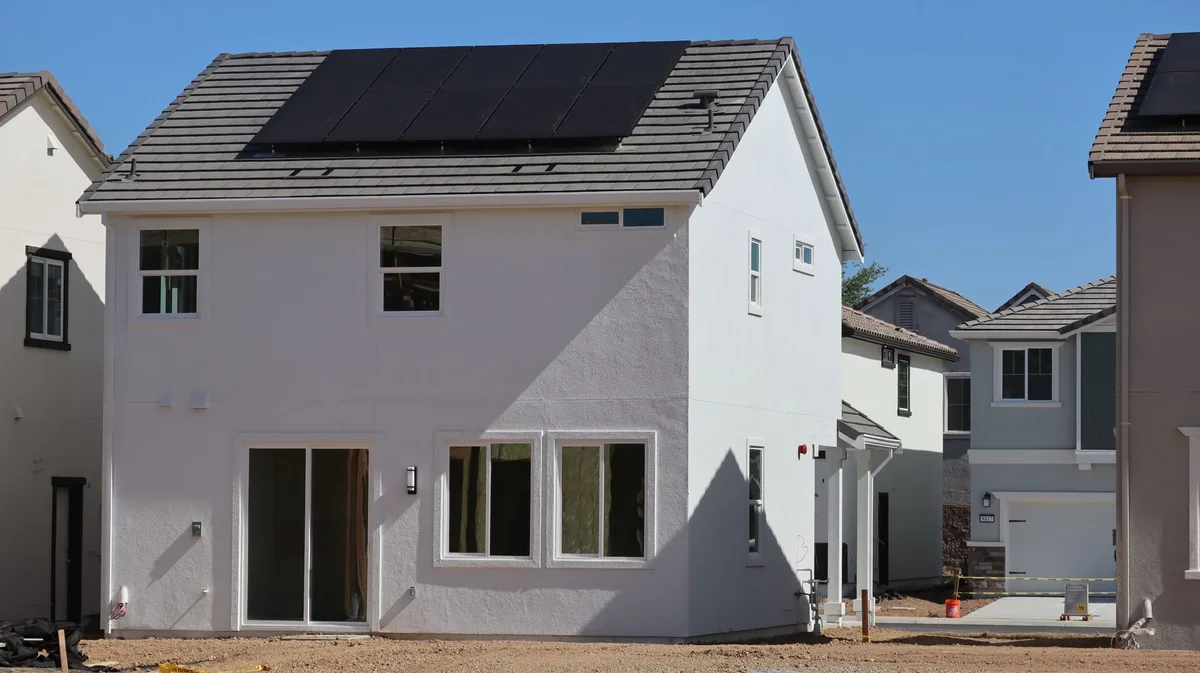
Pexels - D Goug · original
In this article
Key Takeaway
Green home loans in Australia reward borrowers who purchase or renovate energy-efficient properties with interest rate discounts of 0.10 to 0.70 percentage points below standard variable and fixed rates. Properties with high NatHERS ratings, solar panels, or green building certifications qualify, and many lenders combine the green discount with offset accounts, government schemes, and cashback offers to reduce total borrowing costs.
What Are Green Home Loans?
Green home loans (also called sustainable home loans or energy-efficient mortgages) are standard variable-rate or fixed-rate home loans that charge a lower interest rate when the property meets specific environmental or energy-performance standards. Australian lenders introduced these products to encourage borrowers to buy homes with lower running costs and smaller carbon footprints, and the rate discount directly reduces your monthly repayments and total interest paid over the loan term.
According to ASIC MoneySmart, borrowers should compare the comparison rate (which includes most fees and charges) rather than the advertised rate alone when evaluating any home loan (MoneySmart, 2026). For green loans, the discount typically applies to both the advertised rate and the comparison rate, so the savings compound across the life of the loan.
1. Lower Interest Rates and Green Discounts
The primary attraction of a green home loan is the interest rate discount. As of mid-2026, major Australian lenders offer green loan discounts ranging from 0.10 per cent to 0.70 per cent below their standard variable and fixed rates, with most discounts sitting between 0.20 per cent and 0.50 per cent. A 0.25 per cent discount on a A$500,000 loan saves approximately A$700 per year in interest (exact savings depend on the rate, term, and repayment structure).
The discount applies for the life of the loan or a set promotional period (typically the fixed term for fixed-rate green loans, or ongoing for variable-rate products), so verify the discount duration and any conditions with the lender before committing. Some lenders automatically apply the green discount at settlement when the property meets the criteria, while others require you to provide evidence of the energy rating or certification upfront.
2. What Qualifies as a Green Home
Lenders set their own green loan eligibility criteria, but the most common qualifying features include:
- A NatHERS (Nationwide House Energy Rating Scheme) rating of 7 stars or higher. NatHERS is the Australian residential building energy-efficiency rating system, mandatory for new homes and renovations in most states, and rates properties from 0 to 10 stars based on thermal performance.
- Solar photovoltaic (PV) panels installed and connected to the grid, typically with a minimum system size of 3 kW.
- Green building certifications such as Green Star (administered by the Green Building Council of Australia), NABERS (National Australian Built Environment Rating System) for apartments, or international certifications like LEED.
- Battery storage systems, high-efficiency hot water (heat pump or solar), double glazing, or other energy-saving features listed in the lender’s green loan policy.
Some lenders accept a combination of features rather than a single rating, so a home with solar panels, a high-efficiency heat pump, and good insulation may qualify even without a formal NatHERS assessment. Request the lender’s green loan eligibility checklist during pre-approval to confirm your property meets the criteria before you commit to the purchase.
3. Green Renovation Loans
Green home loans are not limited to purchasing an already-efficient property. Many lenders extend the green discount to borrowers who finance energy-efficiency renovations or retrofits, either as part of the original purchase loan or as a top-up or refinance for an existing property. Eligible renovations typically include installing solar panels, replacing windows with double glazing, upgrading insulation, fitting a heat pump or solar hot water system, or undertaking a whole-house retrofit that lifts the NatHERS rating by two or more stars.
The lender may require quotes, a building permit, or a post-completion energy assessment to verify that the work meets green loan standards, and the discount usually applies once the renovation is complete and certified. This structure allows you to buy a lower-priced home with efficiency potential, use the loan to fund the upgrades, and benefit from the green discount on the full loan balance after the work is finished.
Read also: First Home Buyer’s Guide to Getting a Home Loan in Australia
4. Government Schemes and Rebates That Stack
Green home loans often stack with Commonwealth and state government schemes, multiplying the financial benefit. The Home Guarantee Scheme (administered by Housing Australia) includes the First Home Guarantee and Regional First Home Buyer Guarantee, which reduce or eliminate lenders mortgage insurance (LMI) for eligible buyers with deposits below 20 per cent, and some lenders combine these guarantees with green loan discounts (Housing Australia, 2026).
State and territory governments also offer energy-efficiency rebates, solar panel incentives, battery subsidies, and stamp duty concessions for energy-efficient new homes or renovations. For example, several states provide rebates of A$1,000 to A$3,000 for solar installations or battery upgrades, and these rebates reduce the upfront cost of meeting green loan criteria. The combination of a lower interest rate, reduced LMI (via a government guarantee), and upfront rebates can deliver total savings of tens of thousands of dollars over the loan term.
Verify current scheme eligibility and limits with the relevant government agency (Housing Australia for federal schemes, your state revenue office for stamp duty concessions, and your state energy department for solar and battery rebates), as availability, caps, and income thresholds change frequently.
5. How to Compare and Apply for a Green Home Loan
Comparing green home loans requires the same rigour as any mortgage comparison, with added attention to the green eligibility criteria and discount structure. Start by obtaining your property’s NatHERS rating (if available) or listing its energy features (solar, battery, certifications), then request green loan quotes from multiple lenders, ensuring each quote includes the comparison rate with the green discount applied.
According to foundational finance texts such as Principles of Finance, borrowers should compare the total cost of credit (interest plus fees) rather than the advertised rate alone when selecting a loan product, and the comparison rate is the Australian regulatory tool designed to facilitate that comparison. For green loans, verify that the discount applies to both the advertised rate and the comparison rate, and confirm whether the discount is ongoing (for variable-rate loans) or limited to the fixed term (for fixed-rate products).
Additional features to compare include offset account availability (which further reduces interest by offsetting your loan balance with your transaction account balance), redraw facilities, extra repayment flexibility, break costs on fixed loans, and any application or annual fees. Some lenders offer cashback (typically A$2,000 to A$4,000) on green loans, which can cover the cost of an energy assessment or contribute to renovation expenses.
Apply for pre-approval (conditional approval) with your preferred lender before you bid or sign a contract, as pre-approval confirms your borrowing capacity and locks in the green discount eligibility criteria, giving you certainty during the property search. At settlement, provide the required evidence (NatHERS certificate, solar installation receipt, or green building certification) to trigger the discount.
Conclusion
Green home loans deliver meaningful financial savings (lower rates, reduced LMI via government schemes, and stacking rebates) while rewarding energy-efficient property choices that lower running costs and environmental impact. Whether you are purchasing a new high-rated home, buying an older property to retrofit, or refinancing to fund solar and battery upgrades, the green loan discount compounds over the loan term and typically more than offsets the cost of meeting the energy-efficiency criteria. Compare lenders, verify your property’s eligibility early, and confirm that the discount applies to the comparison rate to ensure you capture the full benefit.
General Advice Warning. This information is general in nature and does not consider your objectives, financial situation, or needs. Green loan eligibility, discount rates, terms, fees, and government scheme availability vary by lender, product, state, and your personal circumstances. Rates quoted are indicative as of August 2026 and change frequently. Obtain personalised advice from a licensed mortgage broker or lender before making a borrowing decision. This is not personalised financial, lending, or legal advice.
Sources
- Home Loans (accessed )
- Housing Australia (accessed )
- Home Loans Comparison (accessed )
- Principles of Finance (accessed )
Related articles

Ubank's 10% Deposit Home Loan with No LMI in Australia
Ubank's new home loan offers 10% deposit with no LMI for eligible Australian borrowers. Learn the requirements, conditions and catches.

Rate Lock Strategy for Australian Buyers Planning to Settle in Summer
Master the rate lock strategy for summer settlement in Australia. Learn when to lock fixed rates, avoid break costs, and time your application perfectly.
How to Buy Property at Auction in Australia: Finance and Unconditional Approval Guide
Master auction property buying in Australia: get unconditional finance approval, understand binding bids, and secure your purchase confidently.
