How Bridging Loans Work in Australia: Buying Before Selling
Learn how bridging finance lets Australian property owners purchase their next home before settling the sale of their current property.

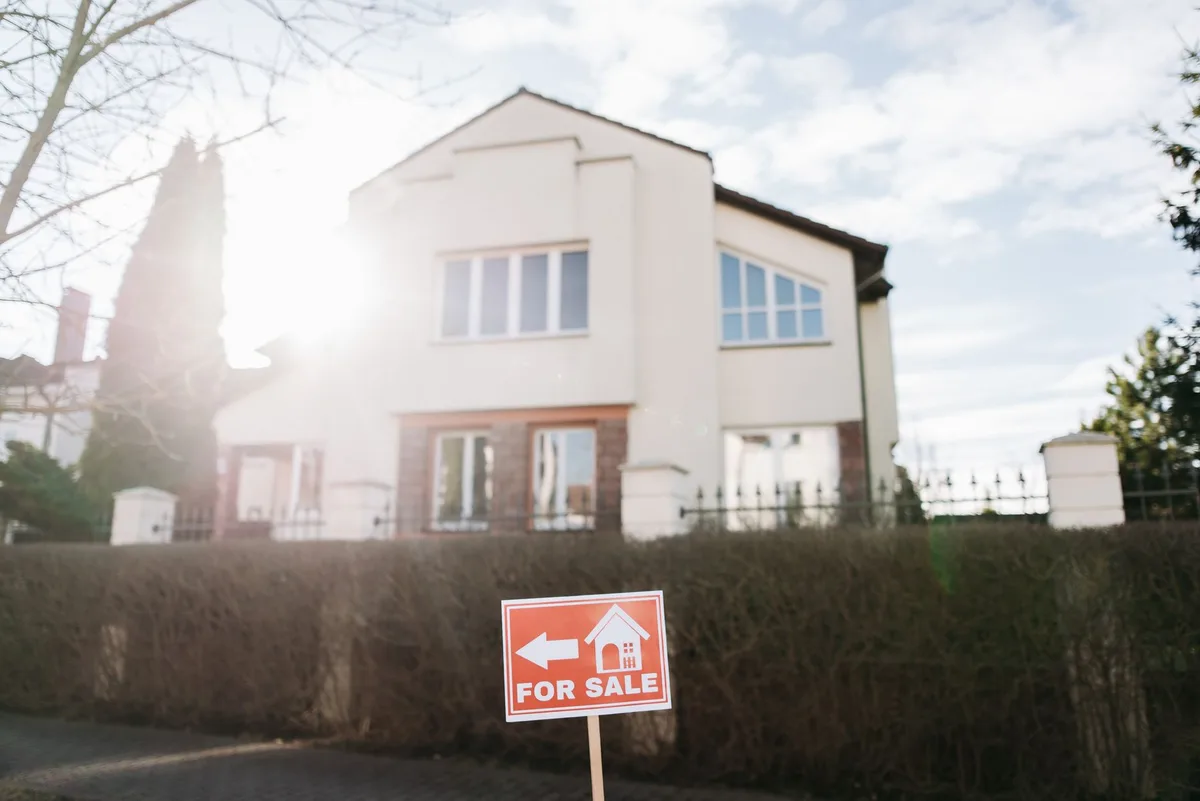
Pexels - Pavel Danilyuk · original
In this article
Key Takeaway
A bridging loan is short-term finance that lets you buy your next Australian property before selling your current home. The lender assesses both properties and lends against the combined equity, typically for 6 to 12 months, with interest capitalised until your existing property settles. You need sufficient equity in your current home (usually at least 20 per cent) and proof you can service both loans temporarily.
Introduction
Timing the sale of your existing home to align perfectly with the purchase of your next property is difficult. A bridging loan offers a practical solution for Australian property owners who want to secure their next home without waiting for their current property to settle, as explained in foundational finance texts such as Principles of Finance.
This guide walks you through how bridging loans work in Australia, the application process, costs, and what to consider before using this form of short-term finance.
What You Will Learn
- How bridging loans are structured and assessed in Australia
- The step-by-step application and settlement process
- Costs, interest structures, and serviceability requirements
- Common risks and how to manage them
- When bridging finance makes sense for your property transition
Step 1: Understand How Bridging Finance Is Structured
A bridging loan is short-term lending (typically 6 to 12 months) secured against both your existing property and the property you are buying. The lender assesses the combined loan-to-value ratio (LVR) across both properties.
According to ASIC MoneySmart, lenders calculate the peak debt (your existing home loan plus the bridging loan for the new purchase) and the end debt (the new home loan after your existing property sells) (MoneySmart, 2026). You must meet serviceability for the peak debt period, meaning you can afford both loans temporarily.
Most bridging loans use capitalised interest: the lender adds the interest to the loan balance each month rather than requiring monthly repayments. This reduces immediate cash-flow pressure during the transition.
Step 2: Check Your Equity and Serviceability
You need sufficient equity in your current home to secure bridging finance. Most lenders require at least 20 per cent equity, and the combined LVR across both properties must stay within the lender’s limit (commonly 80 per cent to avoid lenders mortgage insurance, or up to 90 per cent with LMI).
Example calculation:
- Current home value: A$800,000, loan balance: A$400,000 (equity: A$400,000)
- New property purchase price: A$900,000
- Peak debt: A$400,000 + A$900,000 = A$1,300,000
- Combined property value: A$800,000 + A$900,000 = A$1,700,000
- Combined LVR: 76 per cent (within most lender limits)
The lender also assesses whether your income can service the peak debt, even temporarily. If your existing property is listed for sale with a realistic price and timeline, the lender may apply reduced serviceability requirements, but this varies by lender.
Step 3: Apply for Pre-Approval and List Your Current Property
Before committing to purchase a new property, obtain bridging loan pre-approval. The lender evaluates your equity position, income, credit history, and the estimated sale price of your current home (often requiring a formal valuation).
List your existing property for sale before or during the bridging application. Lenders want evidence the property is actively marketed, and some require a signed agency agreement. The faster your property sells, the lower your total interest cost.
Step 4: Complete the Purchase and Draw Down the Bridging Loan
Once your offer on the new property is accepted and contracts are exchanged, the lender finalises the bridging loan. At settlement on the new property, the lender disburses the purchase funds. Your existing home loan and the new bridging loan are both secured against both properties during the transition period.
From this point, interest accrues on the full bridging amount and is capitalised monthly. Your focus shifts to settling the sale of your existing property as quickly as possible to minimise interest costs.
Step 5: Settle the Sale and Discharge the Bridging Component
When your existing property settles, the sale proceeds go to the lender to pay down the bridging portion of the debt. The lender then discharges the security over the sold property, and you are left with a standard home loan secured against your new property only.
If the sale proceeds exceed the amount needed to discharge the bridging loan, the surplus can reduce your ongoing home loan balance or be returned to you (depending on your loan structure and the lender’s terms).
Practical Tips
- Obtain multiple valuations: Lenders may undervalue your existing property. Challenge the valuation if it is significantly below recent comparable sales.
- Negotiate the bridging rate: Bridging loan interest rates are typically 0.5 to 1.5 percentage points above standard variable rates. Ask lenders if they will match a lower rate, especially if you have strong equity and income.
- Plan for settlement delays: If your existing property does not sell within the bridging term (commonly 6 months, extendable to 12), the lender may require you to start making principal and interest repayments or force a sale.
- Consider split loan structures: Some borrowers use a split loan (part fixed, part variable) on the new property to manage rate risk once the bridging phase ends.
Read also: Bridging Loans in Australia: Buying Before You Sell
Common Mistakes to Avoid
Underestimating total costs. Bridging loans carry higher interest rates, and you also pay application fees, valuation fees (on both properties), legal fees, and potentially lenders mortgage insurance if your combined LVR exceeds 80 per cent. Budget for total costs of 1 to 2 per cent of the bridging loan amount, plus the capitalised interest.
Overpricing the existing property. Setting an unrealistic sale price extends the bridging period and increases interest costs. Use recent comparable sales and agent advice to price competitively from the start.
Ignoring end-debt serviceability. Even if you can afford the peak debt temporarily, the lender assesses whether you can service the ongoing loan on the new property after the sale. If the new loan is too large relative to your income, the bridging application will be declined.
Frequently Asked Questions
Can I use bridging finance if my existing property is not yet listed for sale?
Most lenders require the property to be listed (or about to be listed) and actively marketed before approving bridging finance. Some will accept a conditional approval if you can demonstrate a clear intention to sell, but expect stricter conditions and higher rates.
What happens if my property does not sell within the bridging term?
If the property remains unsold at the end of the bridging period (typically 6 to 12 months), the lender may extend the term (often with fees and a higher rate), require you to start making principal and interest repayments, or initiate a forced sale. Avoid this scenario by pricing competitively and listing early.
Do I pay lenders mortgage insurance on a bridging loan?
If your combined LVR exceeds 80 per cent, the lender will charge LMI on the peak debt amount. This can add several thousand dollars to your upfront costs. Keep your combined LVR below 80 per cent if possible to avoid LMI.
Conclusion
Bridging finance gives Australian property owners the flexibility to secure their next home before their existing property settles. It requires sufficient equity, careful budgeting for interest and fees, and a realistic plan to sell your current property within the bridging term.
Before proceeding, compare offers from multiple lenders, obtain formal valuations on both properties, and confirm the total cost (including capitalised interest and fees). If your existing property is priced competitively and likely to sell within 6 months, bridging finance can remove the stress of timing two settlements perfectly.
Consult a licensed mortgage broker or lender to assess whether bridging finance suits your circumstances and to structure the loan correctly for your property transition.
General Advice Warning: The information in this article is general in nature and does not consider your personal objectives, financial situation, or needs. Bridging loan terms, interest rates, fees, and eligibility vary by lender and your individual circumstances. You should obtain personal advice from a licensed mortgage broker or financial adviser before acting on this information. This is not personalised financial, lending, or legal advice.
Rate and Cost Disclosure: Bridging loan interest rates, comparison rates, fees, and LMI costs vary by lender and product and change frequently. The scenarios in this article are illustrative only. Verify current rates, fees, and terms with a licensed lender or mortgage broker before making any decision.
Sources
- Home Loans (accessed )
- APRA Home Loans (accessed )
- Home Loans Comparison (accessed )
- Principles of Finance (accessed )
Related articles
Bridging Loans in Australia: Buying Before You Sell
Bridging loans let Australians buy before selling, but carry higher rates and risks. Learn how they work, costs, and safer alternatives.

Low Property Valuation in Australia: What Happens to Your Offer and Deposit
When a bank valuation falls short of your offer price in Australia, your deposit and loan are at risk. Learn your options and calculate your position.

How to Buy Property at Auction in Australia: Finance and Unconditional Approval Guide
Master auction property buying in Australia: get unconditional finance approval, understand binding bids, and secure your purchase confidently.
