Home Equity Line of Credit (HELOC) in Canada: Using Your Equity Wisely
Learn how a HELOC works in Canada, the regulations that govern borrowing limits, and smart strategies for accessing your home equity responsibly.
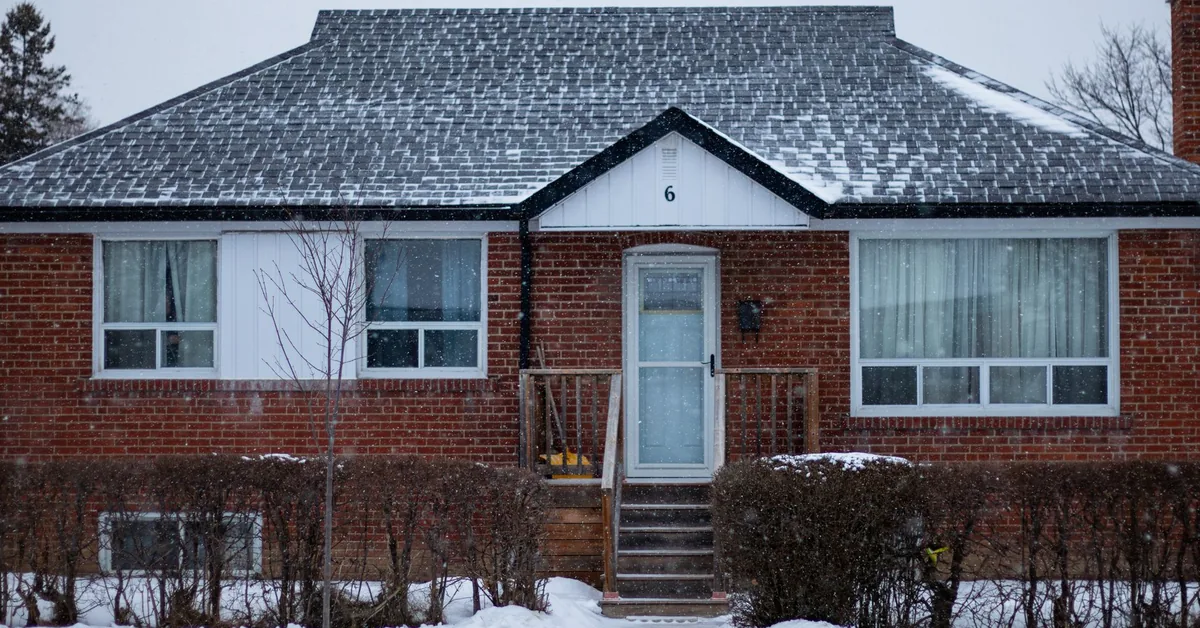
Pexels - Anurag Jamwal · original
In this article
Key Takeaway
A home equity line of credit (HELOC) is a revolving credit product secured by your home equity that lets you borrow up to a set limit, typically at a variable interest rate tied to your lender’s prime rate. In Canada, you can generally borrow up to 65 per cent of your home’s appraised value through a standalone HELOC, or up to 80 per cent combined when paired with your mortgage. Use a HELOC wisely for value-adding purposes such as home renovations, debt consolidation at a lower rate, or as an emergency fund, but avoid using it for discretionary spending or lifestyle purchases that do not build wealth or reduce higher-cost debt.
Introduction
Your home equity represents the portion of your property that you truly own outright, the difference between your home’s current market value and what you still owe on your mortgage. A HELOC lets you tap into that equity without selling your home or refinancing your entire mortgage. In Canada, HELOCs have become a popular way to access funds for major expenses, but they require discipline and a clear strategy to use responsibly. Understanding how HELOCs work under Canadian regulations, what they cost, and how to deploy them wisely can help you make sound financial decisions and avoid over-leveraging your home.
What Is a HELOC?
A home equity line of credit is a revolving credit product secured by a registered charge against your home. Unlike a traditional home equity loan that provides a lump sum, a HELOC works more like a credit card: you are approved for a maximum credit limit based on your available equity, and you can borrow, repay, and re-borrow up to that limit during the draw period (typically the life of the product). You pay interest only on the amount you actually borrow, not the full credit limit.
HELOCs in Canada almost always carry a variable interest rate, which is tied to the lender’s prime rate. The rate you pay is usually expressed as prime plus or minus a spread (for example, prime minus 0.5 per cent, or prime plus 0.5 per cent), depending on your creditworthiness and the lender’s pricing. As the Bank of Canada adjusts the policy interest rate, your lender’s prime rate and your HELOC interest rate move in tandem (Bank of Canada, 2026).
How HELOCs Work in Canada
Canadian regulations set borrowing limits for HELOCs to manage risk. Under federal guidelines, you can borrow up to 65 per cent of your home’s appraised value through a standalone HELOC. If you combine a HELOC with a traditional mortgage (a common structure offered by lenders as a combination product or readvanceable mortgage), the total of your mortgage balance and HELOC cannot exceed 80 per cent of the home’s value. This combined loan-to-value (LTV) limit is strictly enforced.
For example, if your home is appraised at C$500,000, the maximum you could borrow through a standalone HELOC would be C$325,000 (65 per cent). If you have an existing mortgage of C$300,000, you could access up to C$100,000 through a HELOC before hitting the 80 per cent combined LTV cap (C$400,000 total). As you pay down your mortgage principal or as your home appreciates in value, your available HELOC room can increase, giving you flexible access to growing equity.
Most HELOCs require interest-only minimum monthly payments, though you can pay down principal at any time without penalty. This flexibility is a key advantage, but it also requires discipline: paying only the interest means your principal balance does not decrease, and you remain exposed to rate increases on the full amount borrowed.
Wise Uses of a HELOC
A HELOC can be a powerful financial tool when used strategically. The best uses add value, reduce higher-cost debt, or provide a safety net for genuine emergencies.
Home renovations that increase property value. Using HELOC funds to update a kitchen, add a bathroom, or finish a basement can boost your home’s market value and improve your quality of life. The interest rate on a HELOC is typically much lower than unsecured credit, making it a cost-effective way to finance major home improvements.
Debt consolidation. If you carry high-interest debt on credit cards (often 19 to 21 per cent annual interest) or unsecured personal loans, consolidating that debt into a HELOC at a lower variable rate (currently in the range of 6 to 8 per cent as of mid-2026, depending on the lender and the Bank of Canada policy rate) can save substantial interest and simplify your payments. This strategy only works if you commit to not running up new credit card balances after consolidation.
Emergency fund or financial buffer. Keeping a HELOC available but unused provides a safety net for unexpected expenses such as urgent home repairs, medical costs, or temporary income loss. You pay no interest on an unused HELOC, and having the credit line in place before you need it can provide peace of mind.
Education costs. Some homeowners use HELOC funds to pay for post-secondary education for themselves or their children, especially when government student loans are insufficient or when the borrower does not qualify for student aid.
Risky Uses to Avoid
HELOCs can also lead to financial trouble if used irresponsibly. Avoid these common pitfalls.
Read also: Mortgage and Refinance Interest Rates in Canada: June 2026 Update
Lifestyle spending and discretionary purchases. Using a HELOC to fund vacations, new vehicles, entertainment, or everyday living expenses is a red flag. You are converting short-term consumption into long-term debt secured by your home, and you risk over-leveraging your most important asset.
Speculative investments. Borrowing against your home to invest in the stock market, cryptocurrencies, or other volatile assets amplifies risk. If the investment loses value, you still owe the full HELOC balance plus interest, and you have put your home at risk.
Paying only the minimum indefinitely. If you borrow a large amount and pay only the interest month after month, your principal balance never decreases. Over time, rising interest rates can make even the minimum payment unaffordable, and you remain heavily indebted.
How to Qualify for a HELOC in Canada
Lenders assess your income, credit score, existing debts, and the equity in your home. Most require a credit score of at least 650, though higher scores (700 or above) typically qualify for better rates. You must demonstrate sufficient income to service the HELOC payments along with your other obligations. Some lenders apply the federal mortgage stress test to HELOCs, requiring you to qualify at a rate higher than your actual contract rate to ensure you can handle future rate increases.
A property appraisal is usually required to confirm your home’s current market value and calculate your available equity. Legal fees and appraisal costs (typically C$300 to C$500 combined) are common, though some lenders waive or reimburse these fees for larger credit lines.
Risks and Considerations
The primary risk with a HELOC is the variable interest rate. When the Bank of Canada raises the policy rate, your HELOC rate rises immediately, increasing your monthly interest cost. Borrowers who carry large HELOC balances can face significant payment increases during a rising-rate cycle, which has been observed in recent years.
A HELOC also requires discipline. The ease of access can tempt some borrowers to draw funds for non-essential purposes, leading to a cycle of debt accumulation. Unlike a fixed-term loan with scheduled principal repayment, a HELOC can remain outstanding indefinitely if you do not actively pay down the balance.
Finally, your home secures the HELOC. If you default on payments, the lender has the legal right to enforce the security and ultimately foreclose on your home, just as with a mortgage.
Frequently Asked Questions
Can I convert my HELOC to a fixed-rate loan?
Some lenders allow you to lock in all or part of your HELOC balance at a fixed rate for a set term, converting it into a traditional loan with scheduled principal and interest payments. This can provide certainty and protection from rate increases.
Is HELOC interest tax-deductible in Canada?
Generally, no. Interest on a HELOC used for personal purposes (home renovations, debt consolidation, personal expenses) is not tax-deductible. Interest may be deductible if you use the HELOC to earn investment income, but you should consult a qualified tax professional for advice specific to your situation.
What happens to my HELOC if I sell my home?
The HELOC must be repaid in full when you sell, just like your mortgage. The outstanding balance is deducted from your sale proceeds at closing.
Conclusion
A HELOC in Canada offers flexible, cost-effective access to your home equity, but it is not free money. Use it strategically for purposes that build value, reduce higher-cost debt, or provide genuine financial security, and avoid the trap of funding lifestyle spending with borrowed equity. Understand the combined LTV limits, monitor your exposure to variable-rate changes, and commit to paying down the balance over time. Used wisely, a HELOC can be a valuable financial tool. Used carelessly, it can erode your equity and put your home at risk. The information in this article is general educational information only, not personalized financial or lending advice. Mortgage products, rates, and regulations vary by province, lender, and your circumstances. Consult a licensed mortgage broker or financial advisor for guidance specific to your situation.
Sources
- Mortgages and home equity (accessed )
- Home buying resources (accessed )
- Key Interest Rate (accessed )
Related articles

HELOC vs. Refinancing in Canada: Which Option Fits Your Need
Compare HELOC and refinancing in Canada: which option fits your financial need, from one-time expenses to ongoing flexibility and lowest rates.

How a Home Equity Line of Credit (HELOC) Works in Canada
Learn how a home equity line of credit (HELOC) works in Canada, including borrowing limits, interest rates, and repayment requirements.

HELOC versus Refinance in Canada: Which Is Better for Accessing Home Equity
Compare HELOCs and mortgage refinancing in Canada. Learn which option is better for accessing your home equity based on your situation.
