Bank of Canada Holds Interest Rates Steady: Impact on the Canadian Housing Market
When the Bank of Canada holds its policy rate, the immediate effect on housing and mortgages depends on your mortgage type and renewal timeline.

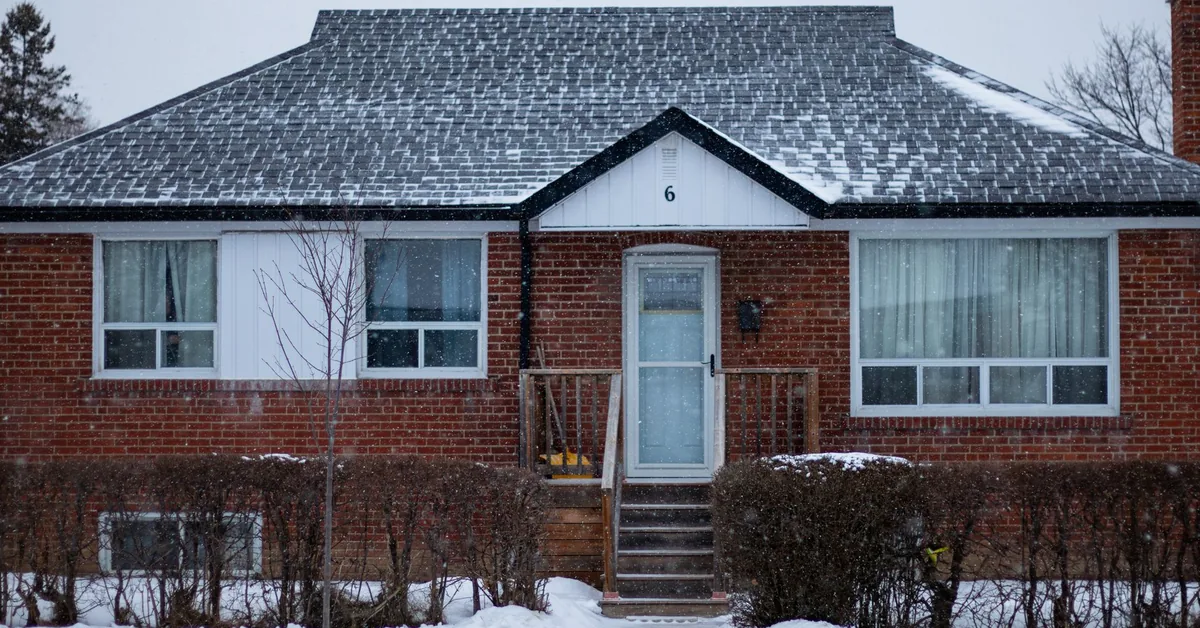
Pexels - Anurag Jamwal · original
In this article
Key Takeaway
When the Bank of Canada holds its policy interest rate steady, variable-rate mortgage holders see no immediate change to their payments, while fixed-rate borrowers are unaffected until renewal. The housing market response depends on how long rates remain unchanged: a sustained hold can support buyer confidence and stabilize prices, but does not automatically lower mortgage costs or trigger a surge in activity.
What a Rate Hold Means for Your Mortgage
The Bank of Canada’s policy interest rate (the overnight rate) directly influences the prime rate that Canadian lenders use to price variable-rate mortgages and home equity lines of credit (HELOCs). When the Bank holds the rate steady, prime stays where it is, and variable-rate mortgage payments do not change from one month to the next (Bank of Canada, 2026).
If you carry a variable-rate mortgage, a rate hold means your current payment and interest portion remain the same until the next policy announcement. For fixed-rate mortgage holders, the policy rate hold has no immediate effect: your rate is locked for the duration of your term, typically one to five years. Fixed rates only come into play when you renew or when you are shopping for a new mortgage, and they reflect bond-market expectations rather than the policy rate itself.
Impact on Home Buyers and the Housing Market
A rate hold can remove some uncertainty for prospective buyers. When the Bank of Canada signals stability, buyers gain clarity on borrowing costs, which can support decision-making and keep activity steady. However, a hold does not mean rates are low or falling. If the policy rate has been elevated to cool inflation, holding it at that level keeps mortgage qualification tight under the OSFI B-20 mortgage stress test, which requires you to qualify at the greater of your contract rate plus 2 percentage points or 5.25 per cent (Financial Consumer Agency of Canada, 2026).
For the broader housing market, the effect of a rate hold depends on context. If the hold follows a series of cuts, it may signal that easing is paused, which can temper expectations for further relief. If the hold follows a hiking cycle, it suggests rates have peaked, which can gradually restore buyer confidence and support price stability as the market adjusts to the new normal.
What to Do Next
If you hold a variable-rate mortgage, review your amortization schedule. A rate hold means your balance is paying down at the current pace, but if rates have risen significantly over the past year, your payments may be tilted heavily toward interest. Consider whether a switch to a fixed rate at renewal makes sense for your risk tolerance and financial goals.
If you are buying or renewing soon, consult a licensed mortgage broker to compare current offerings. Rates vary by lender, term, and product type, and what is available today may shift before your next decision point (RateHub, 2026). Confirm your eligibility under the stress test and factor in all closing costs, including land transfer tax and legal fees, which differ by province.
Important Disclaimer
This article provides general educational information only and is not personalized financial, lending, legal, or tax advice. It is not an offer or commitment to lend. Mortgage products, rates, qualification requirements, and costs vary by province, territory, lender, and your individual circumstances. The OSFI mortgage stress test, mortgage default insurance rules, land transfer tax, and available programs differ depending on where you live and which lender you use. Rates and terms referenced are as of June 2026 and change frequently. Before making any mortgage or home-financing decision, verify current rates, eligibility, and terms with a licensed mortgage broker or your financial institution, and consult a qualified tax or legal professional for advice specific to your situation.
Sources
- Key Interest Rate (accessed )
- Mortgages (accessed )
- Mortgages (accessed )
Related articles
Bank of Canada June 2026 Rate Decision: Summer Outlook for Canadian Homeowners
Bank of Canada's June 2026 rate decision explained: what Canadian homeowners need to know about mortgage rates and renewal planning this summer.

What a Bank of Canada Rate Pause May Mean for Mortgage Rates in Canada
A Bank of Canada rate pause means variable mortgage rates may stabilize while fixed rates depend on bond market expectations. Here is what it means for you.

Bank of Canada Interest Rate Explained and How It Shapes Your Mortgage in Canada
Learn how the Bank of Canada interest rate directly impacts variable mortgages and indirectly shapes fixed-rate mortgage costs in Canada.
