Mortgage Rates Are Rising in Canada Despite No Bank of Canada Rate Change
Fixed mortgage rates in Canada can climb even when the Bank of Canada holds its policy rate steady, driven by bond market dynamics and inflation expectations rather than central bank announcements alone.
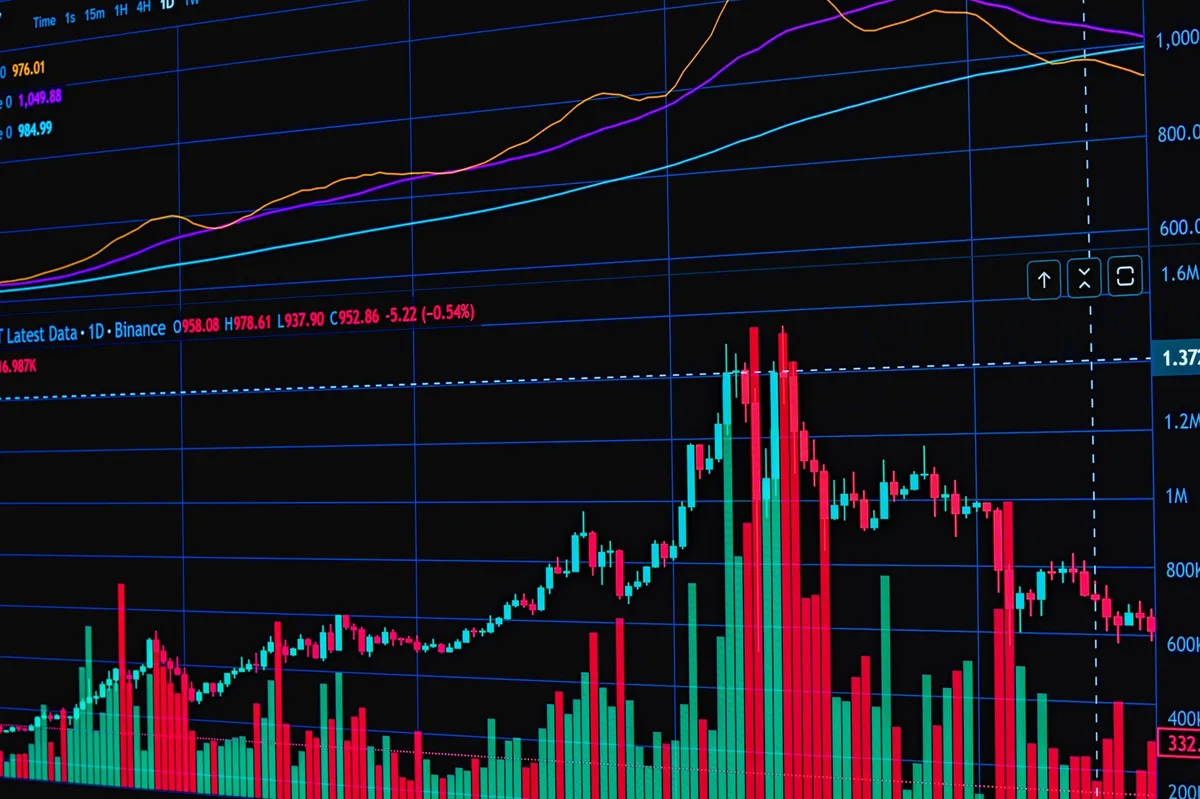
Pexels - Rafael Minguet Delgado · original
In this article
Key Takeaway
Mortgage rates in Canada can rise even when the Bank of Canada holds its policy rate steady. Fixed mortgage rates are primarily influenced by Government of Canada bond yields, which respond to inflation expectations, global bond markets, and economic uncertainty rather than the central bank’s overnight rate. Variable rates are more directly tied to the Bank of Canada’s policy decisions, but lenders can still adjust their margins independently. Understanding this disconnect helps borrowers anticipate rate movements beyond central bank announcements and make informed decisions about their mortgage terms.
The Disconnect Between Policy Rates and Mortgage Rates
Many Canadian borrowers assume that mortgage rates move only when the Bank of Canada adjusts its overnight policy rate. In reality, the relationship is more nuanced. While the Bank of Canada’s policy rate influences the prime rate that anchors variable mortgages, fixed mortgage rates operate on an entirely different mechanism tied to the bond market.
When you see headlines about rising mortgage rates despite the Bank of Canada standing pat, you are witnessing the bond market at work. Fixed mortgage rates in Canada track the yield on Government of Canada bonds, particularly the 5-year bond yield, because most Canadian borrowers choose 5-year fixed terms. These bond yields fluctuate daily based on investor expectations, global economic conditions, and perceived risk, completely independent of the Bank of Canada’s current policy stance.
How Fixed Mortgage Rates Are Actually Set
As covered in foundational finance texts such as Principles of Finance, bond yields reflect the market’s assessment of future economic conditions, not just current policy. When investors anticipate higher inflation ahead, they demand higher yields to compensate for the erosion of purchasing power over the bond’s life. Canadian lenders fund their fixed-rate mortgages by borrowing at rates tied to these government bond yields, then add a margin to cover their costs, risk, and profit.
According to the Financial Consumer Agency of Canada, this margin typically ranges from 1.2 to 2.0 percentage points above the comparable bond yield, depending on the lender, the borrower’s credit profile, and competitive conditions (FCAC, 2024). When the 5-year Government of Canada bond yield climbs from 3.0 per cent to 3.5 per cent, fixed mortgage rates rise by a similar amount, regardless of whether the Bank of Canada has touched its overnight rate.
Why Bond Yields Rise Without Bank of Canada Action
Several factors drive bond yields higher even when the central bank holds rates steady. Inflation expectations are the primary driver. If economic data suggests inflation will remain elevated or reaccelerate, bond investors sell existing bonds and demand higher yields on new issues to preserve their real returns. This selling pressure pushes yields up across the curve.
Global bond market dynamics also play a role. Canada’s bond market does not operate in isolation. When major economies like the United States see rising yields due to their own inflation pressures or fiscal concerns, Canadian yields often follow to remain competitive and prevent capital flight. Investors compare yields across borders, and Canadian bonds must offer attractive returns relative to similar securities elsewhere.
Economic uncertainty and fiscal policy further influence yields. If the federal government increases borrowing to fund new programs or stimulus measures, the increased supply of bonds can push yields higher. Similarly, geopolitical events, commodity price shocks, or unexpected economic data releases can trigger volatility in bond markets, translating directly into mortgage rate changes for Canadian borrowers weeks before the Bank of Canada’s next scheduled policy decision.
The Variable Rate Story
Variable-rate mortgages operate differently. These products are explicitly tied to the lender’s prime rate, which moves in lockstep with the Bank of Canada’s overnight policy rate. When the Bank of Canada raises or lowers its rate by 25 basis points (0.25 percentage points), the prime rate typically adjusts by the same amount within days, and variable mortgage rates follow.
Read also: Why Fixed Mortgage Rates Rise When the Bank of Canada Holds Steady in Canada
However, even variable rates are not immune to lender discretion. During periods of financial stress or tightening credit conditions, lenders can widen the discount or premium they offer relative to prime. A borrower who previously received prime minus 0.50 per cent might find that new variable mortgages are now offered at prime plus 0.20 per cent, even if the Bank of Canada has not moved. This adjustment reflects the lender’s assessment of risk, funding costs, and competitive positioning.
What Rising Rates Mean for Canadian Borrowers
For borrowers approaching mortgage renewal, rising fixed rates create urgency. If your 5-year term is ending and you have been watching rates climb for months without a Bank of Canada hike, you are experiencing the bond market’s forward-looking nature. Locking in a rate 120 days before your renewal date, a privilege most lenders offer, can protect you from further increases driven by bond market volatility.
The choice between fixed and variable rates becomes more complex in this environment. Variable rates remain lower than fixed rates in most periods because they carry interest rate risk for the borrower. However, when bond yields rise sharply while the Bank of Canada holds steady, the gap between fixed and variable rates can widen significantly. Borrowers comfortable with potential future rate increases may benefit from variable products, while those prioritizing payment stability will pay a premium for fixed terms.
Refinancing decisions also hinge on this rate dynamic. If you are considering refinancing to access home equity or consolidate debt, rising fixed rates increase the cost even if the Bank of Canada has signalled it will pause rate hikes. The prepayment penalty for breaking a closed fixed mortgage early is often calculated using the interest rate differential (IRD), which compares your existing rate to the lender’s current rate for the remaining term. In a rising rate environment, this penalty may be lower, but your new mortgage rate will be higher.
Practical Considerations and Next Steps
Understanding the distinction between the Bank of Canada’s policy rate and the bond yields that drive fixed mortgage rates empowers better financial decisions. Monitoring the 5-year Government of Canada bond yield, available daily from the Bank of Canada, gives you advance warning of fixed rate movements (Bank of Canada, 2024). News about inflation data releases, federal budget announcements, or global bond market trends often precedes changes in mortgage rates by days or weeks.
For personalized advice, consult a licensed mortgage broker who can explain how current bond yields, your credit profile, and lender-specific policies combine to determine your rate. Mortgage rules, products, and pricing vary by province, lender, and individual circumstances. The information here is general educational content only, not personalized financial or lending advice, and not an offer or commitment to lend. Rates change frequently; verify current terms with a licensed mortgage professional before making decisions.
As of October 2026, the interplay between stable central bank policy and rising bond market yields continues to shape the Canadian mortgage landscape, reminding borrowers that the cost of borrowing extends well beyond the announcements from the Bank of Canada.
Sources
- Key Interest Rate: Target for the Overnight Rate (accessed )
- Mortgages (accessed )
- Principles of Finance (accessed )
- Home Buying Guide (accessed )
Related articles

Bank of Canada Holds Interest Rate at 2.25% in Canada — What It Means for Your Mortgage
The Bank of Canada held its policy rate at 2.25% and warned of inflation risks from tariffs and war. Here's what it means for your Canadian mortgage.

Why Fixed Mortgage Rates Rise When the Bank of Canada Holds Steady in Canada
Fixed mortgage rates track bond yields, not the Bank of Canada rate. Learn why your fixed rate can jump even when the BoC holds steady.

Why Are Mortgage Rates Rising Despite Bank of Canada Cuts in Canada
Bank of Canada rate cuts don't always lower mortgage rates. Learn why fixed mortgage rates in Canada can rise even when the central bank is cutting.
