Why House Price Growth Slowed in the UK in 2025
House price growth decelerated sharply in 2025 as higher mortgage rates and stamp duty changes dampened buyer demand and affordability across the UK property market.
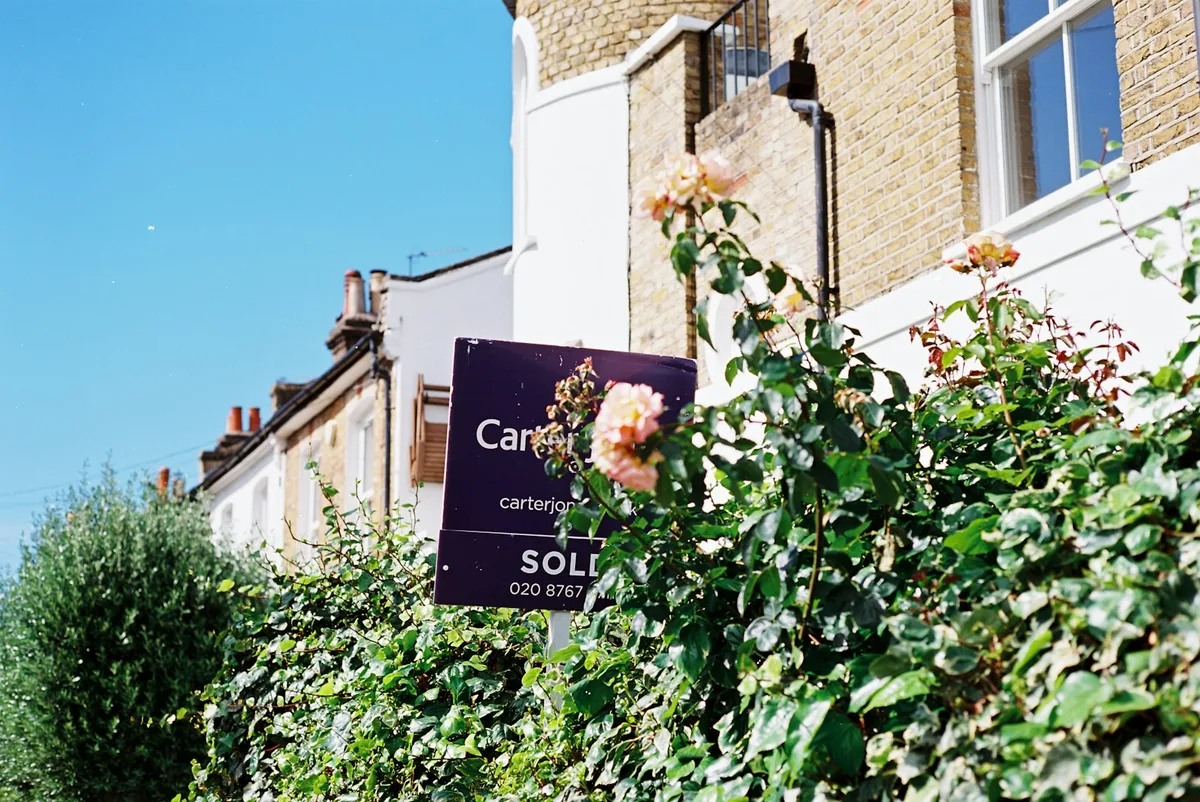
Unsplash - Bruce Barrow · original
In this article
House price growth across the UK slowed significantly in 2025, with annual increases falling to the lowest levels in years. Two main factors drove the slowdown: persistently elevated mortgage rates, which reduced what buyers could afford to borrow, and the end of temporary stamp duty reliefs, which increased upfront transaction costs. Together, these pressures dampened buyer demand, extended time-on-market for sellers, and shifted the balance away from the rapid price rises seen in earlier years.
Why Mortgage Rates Constrained Growth
Mortgage rates remained above 4.5% for most fixed-rate products throughout 2025, a sharp contrast to the sub-3% deals available in 2021 and 2022. According to the Bank of England, lenders priced mortgages against sustained base rate expectations, keeping borrowing costs elevated even as inflation eased (Bank of England, 2026).
Higher rates directly reduced affordability. A borrower able to afford a £250,000 mortgage at 3% would qualify for around £200,000 at 5%, assuming the same monthly payment budget. For first-time buyers already stretched by deposit requirements, this affordability squeeze limited how much they could bid, putting downward pressure on entry-level and mid-market property prices.
Remortgaging households faced a similar shock. Borrowers rolling off fixed deals taken at 1.5% to 2% found their monthly payments rising by hundreds of pounds when they renewed at 5% or higher, leaving less disposable income for moving up the property ladder. This reduced the number of active buyers in the market, slowing transaction volumes and price momentum.
The Stamp Duty Impact
Stamp duty changes compounded the rate effect. In England and Northern Ireland, the nil-rate threshold for first-time buyers reverted from the temporary £425,000 back to £300,000 in April 2025, and the overall nil-rate band dropped from £250,000 to £125,000 for all other buyers. According to GOV.UK, this added several thousand pounds to the upfront cost of buying a typical family home (GOV.UK, 2026).
For example, a buyer purchasing a £350,000 property who previously paid no stamp duty under the temporary relief suddenly owed over £7,000. Combined with a higher deposit requirement (as lenders tightened loan-to-value ratios) and elevated legal and survey fees, the total cash-to-complete rose sharply, pricing out marginal buyers and slowing demand at price points that had driven growth in 2023 and 2024.
Scotland and Wales, which set their own land transaction taxes, saw similar dynamics as their temporary reliefs also expired or narrowed, though the exact thresholds and rates differ by nation.
What This Means for Buyers and Sellers
Buyers gained more negotiating power in 2025 than they had in years. Properties stayed on the market longer, and sellers increasingly accepted offers below asking price. For buyers who could still afford the higher monthly payments and upfront costs, the slowdown created opportunities to negotiate and avoid bidding wars.
Sellers, by contrast, had to adjust expectations. Properties priced aggressively often sat unsold, while those priced realistically for the new affordability environment moved faster. Estate agents reported that realistic pricing and willingness to negotiate became essential to securing a sale within a reasonable timeframe.
Remortgaging households faced a straightforward trade-off: lock in a new fixed rate at current levels (around 4.5% to 5.5% for most products in 2025) or move to the lender’s standard variable rate, which typically ran higher and could rise further if the Bank of England raised rates again.
What to Consider Now
Affordability remains the key constraint. Before committing to a purchase or remortgage, use an online mortgage calculator to model your monthly payments at current rates, and factor in the full upfront costs, including stamp duty for your nation, legal fees, and survey costs. MoneyHelper provides free affordability guidance and tools to help estimate what you can realistically borrow and repay (MoneyHelper, 2026).
If you are buying, obtain an agreement in principle from an FCA-authorised lender early in your search. This confirms how much you can borrow and prevents you from viewing properties beyond your budget. If you are remortgaging, compare deals from multiple lenders at least three to six months before your current deal ends, as some lenders allow you to lock in a rate up to six months in advance.
Finally, remember that house price trends, mortgage rates, and stamp duty thresholds vary by location and can change quickly. What is affordable and realistic for your circumstances depends on your income, deposit, credit profile, and local market conditions. Speak to an FCA-authorised mortgage adviser for personalised guidance on your options and timing.
Disclaimer
This article provides general educational information about UK house price trends, mortgage rates, and stamp duty. It is not regulated mortgage advice, financial advice, or legal advice, and is not tailored to your personal circumstances. Refisage is not authorised by the Financial Conduct Authority (FCA). Your home may be repossessed if you do not keep up repayments on your mortgage. Mortgage rates, stamp duty thresholds, and eligibility criteria vary by lender, product, nation, and your individual situation. Always speak to an FCA-authorised mortgage adviser and verify current terms with a licensed lender or conveyancer before making any property or mortgage decision.
Sources
- Monetary Policy: The Interest Rate Bank Rate (accessed )
- Stamp Duty Land Tax (accessed )
- Buying a Home (accessed )
Related articles

How a Bank of England Rate Rise Could Affect Your Mortgage in the UK
Bank of England rate rises could add £450 yearly to tracker and variable rate mortgages. Find out if you're affected and what to do.

Bank of England Holds Interest Rates at 3.75%: What It Means for Mortgages and Savings in the UK
The Bank of England held rates at 3.75%. Discover what this means for your mortgage payments and savings account returns.
Two Lenders Hike Mortgage Rates Ahead of Bank of England Decision in the UK
Two UK lenders raised mortgage rates ahead of Thursday's Bank of England decision. Learn what this means for borrowers and how to respond.
