Mortgage Points vs. Cash for Closing Costs in the US: Which Should You Choose?
Deciding between buying mortgage points or keeping cash for closing costs depends on your break-even timeline, emergency reserves, and how long you plan to stay in the home.
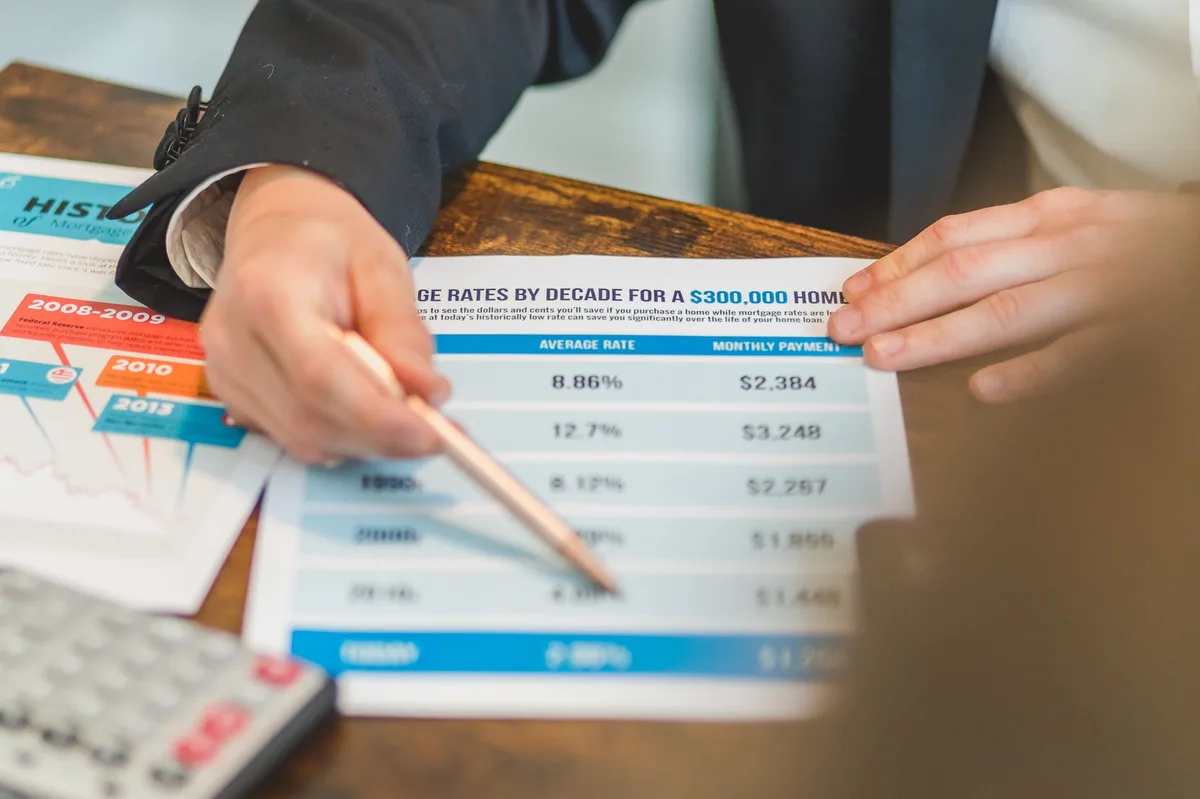
Pexels - RDNE Stock project · original
In this article
Key Takeaway
Buying mortgage points lowers your interest rate but depletes your cash reserves at closing, making sense only if you stay in the home long enough to recoup the upfront cost through lower monthly payments (typically 5 to 7 years). Keeping cash for closing costs preserves your emergency fund and flexibility, which is often the better choice for first-time buyers, those planning to move within a few years, or anyone with tight reserves after the down payment.
When you are finalizing a home purchase, you face a critical decision: should you pay extra upfront to buy discount points and lower your interest rate, or should you keep that cash to cover closing costs, build reserves, or handle unexpected expenses? Both paths have trade-offs, and the right choice depends on your timeline, financial cushion, and how long you plan to stay in the home.
According to the Consumer Financial Protection Bureau, mortgage points (also called discount points) are an upfront fee you pay to the lender in exchange for a reduced interest rate (CFPB, 2026). One point typically costs 1% of the loan amount and reduces your rate by about 0.25%, though the exact reduction varies by lender and market conditions. The fundamental trade-off, as covered in foundational finance texts such as Principles of Finance, is between paying more upfront to save over time versus preserving liquidity for near-term needs.
Comparison Summary
| Factor | Buy Mortgage Points | Keep Cash for Closing Costs |
|---|---|---|
| Upfront cost | Higher (1% of loan per point) | Lower (standard closing costs only) |
| Monthly payment | Lower (reduced interest rate) | Higher (standard rate) |
| Break-even timeline | 5 to 7 years on average | Immediate liquidity |
| Best for | Long-term homeowners, strong reserves | First-time buyers, short timelines, tight reserves |
| Risk | Lose benefit if you move or refinance early | Pay more interest over time |
Option 1: Buy Mortgage Points
What It Is
You pay the lender a percentage of the loan amount upfront (each point = 1% of the principal) in exchange for a permanent reduction in your interest rate. For example, on a $300,000 loan, one point costs $3,000 and might lower your rate from 6.5% to 6.25%.
Pros
Buying points delivers real savings if you hold the loan long enough. A 0.25% rate reduction on a $300,000 30-year fixed loan saves roughly $45 per month, or $540 per year. Over 10 years, that totals $5,400 in interest savings, well above the $3,000 upfront cost. Points are also tax-deductible in the year you buy them if you itemize, subject to IRS rules (IRS, Topic 505).
The interest savings compound over the life of the loan. The earlier you buy points, the more you benefit from the lower rate on a larger remaining balance.
Cons
The main downside is the break-even point. In the example above, you need about 67 months (just over 5.5 years) of lower payments to recover the $3,000 cost. If you sell, refinance, or pay off the loan before that, you lose money on the transaction.
Buying points also drains cash you might need for other purposes: emergency reserves, immediate home repairs, or moving costs. For first-time buyers especially, keeping a financial cushion matters more than marginal interest savings.
Option 2: Keep Cash for Closing Costs
What It Is
Instead of paying extra for points, you accept the lender’s standard interest rate and use your available cash to cover closing costs (appraisal, title insurance, origination fees, prepaid property taxes and insurance), build an emergency fund, or handle near-term expenses.
Read also: Closing Costs Explained and How to Reduce Them for US Buyers
Pros
Preserving cash gives you flexibility and security. Closing costs typically run 2% to 5% of the loan amount, and many buyers barely have enough to cover them plus the down payment. Keeping extra reserves protects you if the furnace fails, the roof leaks, or you lose income shortly after moving in.
This approach also makes sense if you expect to move, refinance, or pay off the loan within a few years. You avoid locking cash into a benefit you will not fully capture.
Cons
You pay a higher interest rate for the life of the loan, which means higher monthly payments and more total interest if you hold the mortgage for decades. On a $300,000 loan at 6.5% versus 6.25%, you pay roughly $16,200 more in interest over 30 years (though few borrowers hold a loan that long without refinancing or selling).
Who Should Choose Which Option
Buy mortgage points if:
- You plan to stay in the home for at least 7 years.
- You have strong cash reserves beyond the down payment and closing costs (at least 6 months of expenses).
- You are confident you will not refinance soon (refinancing restarts the break-even clock).
- You itemize deductions and can benefit from the immediate tax write-off.
Keep cash for closing costs if:
- You are a first-time buyer with limited reserves.
- You expect to move, refinance, or pay off the loan within 5 years.
- You need cash for repairs, furniture, or other immediate expenses.
- Your emergency fund is thin or nonexistent.
- You value liquidity over long-term interest savings.
Practical Example
Consider a first-time buyer purchasing a $350,000 home with a $280,000 loan (20% down). The lender offers 6.75% with no points, or 6.50% if the buyer pays one point ($2,800 upfront). The lower rate saves about $48 per month.
If the buyer plans to stay 10 years, the points make sense: $48 x 120 months = $5,760 in savings, minus the $2,800 cost, nets $2,960 in benefit. But if the buyer has only $8,000 in reserves after closing and the down payment, spending $2,800 on points leaves just $5,200 for emergencies. One major repair could wipe out that cushion. In this case, keeping the cash is the safer choice, even though it costs more in interest over time.
Conclusion
The decision hinges on your timeline and financial position. If you have strong reserves and plan to stay put for years, buying points can save thousands in interest and lower your monthly burden. But if you are stretching to afford the home, need liquidity, or might move soon, keep your cash. Mortgage financing is not just about the lowest rate; it is about maintaining stability and flexibility as you settle into homeownership.
This information is educational and general in nature, not personalized financial or lending advice. Mortgage points, closing costs, and eligibility vary by lender, loan program, and location. Consult a licensed loan officer or HUD-approved housing counselor for guidance specific to your situation. As of August 2026, interest rates and point pricing change daily; verify current terms with your lender before deciding.
Sources
- Consumer Tools: Mortgages (accessed )
- Owning a Home (accessed )
- Research and Insights (accessed )
- Principles of Finance (accessed )
Related articles
Closing Costs Explained: How US Home Buyers Can Reduce Fees
Closing costs typically run 2% to 5% of your home price. Learn what fees you'll pay and how to negotiate lower costs when buying in the US.

Closing Costs Breakdown: What You Actually Pay at a US Home Closing
Learn what closing costs include when buying or refinancing a home in the US, with a breakdown of typical fees and a real-world example.

How Mortgage Escrow Accounts Work in the US
Learn how mortgage escrow accounts work in the US, what they cover, and why lenders require them for property taxes and homeowners insurance.
