Home Equity Loan vs HELOC: Which Is Better for a Fall Renovation in the US
Comparing home equity loans and HELOCs for your renovation project, with guidance on fixed versus variable rates, costs, and which option fits your timeline and budget.
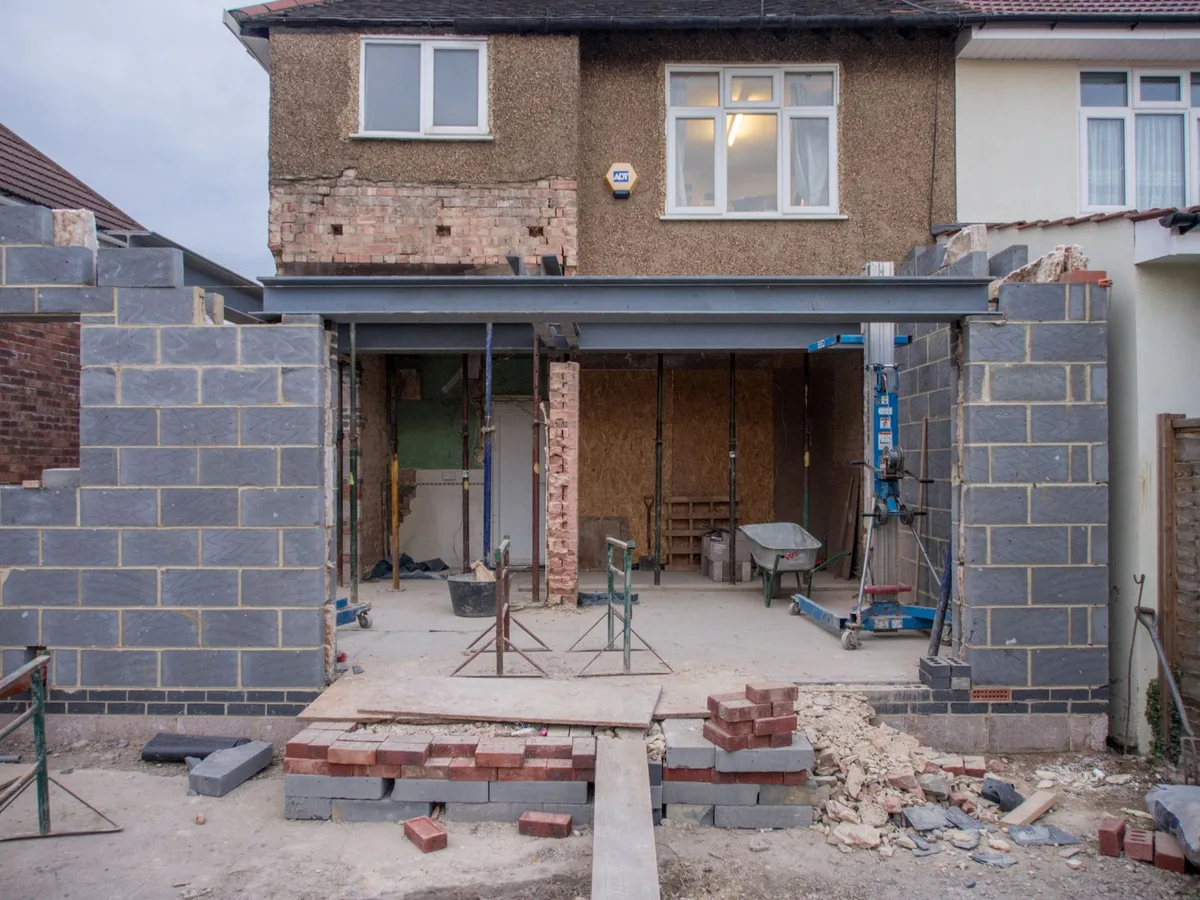
Pexels - Thirdman · original
In this article
Key Takeaway: A home equity loan delivers a lump sum with a fixed rate, ideal when you know your total renovation cost upfront and want predictable payments. A HELOC offers a revolving credit line with a variable rate, better when costs are uncertain or phased over months. For most fall renovations with a defined budget, a home equity loan provides stability, while a HELOC suits open-ended projects or staggered expenses.
Choosing Between a Home Equity Loan and a HELOC for Your Renovation
Planning a fall renovation means deciding how to pay for it. If you have built equity in your home, two common options are a home equity loan and a home equity line of credit (HELOC). Both let you borrow against your equity, but they work differently and fit different project types.
Understanding the structure, costs, and timing of each product helps you match the financing to your renovation plan and risk tolerance.
Home Equity Loan vs HELOC: Quick Comparison
| Feature | Home Equity Loan | HELOC |
|---|---|---|
| Funds | Lump sum at closing | Revolving credit line |
| Interest Rate | Fixed | Variable (typically) |
| Payment | Fixed monthly payment from day one | Interest-only during draw period, then full payments |
| Best For | Known total cost, single project | Phased work, uncertain costs |
| Rate Risk | None (locked in) | Rate can rise with market |
| Draw Period | N/A (one-time disbursement) | Typically 10 years |
| Repayment Period | 5 to 30 years | 10 to 20 years after draw closes |
How a Home Equity Loan Works
A home equity loan is a second mortgage that gives you a lump sum at closing. You repay it over a fixed term, usually 5 to 30 years, with a fixed interest rate. According to the Consumer Financial Protection Bureau, home equity loans are structured like traditional mortgages with predictable monthly payments (CFPB, 2026).
You receive the full amount upfront, whether you spend it immediately or not. Interest accrues on the entire balance from day one.
Pros:
- Fixed rate protects against rising interest rates
- Predictable monthly payments make budgeting straightforward
- Single closing, single disbursement
- Good for projects with a known total cost
Cons:
- You pay interest on the full amount even if you do not use it all right away
- Less flexibility if renovation costs come in lower than expected
- Requires another closing process and associated fees
How a HELOC Works
A HELOC is a revolving line of credit secured by your home. You can borrow, repay, and borrow again during the draw period (typically 10 years), similar to a credit card. Most HELOCs carry a variable interest rate tied to the prime rate, as covered in foundational texts such as Principles of Finance.
During the draw period, you usually make interest-only payments on what you actually borrow. After the draw period ends, the line closes and you enter the repayment period (often 10 to 20 years), during which you pay principal and interest.
Pros:
- Borrow only what you need, when you need it
- Interest charged only on the amount drawn
- Flexibility for phased projects (kitchen first, bathrooms later)
- Can reuse the line during the draw period
Cons:
- Variable rate can increase, raising your payments unpredictably
- Interest-only draw period can lead to payment shock when repayment starts
- Requires discipline to avoid overborrowing
- Less predictable total cost over time
Which Is Better for a Fall Renovation?
Choose a home equity loan if:
- Your contractor has given you a fixed bid and the total cost is clear
- You want a locked-in rate with no surprises
- The project will be completed in one phase
- You prefer the simplicity of one lump sum and one predictable payment
Read also: Cash-Out Refinance vs. Home Equity Loan in the US: Which Is Better
Choose a HELOC if:
- You are renovating in stages (roof this fall, siding next spring)
- Costs are uncertain or you may expand the scope mid-project
- You want to pay interest only on what you actually use
- You are comfortable with the risk of rising rates and can handle payment variability
For a single fall renovation with a contractor quote of, say, $40,000, a home equity loan is often the safer choice. You lock in a rate (as of October 2026, home equity loan rates average around 8 to 9 percent; rates change daily, verify current terms with a licensed lender before deciding), get the funds at closing, and pay the same amount each month.
If you are planning multiple projects over the next year and costs are harder to pin down, a HELOC provides more flexibility. You draw $15,000 for the kitchen now, $10,000 for the bathrooms in three months, and leave the rest of the line untapped until you need it.
Common Mistakes to Avoid
- Ignoring rate risk with a HELOC: A variable rate can climb. If the Federal Reserve raises rates, your HELOC payment can increase significantly. Budget conservatively and consider a rate cap if available.
- Borrowing the full lump sum when you do not need it: With a home equity loan, every dollar borrowed costs interest. Estimate your true cost carefully.
- Not comparing closing costs: Both products carry fees (appraisal, origination, title). HELOCs may have lower upfront costs but can include annual fees or minimum draw requirements.
- Overlooking tax implications: The IRS allows mortgage interest deductions only if the loan proceeds are used to buy, build, or substantially improve the home securing the loan. Confirm your renovation qualifies and consult a tax professional for your situation.
Frequently Asked Questions
Can I get both a home equity loan and a HELOC?
Yes, if you have enough equity and meet lender requirements. Some homeowners use a home equity loan for a large known expense and keep a HELOC for future or emergency needs. Combined loan-to-value limits still apply.
What credit score do I need?
Most lenders require a minimum credit score of 620 to 680 for home equity products, though requirements vary. Higher scores unlock better rates.
How much can I borrow?
Lenders typically allow a combined loan-to-value (CLTV) ratio of up to 80 to 90 percent, meaning your first mortgage plus the new equity product cannot exceed that percentage of your home’s appraised value. If your home is worth $300,000 and you owe $200,000, you may access $40,000 to $70,000 depending on the lender’s CLTV cap.
How long does approval take?
Home equity loans and HELOCs usually close in 2 to 6 weeks, depending on appraisal turnaround and underwriting. Plan ahead if you need funds by a specific start date.
Final Recommendation
For a defined fall renovation with a contractor bid in hand, a home equity loan offers the stability of a fixed rate and predictable payments. For projects that unfold over time or where costs remain uncertain, a HELOC provides the flexibility to draw only what you need. Weigh your renovation timeline, tolerance for rate changes, and budget certainty, then confirm current rates and terms with a licensed lender for your specific situation.
Financial Disclaimer: This article provides general educational information about home equity financing options in the United States and is not personalized financial, lending, or legal advice. Home equity loan and HELOC rates, eligibility, fees, and terms vary by lender, borrower credit profile, loan-to-value ratio, and geographic location. Interest rates change daily. Tax treatment depends on how you use the funds and your individual tax situation; consult a tax professional to confirm deductibility. Before choosing a product or borrowing against your home, verify current terms with a licensed lender and consider speaking with a HUD-approved housing counselor or financial advisor about your personal circumstances.
Sources
- Owning a Home (accessed )
- Mortgage Consumer Tools (accessed )
- Mortgages (accessed )
- Principles of Finance (accessed )
Related articles

Cash-Out Refinance vs. Home Equity Loan in the US: Which Is Better
Cash-out refinance or home equity loan? Compare rates, closing costs, and tax treatment to choose the best way to tap your home equity in the US.

HELOC vs. Cash-Out Refinance in the US: Which Fits Your Needs
HELOC or cash-out refinance? Compare rates, flexibility, costs, and terms to choose the right home equity product for your needs in the US.

Understanding HELOC Draw and Repayment Period Costs in the US
Calculate total interest on your HELOC through both draw and repayment periods. Understand how interest-only and principal-plus-interest payments affect costs.
