Conforming Loan Limits 2026: How They Affect Your Mortgage Options in the US
Understanding the 2026 conforming loan limits helps you choose between conventional and jumbo financing and potentially save thousands on your mortgage.

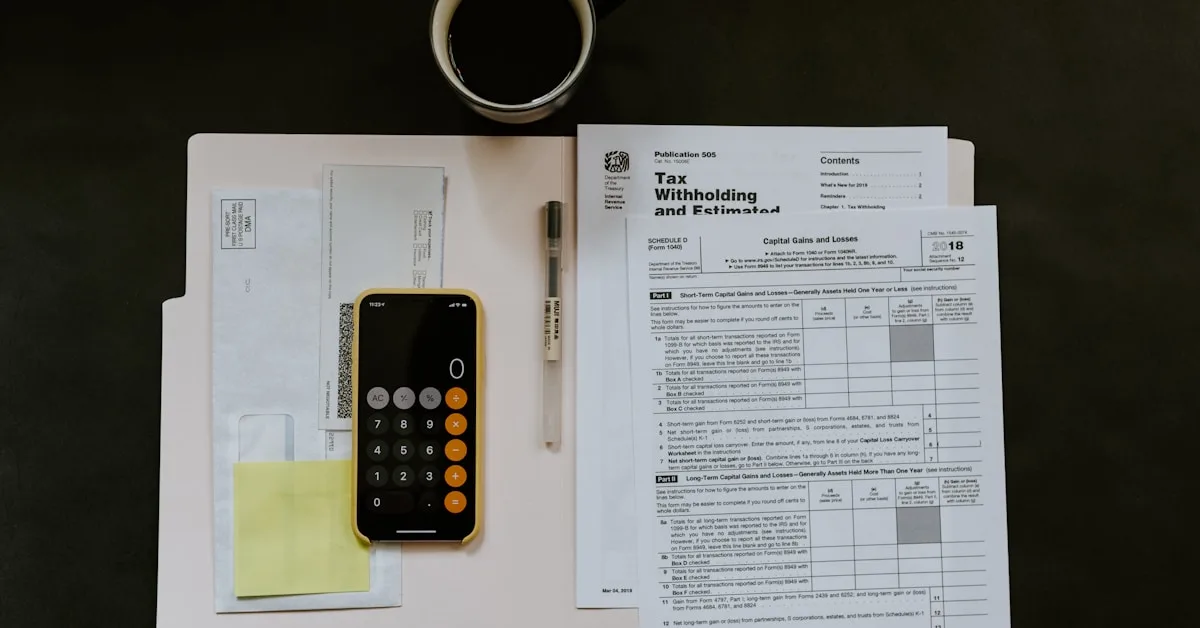
Unsplash - Unsplash License · original
In this article
Key Takeaway
Conforming loan limits for 2026 determine whether you qualify for a conventional loan backed by Fannie Mae and Freddie Mac, typically offering lower rates and smaller down payments, or must pursue jumbo financing with stricter requirements. The baseline limit is $828,200 for single-family homes in most US counties, with higher limits up to $1,242,300 in designated high-cost areas. Borrowers near these thresholds can save significantly on interest and closing costs by staying within conforming limits.
What Are Conforming Loan Limits?
Conforming loan limits are maximum dollar amounts set annually by the Federal Housing Finance Agency (FHFA) for mortgages that Fannie Mae and Freddie Mac can purchase or guarantee. These government-sponsored enterprises (GSEs) buy conforming loans from lenders, providing liquidity to the mortgage market and keeping rates competitive. Loans above these limits are classified as jumbo loans and follow different underwriting standards.
The FHFA adjusts limits each year based on changes in the national average home price, as measured by the FHFA House Price Index (FHFA, 2026). For 2026, the baseline conforming limit rose to $828,200 for single-family homes in standard-cost counties, up from $806,500 in 2025. High-cost areas, where median home values exceed 115 percent of the baseline, have limits up to $1,242,300.
Conforming vs. Jumbo Loans: Quick Comparison
| Feature | Conforming Loan | Jumbo Loan |
|---|---|---|
| Loan Amount | Up to $828,200 (baseline) or $1,242,300 (high-cost) | Above conforming limits |
| Interest Rate | Typically 0.25 to 0.50 percentage points lower | Higher due to added lender risk |
| Down Payment | As low as 3 percent (some programs) | Usually 10 to 20 percent minimum |
| Credit Score | 620 minimum for most programs | 700 or higher typically required |
| Debt-to-Income Ratio | Up to 50 percent with compensating factors | Usually capped at 43 to 45 percent |
| Reserves | Often not required or minimal | 6 to 12 months of payments common |
| PMI | Required if down payment under 20 percent | May be avoided with 20 percent down |
| Appraisal | Standard single appraisal | May require two appraisals |
Conforming Loans: Pros and Cons
Pros
Lower interest rates. Because Fannie Mae and Freddie Mac assume the credit risk, lenders offer conforming loans at rates typically 0.25 to 0.50 percentage points below jumbo rates. On a $750,000 loan, that difference saves roughly $11,000 in interest over five years.
Flexible down payment options. Conventional conforming loans allow down payments as low as 3 percent for first-time buyers through programs like Fannie Mae HomeReady and Freddie Mac Home Possible. Repeat buyers can put down 5 percent and still qualify.
Easier qualification. Conforming loans accept credit scores as low as 620 and debt-to-income ratios up to 50 percent when compensating factors like high cash reserves or stable employment are present.
Streamlined process. Lenders follow standardized underwriting guidelines set by the GSEs, making approval faster and more predictable. Automated underwriting systems often deliver decisions in minutes.
Cons
Borrowing ceiling. The primary limitation is the dollar cap. Buyers in high-cost metros like San Francisco or New York may find few properties within even the elevated limits, forcing them into jumbo territory.
Private mortgage insurance. If you put down less than 20 percent, you will pay PMI until you reach 20 percent equity, adding $50 to $150 monthly per $100,000 borrowed, depending on your credit score and down payment size.
Jumbo Loans: Pros and Cons
Pros
No upper limit. Jumbo loans accommodate any purchase price, making them the only option for luxury properties or homes in the most expensive markets.
Competitive rates for strong borrowers. Buyers with excellent credit (740-plus), large down payments (20 percent or more), and low debt-to-income ratios often secure jumbo rates within 0.125 to 0.25 percentage points of conforming rates.
No PMI with 20 percent down. Because jumbo lenders typically require at least 20 percent equity from the start, you avoid ongoing mortgage insurance premiums.
Read also: How FHA Loans Work and Who Qualifies in the US
Cons
Higher interest rates. For borrowers with moderate credit or smaller down payments, jumbo rates can run 0.50 to 0.75 percentage points above conforming rates. Over 30 years, that difference adds tens of thousands in interest.
Stricter qualification. Lenders impose tighter standards because they retain jumbo loans in portfolio rather than selling them to the GSEs. Expect minimum credit scores of 700, debt-to-income ratios capped at 43 percent, and requirements to document 6 to 12 months of mortgage payment reserves in liquid assets.
Larger down payment. While some lenders offer jumbo loans with 10 percent down, most require 15 to 20 percent, significantly increasing upfront cash needs. A $1 million home demands $150,000 to $200,000 at closing.
How High-Cost Area Limits Affect Your Options
The FHFA designates roughly 200 US counties as high-cost areas where the conforming limit reaches $1,242,300 (150 percent of the baseline). These include parts of California, New York, Massachusetts, Washington, Colorado, and Hawaii.
If you are buying in a high-cost county, you gain access to conforming financing for homes up to $1.24 million, preserving the lower rates and flexible underwriting that conforming loans offer. This advantage is substantial: a buyer in San Mateo County, California, can purchase a $1.2 million home with a conforming loan at 6.50 percent, while the same buyer in a standard-cost county would face a jumbo loan at 6.875 percent for a $950,000 property.
Check your county’s specific limit at the FHFA website before assuming you need jumbo financing. Some buyers mistakenly pursue jumbo loans when their purchase price falls within the local conforming cap.
Which Loan Type Fits Your Profile?
Choose a conforming loan if:
- Your purchase price falls within your county’s 2026 limit
- You prefer a smaller down payment (3 to 10 percent)
- Your credit score is in the 620 to 740 range
- You want the lowest possible interest rate
- You value faster, more predictable approval
Choose a jumbo loan if:
- Your purchase price exceeds the conforming limit for your area
- You can comfortably put down 15 to 20 percent
- Your credit score is 700 or higher and your debt-to-income ratio is below 43 percent
- You have substantial cash reserves (six months or more of payments)
Borderline buyers: If your target price is within $50,000 of the conforming limit, seriously consider adjusting your search downward or increasing your down payment to stay conforming. The rate savings and easier qualification often outweigh the appeal of a slightly larger home.
Conclusion
The 2026 conforming loan limits shape your mortgage options by determining access to the favorable terms that Fannie Mae and Freddie Mac backing provides. Staying within the $828,200 baseline limit, or up to $1,242,300 in high-cost counties, typically delivers lower rates, smaller down payments, and streamlined approval compared to jumbo financing. Buyers near the threshold should weigh the long-term cost difference carefully. Rates, limits, and program availability vary by lender and location; consult a licensed loan officer to confirm current conforming limits for your county and compare personalized rate quotes for both conforming and jumbo scenarios before committing to a purchase price.
Financial Disclaimer: This article provides general educational information about mortgage products and conforming loan limits in the United States. It is not personalized financial, lending, or legal advice. Conforming loan limits, interest rates, down payment requirements, and qualification standards vary by program, lender, and location, and change over time. Verify current limits for your county with the Federal Housing Finance Agency or a licensed lender. Consult a licensed mortgage professional or housing counselor for guidance tailored to your specific financial situation before making borrowing decisions.
Sources
- FHFA Housing Data and Loan Limits (accessed )
- Fannie Mae Research and Insights (accessed )
- Freddie Mac Research (accessed )
Related articles
Conforming Loan Limits in 2026: How They Affect Your Mortgage Options in the US
Conforming loan limits for 2026 determine whether you qualify for standard mortgage rates or need a jumbo loan. Learn how these limits work.
Jumbo Versus Conforming Loans in the US: Where the Limits Bite
Jumbo loans exceed Fannie Mae and Freddie Mac conforming limits. Learn where the threshold falls and how it affects rates, down payments, and qualification.
Jumbo Mortgage Loans in the US: Qualifying Requirements and Current Rates
Jumbo loans finance homes above conforming limits but require higher credit scores, larger down payments, and lower debt ratios than standard mortgages.
