FHA Loan vs. Conventional Mortgage: Which Is Right for First-Time Buyers in the US
First-time buyers in the US typically choose between FHA loans (3.5% down, easier credit standards) and conventional mortgages (higher credit requirements, lower costs with 20% down). Your best option depends on your credit score, down payment savings, and how long you plan to stay in the home.

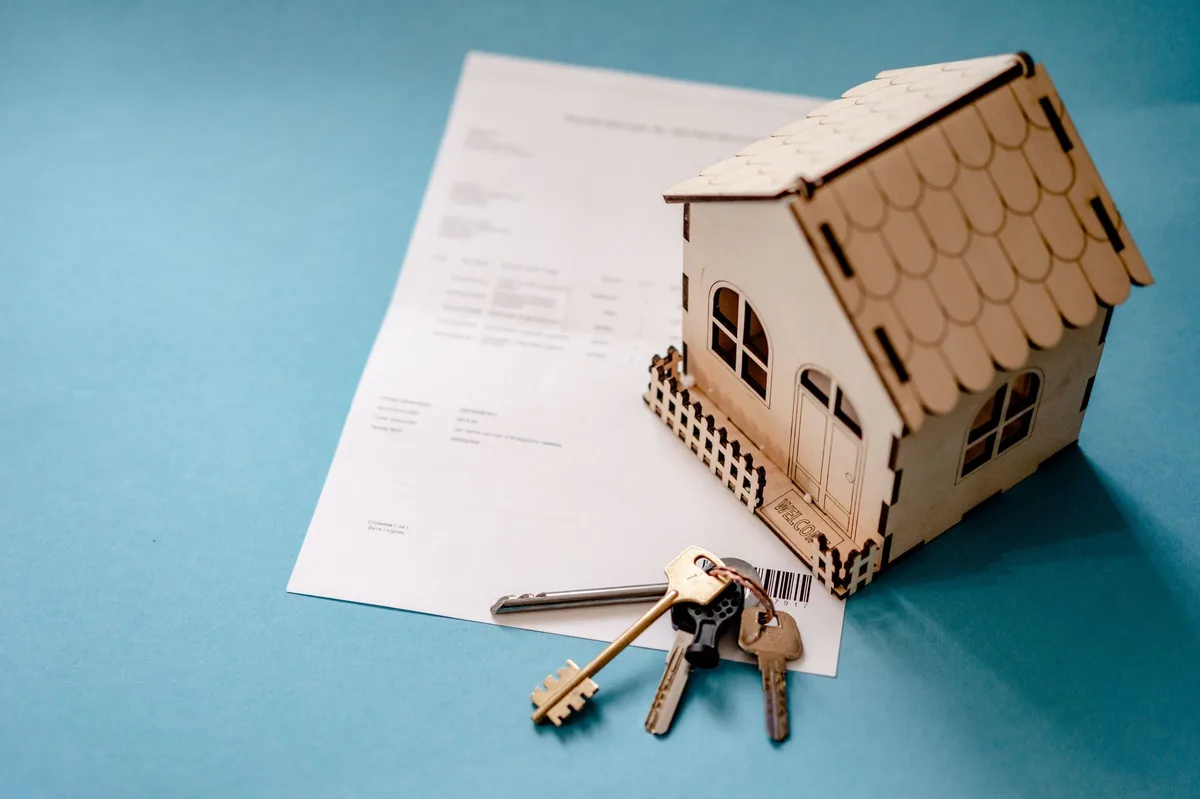
Pexels - RDNE Stock project · original
In this article
Key Takeaway
FHA loans require just 3.5% down and accept credit scores as low as 580, making them accessible for buyers with limited savings or rebuilding credit. Conventional mortgages demand higher credit scores (typically 620 or above) and stronger finances, but eliminate mortgage insurance once you reach 20% equity and often cost less over the life of the loan. Your best choice depends on your current credit profile, down payment savings, and how long you plan to own the home.
Introduction
First-time home buyers in the United States face a fundamental choice: apply for an FHA loan backed by the Federal Housing Administration, or pursue a conventional mortgage backed by Fannie Mae or Freddie Mac. Both loan types serve millions of buyers each year, but they differ sharply in down payment requirements, credit standards, mortgage insurance costs, and long-term affordability. According to the U.S. Department of Housing and Urban Development, FHA loans remain the leading option for buyers with smaller down payments or credit challenges (HUD, 2026).
This comparison examines the core trade-offs between FHA and conventional mortgages and matches each loan type to specific buyer profiles.
FHA vs. Conventional: Side-by-Side Comparison
| Feature | FHA Loan | Conventional Loan |
|---|---|---|
| Minimum down payment | 3.5% (credit score 580+) or 10% (credit score 500-579) | 3% to 5% (first-time buyer programs) or 5% to 20% (standard) |
| Credit score requirement | 580 for 3.5% down, 500 for 10% down | Typically 620 minimum, 740+ for best rates |
| Upfront mortgage insurance | 1.75% of loan amount (can be rolled into loan) | None |
| Monthly mortgage insurance | 0.45% to 1.05% annual premium, often for loan life | PMI: 0.3% to 1.5% annual, cancels at 20% equity |
| Loan limits (2026) | Varies by county, up to $1,149,825 in high-cost areas | Conforming limit: $806,500 (higher in expensive counties) |
| Debt-to-income ratio | Up to 50% (sometimes higher with compensating factors) | Typically 43% to 50% |
| Property standards | Must meet HUD minimum property standards | Standard appraisal required |
| Best for | Buyers with limited down payment or credit scores below 640 | Buyers with strong credit (680+) and larger down payments |
FHA Loans: Easier Entry, Higher Long-Term Costs
FHA loans carry the backing of the Federal Housing Administration, which insures lenders against borrower default. This federal guarantee lets lenders accept higher risk, translating to relaxed credit and income standards for buyers.
Advantages
Lower barriers to entry. You can qualify with a credit score as low as 580 and just 3.5% down. Even buyers with recent bankruptcies or foreclosures may qualify after waiting periods (two years for bankruptcy, three years for foreclosure in many cases).
Flexible debt-to-income ratios. FHA underwriting permits debt-to-income ratios up to 50%, and sometimes higher with strong compensating factors such as significant cash reserves or a history of paying higher rent than the proposed mortgage payment.
Smaller down payment. A 3.5% down payment on a $350,000 home is $12,250, compared to $17,500 for a 5% conventional down payment or $70,000 for the 20% that eliminates private mortgage insurance.
Disadvantages
Mandatory mortgage insurance for the life of the loan. FHA loans require an upfront mortgage insurance premium of 1.75% of the loan amount, plus an annual premium that ranges from 0.45% to 1.05% depending on loan term, loan-to-value ratio, and base loan amount. For loans with less than 10% down, this annual premium remains in place for the entire loan term. The only way to remove it is to refinance into a conventional loan once you build enough equity and your credit improves.
Stricter property standards. FHA appraisers enforce HUD minimum property standards. Homes with defects like peeling paint, damaged roofing, or faulty systems may require repairs before closing, which can delay the transaction or kill deals on fixer-uppers.
Loan limits. FHA loan limits vary by county but cap lower than jumbo loan thresholds. In many moderate-cost areas, the 2026 FHA limit is $498,257, which may exclude higher-priced homes.
Conventional Loans: Higher Standards, Lower Costs
Conventional mortgages are not government-insured. Fannie Mae and Freddie Mac purchase these loans from lenders, setting the underwriting standards. Because there is no federal default insurance, lenders demand stronger financial profiles.
Advantages
Mortgage insurance cancels at 20% equity. Once your loan balance drops to 80% of the home’s value (either through payments or appreciation), private mortgage insurance (PMI) falls off automatically or can be requested for cancellation. This sharply reduces your monthly payment.
Lower total costs for well-qualified buyers. Borrowers with credit scores above 740 and down payments of 10% or more often secure lower interest rates than FHA loans, and they avoid the upfront 1.75% mortgage insurance premium.
Higher loan limits. The 2026 conforming loan limit is $806,500 in most counties (and higher in expensive areas), giving buyers access to pricier homes without entering jumbo loan territory.
No property condition restrictions beyond standard appraisal. Conventional appraisers do not enforce the same strict repair standards as FHA, making it easier to buy homes that need cosmetic work.
Disadvantages
Stricter credit and income requirements. Most lenders require credit scores of at least 620, and the best rates go to borrowers with scores of 740 or higher. Debt-to-income ratios above 43% may trigger additional scrutiny or higher rates.
Read also: FHA vs Conventional Loans for First-Time Buyers
Larger down payment for competitive terms. While 3% down conventional loans exist for first-time buyers, a 20% down payment is needed to avoid PMI altogether. Borrowers putting down less than 20% pay PMI, which can be comparable to or higher than FHA mortgage insurance premiums depending on credit score.
Higher PMI for lower credit scores. Conventional PMI premiums are risk-based. A buyer with a 640 credit score and 5% down may pay PMI rates approaching FHA levels, eroding the conventional loan’s cost advantage.
Which Loan Type Fits Your Profile
Choose an FHA loan if:
- Your credit score is below 640.
- You have limited savings and can only manage a 3.5% down payment.
- Your debt-to-income ratio is high (above 45%) but you have stable income.
- You plan to refinance within five to seven years as your credit and equity improve.
Choose a conventional loan if:
- Your credit score is 680 or higher.
- You can put down 10% to 20% and want to eliminate or minimize mortgage insurance.
- You are buying in a market where home prices exceed FHA loan limits.
- You plan to stay in the home long-term and want to minimize total interest and insurance costs.
As covered in foundational texts such as Principles of Finance, the choice of financing structure affects both monthly cash flow and long-term wealth accumulation through interest and insurance costs.
Frequently Asked Questions
Can I switch from an FHA loan to a conventional loan later?
Yes. Once you build at least 20% equity and your credit score improves (typically to 680 or above), you can refinance from an FHA loan into a conventional mortgage to eliminate the ongoing mortgage insurance premium.
Do FHA loans have higher interest rates than conventional loans?
Not always. FHA rates are often competitive with or lower than conventional rates for borrowers with credit scores below 680. However, the mandatory mortgage insurance premiums make the effective cost higher over time.
Can I use an FHA loan to buy a fixer-upper?
Standard FHA loans require the home to meet HUD minimum property standards at closing. For homes needing significant repairs, the FHA 203(k) rehab loan allows you to finance both the purchase and renovation costs in a single mortgage.
Conclusion
FHA loans open the door to homeownership for buyers who cannot meet the stricter credit and down payment standards of conventional financing, but the trade-off is higher long-term costs from permanent mortgage insurance. Conventional mortgages reward strong credit and larger down payments with lower overall costs and the ability to cancel mortgage insurance. According to the Consumer Financial Protection Bureau, understanding these differences before you apply helps you choose the loan structure that aligns with your current finances and future plans (CFPB, 2026). For personalized guidance, consult a HUD-approved housing counselor or a licensed loan officer who can analyze your specific credit profile, income, and down payment to recommend the best fit.
Educational purposes only. This article provides general information about FHA and conventional mortgage loan types and is not personalized financial or lending advice. Loan terms, interest rates, qualification standards, and insurance premiums vary by lender, credit profile, and location. Confirm current program guidelines and rates with a licensed mortgage lender before making financing decisions.
Sources
- Buying a Home (accessed )
- Owning a Home (accessed )
- Fannie Mae Home Loans (accessed )
- Principles of Finance (accessed )
Related articles

Buying a Home with Bad Credit in the US: FHA Limits and What Lenders Still Require
FHA loans accept credit scores as low as 500, but most lenders set minimums at 580 or higher. Compare FHA, conventional, and repair-first strategies.
FHA Loan vs. Conventional Mortgage: Which Is Better for Your Credit Score and Down Payment in the US
FHA loans accept lower credit scores and 3.5% down, but carry lifetime mortgage insurance. Conventional loans require higher credit but offer lower long-term costs.

FHA vs Conventional Loans for First-Time Buyers
Compare FHA and conventional loans for first-time home buyers: down payments, credit scores, mortgage insurance, and which option fits your situation.
