VA Home Loans Explained for Veterans and Active Service Members in the US
Discover how VA home loans help veterans and active military buy homes with zero down payment, no PMI, and competitive rates backed by the Department of Veterans Affairs.

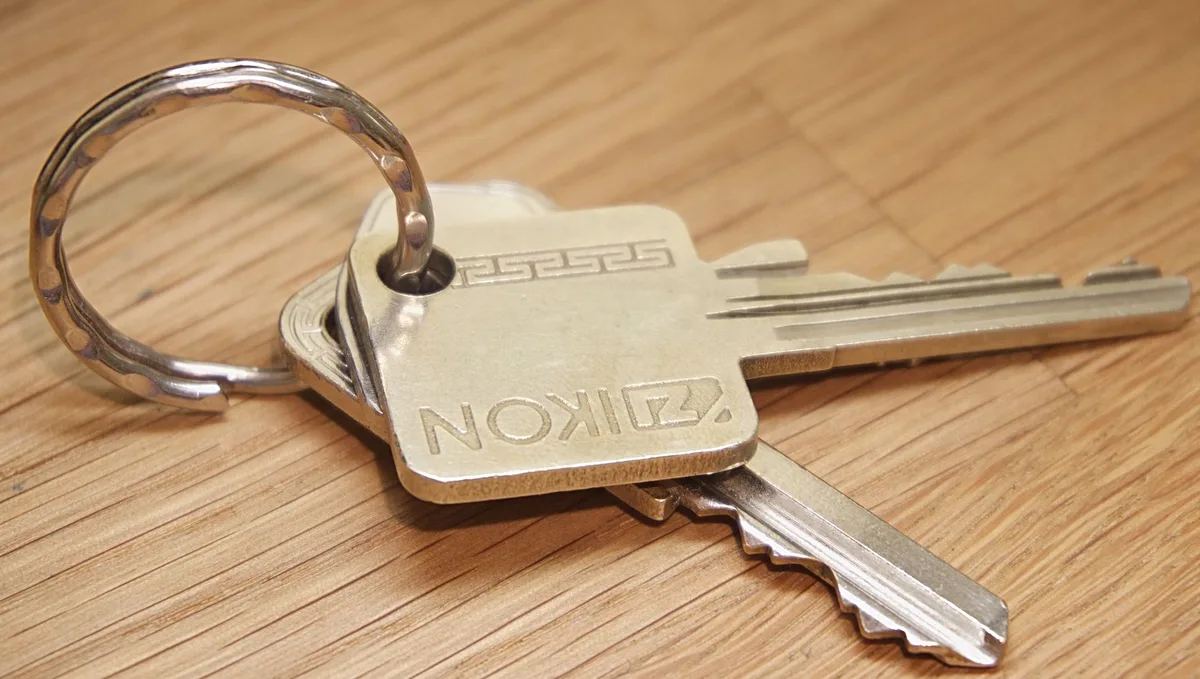
Pexels - Curtis Adams · original
In this article
Key Takeaway: VA home loans, backed by the Department of Veterans Affairs, allow eligible veterans, active service members, and qualifying spouses to buy homes with zero down payment, no private mortgage insurance (PMI), and competitive interest rates. These loans offer significant financial advantages over conventional mortgages, including lower closing costs and more flexible credit requirements, making homeownership more accessible to those who served.
Introduction
VA home loans represent one of the most valuable benefits available to U.S. military service members, veterans, and their families. Established in 1944 as part of the GI Bill, the VA loan program has helped millions of military families achieve homeownership. According to the U.S. Department of Veterans Affairs, these loans are designed to remove common barriers to homeownership by eliminating the need for a down payment and private mortgage insurance. Understanding how VA loans work and what they offer can help eligible borrowers make informed decisions about their home financing options.
As covered in foundational texts such as Principles of Finance, loan guarantee programs reduce lender risk while expanding access to credit for specific populations. The VA loan program exemplifies this principle by protecting lenders against default while offering service members terms that would be difficult to obtain through conventional financing.
1. Zero Down Payment Required
The most significant advantage of VA loans is the ability to finance 100% of a home’s purchase price. Unlike conventional loans that typically require 3% to 20% down, eligible borrowers can buy a home with no money down. This benefit helps service members who may not have accumulated substantial savings, particularly those transitioning from active duty or early in their careers. The VA guarantee to the lender makes this possible without exposing borrowers to punitive interest rates.
2. No Private Mortgage Insurance (PMI)
Conventional loans with less than 20% down payment require PMI, which can add $100 to $300 or more per month to your payment. VA loans eliminate this cost entirely, regardless of down payment size. This savings compounds over time, potentially saving borrowers tens of thousands of dollars over the life of the loan. The absence of PMI makes monthly payments significantly more affordable compared to FHA loans, which require both upfront and annual mortgage insurance premiums.
3. Competitive Interest Rates
VA loans consistently offer interest rates lower than conventional mortgages. Because the VA guarantees a portion of the loan (typically 25% of the loan amount), lenders face reduced risk and pass those savings to borrowers through lower rates. According to the Consumer Financial Protection Bureau, even a quarter-point difference in interest rate can translate to thousands of dollars in savings over a 30-year term. As of September 2026, VA rates remain competitive; verify current terms with VA-approved lenders before deciding.
4. Flexible Credit Requirements
VA loans are more forgiving of credit challenges than conventional financing. While the VA itself does not set a minimum credit score, most VA-approved lenders accept scores as low as 580 to 620, significantly lower than the 620 to 740 range typically required for conventional loans. Veterans with past credit issues, including previous foreclosures or bankruptcies, may still qualify after specific waiting periods. Lenders evaluate the full credit picture rather than relying solely on score cutoffs.
5. Limited Closing Costs and Seller Concessions
The VA limits what closing costs borrowers can pay and prohibits certain lender fees entirely. Sellers can contribute up to 4% of the purchase price toward the buyer’s closing costs, points, and prepaid items, reducing out-of-pocket expenses at closing. The VA funding fee (a one-time charge that ranges from 1.25% to 3.3% of the loan amount depending on service category and down payment) can be rolled into the loan amount, eliminating the need for upfront cash.
Read also: VA Home Loans Explained for Veterans and Active Service Members in the US
6. Reusability and No Lifetime Limit
Borrowers can use their VA loan benefit multiple times throughout their lives. After selling a home and paying off the VA loan, full entitlement is restored for future purchases. Service members can even have multiple VA loans simultaneously in certain situations, such as buying a home in a new duty station while retaining a property at a previous location. There is no maximum number of times you can use the benefit.
7. Assumability Feature
VA loans are assumable, meaning qualified buyers can take over your existing VA loan (including its interest rate and terms) when you sell. This feature becomes particularly valuable in rising-rate environments. If you secured a 3.5% rate and rates have since climbed to 6%, a buyer assuming your loan retains that lower rate, making your property more attractive and potentially commanding a higher sale price. The assuming buyer must qualify with the lender and receive VA approval.
8. Eligibility Requirements
According to the U.S. Department of Veterans Affairs, eligibility extends to active-duty service members (90 consecutive days during wartime or 181 days during peacetime), veterans (with minimum service requirements based on service dates), National Guard and Reserve members (six years of service), and surviving spouses of service members who died in service or from service-connected disabilities. Obtain your Certificate of Eligibility (COE) through the VA before starting your home search; most lenders can help you request it electronically.
9. Property Requirements and Restrictions
VA loans require properties to meet minimum property requirements (MPRs) ensuring the home is safe, structurally sound, and sanitary. A VA-approved appraiser inspects the property and certifies it meets these standards. Investment properties and vacation homes do not qualify; the borrower must intend to occupy the property as their primary residence. Condominiums must be in VA-approved projects. These requirements protect borrowers from purchasing properties with significant defects.
10. Native American Direct Loan (NADL) Program
A specialized VA loan option exists for eligible Native American veterans purchasing, building, or improving homes on Federal Trust Land. The NADL provides direct loans from the VA rather than through private lenders, addressing the unique challenges of financing homes on tribal lands where conventional lenders typically cannot secure standard mortgages. This program extends the VA benefit to veterans who might otherwise face barriers to homeownership in their communities.
Conclusion
VA home loans offer unmatched benefits for eligible service members and veterans, combining zero down payment, no PMI, competitive rates, and flexible qualification standards that significantly lower the barriers to homeownership. If you qualify for VA loan benefits, contact a VA-approved lender to discuss your specific situation, obtain your Certificate of Eligibility, and get pre-approved before beginning your home search. Working with lenders experienced in VA financing ensures you maximize these hard-earned benefits and navigate the process efficiently.
Financial Disclaimer: This article provides general educational information about VA home loans and is not personalized financial, lending, or legal advice. Loan eligibility, terms, rates, and availability vary by lender, service category, and individual circumstances. VA loan benefits and requirements are subject to change. Verify current program details, interest rates, and your personal eligibility with a VA-approved lender and consult the Department of Veterans Affairs before making financing decisions. Consider speaking with a HUD-approved housing counselor for guidance specific to your situation.
Sources
- VA Home Loans (accessed )
- Owning a Home (accessed )
- Buying a Home (accessed )
- Principles of Finance (accessed )
Related articles
VA Home Loans Explained for Veterans and Active Service Members in the US
VA home loans offer veterans and active military zero down payment, no PMI, and competitive rates. Learn eligibility, benefits, and how to apply.
USDA Home Loans: Zero-Down Mortgages for Rural and Suburban Buyers in the US
USDA home loans offer 0% down payment for rural and suburban buyers. Learn eligibility, income limits, and how to qualify in the US.
VA Loan Eligibility Requirements for Veterans in the US
VA loan eligibility in 2026: service requirements, Certificate of Eligibility, credit standards, and property criteria for veterans buying a home.
