VA Loan Eligibility Requirements for Veterans in the US (2026 Guide)
Learn who qualifies for a VA home loan in 2026, from service requirements to credit standards and how to get your Certificate of Eligibility.

Unsplash - Sasun Bughdaryan · original
In this article
Key Takeaway
VA loans are available to active-duty service members, veterans, National Guard and Reserve members who meet minimum service requirements, and qualifying surviving spouses. You need a Certificate of Eligibility (COE) from the VA, sufficient income to cover the mortgage payment, and a credit profile acceptable to your lender (typically a 620+ credit score, though the VA itself sets no minimum). The property must meet VA appraisal standards and serve as your primary residence.
Who Qualifies for a VA Loan
VA loans offer zero-down-payment financing backed by the U.S. Department of Veterans Affairs. Eligibility depends on your service history, financial standing, and the property you intend to buy.
According to the U.S. Department of Veterans Affairs, eligibility categories include active-duty service members, veterans with qualifying discharge status, certain National Guard and Reserve members, and surviving spouses of service members who died in the line of duty or from service-connected disabilities (VA, 2026).
Service Requirements
Active Duty: You qualify after 90 consecutive days of active service during wartime, or 181 days during peacetime. If you are currently serving, you can apply with at least 90 days of continuous active duty.
Veterans: You need at least 24 months of continuous active duty, or the full period for which you were called or ordered to active duty (minimum 90 days during wartime). An honorable or general discharge is required; other-than-honorable discharges typically disqualify you.
National Guard and Reserve: Members qualify after six years of service in the Selected Reserve or National Guard, or after 90 days of active duty (including at least 30 consecutive days) if you were discharged due to a service-connected disability.
Surviving Spouses: You may qualify if your spouse died in service or from a service-connected disability, you have not remarried (or remarried after age 57), and you receive Dependency and Indemnity Compensation.
Credit and Financial Standards
The VA does not set a minimum credit score, but most lenders require a FICO score of at least 620 for VA loan approval. Lenders evaluate your full credit profile, including payment history, outstanding debt, and any bankruptcies or foreclosures.
Debt-to-Income Ratio: Lenders typically want your total monthly debt payments (including the new mortgage) to stay below 41 percent of your gross monthly income, though exceptions are possible with strong compensating factors like significant cash reserves or a high residual income.
Residual Income: The VA requires residual income, the amount left after subtracting debts and estimated living expenses from your gross income. Minimum residual income thresholds vary by family size, loan amount, and region. This standard ensures you can cover the mortgage and still afford daily living costs.
Income Verification: You must demonstrate sufficient, stable income to repay the loan. Lenders review pay stubs, tax returns, W-2s, and employment history (typically two years).
Certificate of Eligibility (COE)
You must obtain a Certificate of Eligibility from the VA before closing. The COE confirms your service meets VA standards and shows your available entitlement (the amount the VA will guarantee).
Read also: VA Home Loans Explained for Veterans and Active Service Members in the US
You can request your COE online through the VA’s eBenefits portal, through your lender (who can often pull it electronically), or by mailing VA Form 26-1880 with your discharge papers (DD Form 214 or equivalent service documentation).
Most veterans receive full entitlement, which means no loan limit applies as long as the lender approves the loan amount. If you have used your VA loan benefit before and have not sold the prior property or paid off the loan, your remaining entitlement may be partial.
Property Requirements
The home must meet VA Minimum Property Requirements (MPRs) and serve as your primary residence. The VA requires the property to be safe, structurally sound, and sanitary. A VA-approved appraiser inspects the home to ensure it meets these standards.
Eligible property types include single-family homes, condos (in VA-approved projects), townhouses, and manufactured homes that meet HUD standards and are permanently affixed to land you own. Investment properties and vacation homes do not qualify.
Summer 2026 Considerations
As of mid-2026, VA loan limits for zero-down financing no longer apply to veterans with full entitlement, regardless of the property price, as long as the lender approves the loan amount and the veteran qualifies financially. However, lenders may impose their own limits based on secondary-market guidelines.
The VA funding fee (a one-time charge that helps sustain the program) remains in effect for most borrowers. First-time use is 2.15 percent for zero down, 1.5 percent with a 5 percent down payment, and 1.25 percent with 10 percent down. Subsequent use costs 3.3 percent for zero down. Veterans receiving VA disability compensation and surviving spouses are exempt from the funding fee.
Verify current rates and program details with a VA-approved lender before committing, as interest rates change daily and individual lender overlays (requirements stricter than VA minimums) vary.
Next Steps
Check your discharge status and service dates against VA eligibility standards. Request your COE online or through a VA-approved lender. Compare lenders to find competitive rates and minimal overlays (some lenders accept lower credit scores or higher debt ratios than others). Get pre-approved to confirm your buying power before making an offer.
Consult a licensed loan officer experienced with VA loans for guidance specific to your service record, financial situation, and local real estate market.
Financial Disclaimer: This article provides general educational information about VA loan eligibility requirements and does not constitute personalized financial, lending, or legal advice. Eligibility criteria, loan limits, funding fees, interest rates, and lender requirements change and vary by lender, location, and individual circumstances. Consult a licensed VA-approved loan officer and verify current program terms with the U.S. Department of Veterans Affairs before making home financing decisions.
Sources
- VA Home Loans (accessed )
- Owning a Home (accessed )
- Buying a Home (accessed )
Related articles
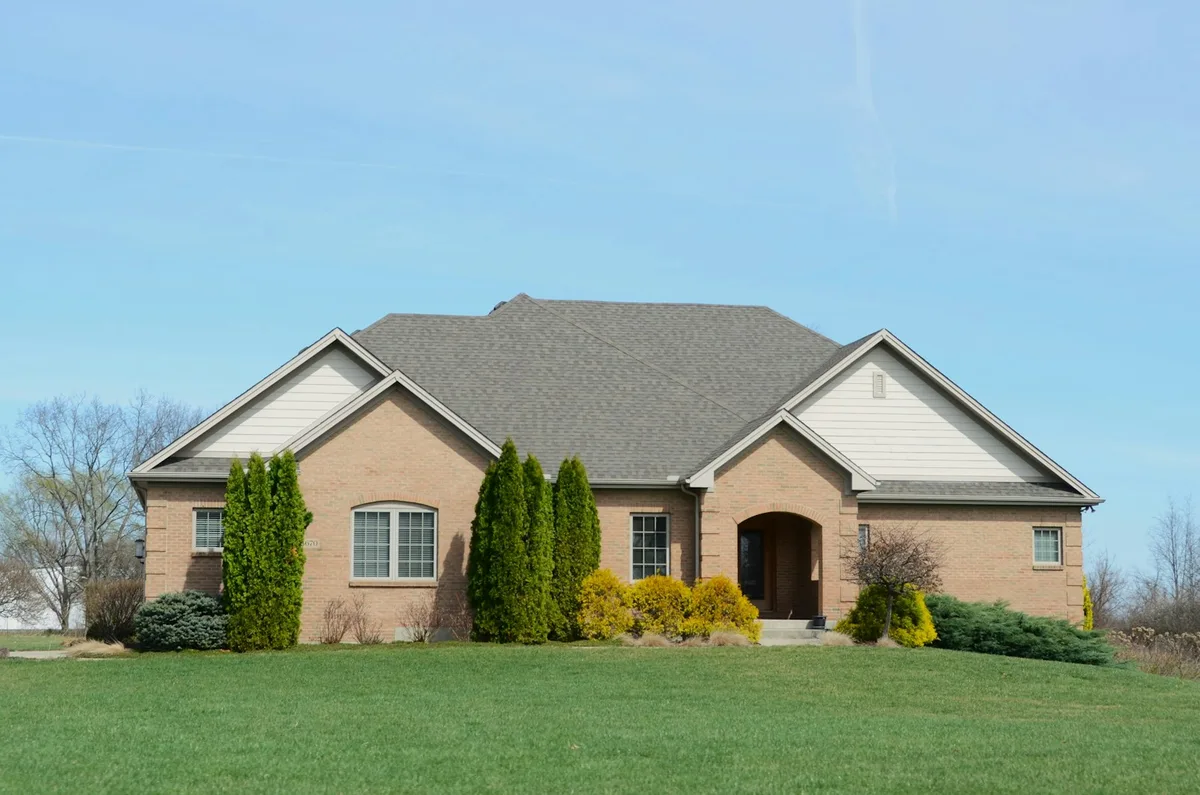
VA Loan Eligibility Requirements for Veterans in the US
VA loan eligibility in 2026: service requirements, Certificate of Eligibility, credit standards, and property criteria for veterans buying a home.
Buying a Home with Bad Credit in the US: FHA Limits and What Lenders Still Require
FHA loans accept credit scores as low as 500, but most lenders set minimums at 580 or higher. Compare FHA, conventional, and repair-first strategies.
Jumbo Mortgage Loans in the US: Qualifying Requirements and Current Rates
Jumbo loans finance homes above conforming limits but require higher credit scores, larger down payments, and lower debt ratios than standard mortgages.
