New Construction Loans in the US: Draws, Inspections, and the Rate Lock Problem
A construction loan for a newly built home pays the builder in stages as work progresses, not all at once. Understand how draws, inspections, and rate lock timing affect your costs and closing.
Pexels - D Goug · original
In this article
Key Takeaway
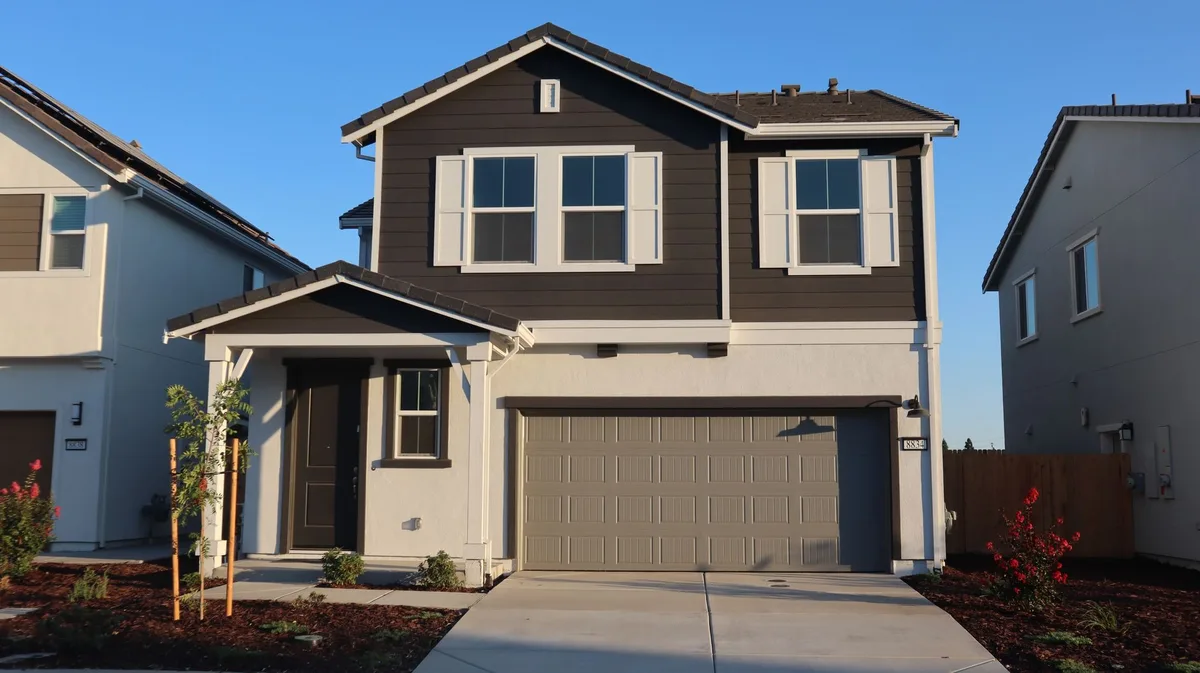
A new construction loan finances a home that is being built, not one that already exists. The lender pays the builder in stages (draws) as construction progresses, with each draw triggered by a passing inspection. The biggest risk for buyers is the rate lock problem: if your interest rate lock expires before the home is finished, you may face a higher rate and larger monthly payment when you finally close.
How Construction Loans and Draws Work
When you finance a newly built home, your lender does not hand the builder a lump sum at closing. Instead, the loan funds are released in stages called draws, tied to specific construction milestones. According to the Consumer Financial Protection Bureau, this staged funding protects both the lender and the buyer by ensuring the builder gets paid only for work that has been completed (CFPB, 2026).
A typical draw schedule might include four to six stages: foundation completion, framing and roof, rough plumbing and electrical, drywall and interior finishes, final fixtures, and final walkthrough. The builder requests each draw after reaching a milestone, and the lender orders an inspection before releasing funds.
During construction, you typically pay interest only on the amount drawn so far, not the full loan amount. Once the home is finished and you close, the construction loan converts to a permanent mortgage (a construction-to-permanent loan), or you refinance into a standard mortgage if you used a standalone construction loan.
Inspections Gate Every Draw
Each time the builder requests a draw, the lender sends an inspector to verify the work has been completed to the required standard. The inspector checks that the milestone matches the contract specifications and that no major defects are present. If the work passes, the lender releases the next payment to the builder. If the inspection fails, the builder must correct the issues before resubmitting the draw request.
This inspection-gated process can slow down construction if the builder’s schedule does not align with the lender’s inspection timeline. Delays of a few days per draw are common. For buyers, this means staying in close contact with both the builder and the lender to track progress and catch problems early. Some lenders charge an inspection fee for each draw, typically $100 to $300 per visit, adding several hundred dollars to your closing costs over the full build.
The Rate Lock Problem
The rate lock problem is the single biggest financial risk in new construction financing. When you apply for a construction loan, the lender offers you an interest rate and locks it for a set period, often 60 to 90 days. If construction finishes within that window, you close at the locked rate. But if the build runs long due to weather, labor shortages, permit delays, or supply chain issues, your rate lock can expire before the home is ready.
Read also: How to Remove PMI on Your US Mortgage: 2 Ways and Timeline
When a rate lock expires, you face two options: extend the lock for a fee (often 0.25 to 0.50 percent of the loan amount per 30-day extension), or let the lock lapse and take the current market rate when you finally close. If rates have risen since your original lock, you could end up with a significantly higher monthly payment. For example, a rate increase from 6.5 percent to 7.0 percent on a $400,000 loan adds roughly $120 to your monthly payment, or $43,200 over 30 years.
Many builders estimate a six-month construction timeline, but delays are routine. As of August 2026, rates change daily, and lock extensions are not guaranteed. Verify current terms with a licensed lender before deciding. To reduce your exposure, ask the builder for a realistic timeline with buffer, negotiate who pays for lock extensions if delays are the builder’s fault, and confirm the lender’s maximum lock period upfront.
Works such as The Construction of the Small House explain the inherent unpredictability of building timelines, a reality that remains true a century later.
Next Step
If you are considering a new construction purchase, meet with a licensed loan officer who specializes in construction financing. Bring the builder’s timeline and contract, ask for the lender’s standard draw schedule and inspection process, and discuss rate lock length and extension costs. Understanding these mechanics before you commit can save you thousands and prevent unwelcome surprises at closing.
Financial Disclaimer: This article provides general educational information about new construction loans in the United States and is not personalized financial, lending, or legal advice. Loan terms, draw schedules, inspection requirements, rate lock periods, and extension fees vary by lender, program, and location. Interest rates change daily. Consult a licensed mortgage lender or housing counselor for guidance specific to your situation.
Sources
- Owning a Home (accessed )
- Home Buying Resources (accessed )
- Buying a Home (accessed )
- The Construction of the Small House (accessed )
Related articles

How to Compete Without Overbidding in the US Fall 2026 Home Buying Season
Win a home in fall 2026 without overbidding. Learn strategic offer tactics, financing moves, and timing advantages for competitive US markets.

First-Time Home Buyer Guide to Getting a Mortgage in the United States
First-time home buyer guide: learn the mortgage process from credit check to closing, including FHA and conventional loans in the US.

How to Win a Home Offer in a Competitive Fall Market in the US
Win your home offer in a competitive fall market with pre-approval, fast action, and strategic offer terms that sellers prefer.
