Mortgage Rates Today in the US: June 4, 2026 Update
Mortgage rates were still near 6.5% on June 4, 2026. Here is what buyers and refinancers should know before locking a rate.
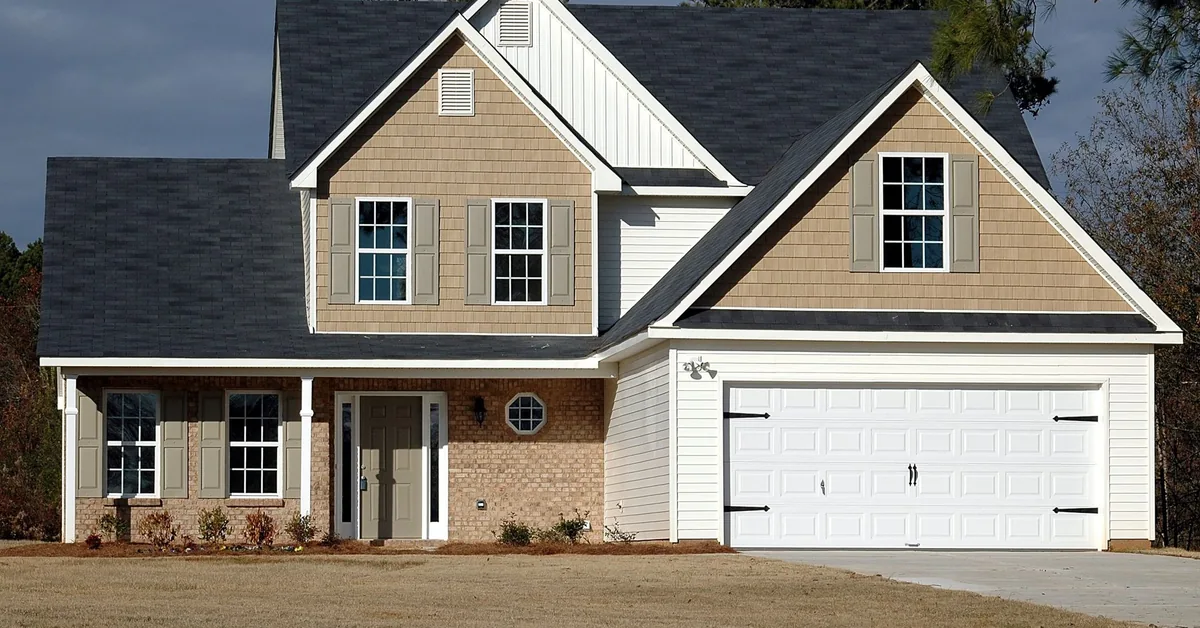
Pexels - Pixabay · original
In this article
US mortgage rates were stuck near 6.5% on Thursday, June 4, 2026. The national average 30-year fixed mortgage rate was 6.52%, while the 15-year fixed rate averaged 5.89%, according to WSJ Buy Side, citing Bankrate data (WSJ Buy Side, 2026). For buyers and refinancers, the practical takeaway was simple: compare multiple lender quotes, look at APR as well as the rate, and avoid assuming a major rate drop is imminent.
What changed on June 4, 2026?
Rates were essentially unchanged from the prior day, but still high enough to keep affordability tight. As of June 2026, rates change daily, verify current terms with a licensed lender before deciding.
The 30-year fixed mortgage remained the main reference point for most US borrowers because it usually offers the lowest monthly payment among common fixed-rate options. A 15-year fixed mortgage had a lower rate, but the shorter repayment period usually means a higher monthly payment.
Refinance rates were also still elevated. That matters because a homeowner who refinanced only for a lower rate would need enough monthly savings to recover closing costs. For many borrowers, a rate-and-term refinance made sense only if the new rate was meaningfully lower than the old one, or if the borrower had another goal, such as switching loan terms or removing mortgage insurance.
Why rates were still near 6.5%
Mortgage rates do not move in lockstep with the Federal Reserve’s federal funds rate, but they are heavily influenced by inflation expectations, bond yields, lender pricing, and investor demand for mortgage-backed securities.
The Federal Reserve publishes daily market interest rate data, including Treasury yields, through its H.15 release (Federal Reserve, 2026). Lenders often watch the 10-year Treasury yield because it tends to move in the same broad direction as 30-year mortgage rates, even though the two are not identical.
Freddie Mac’s mortgage research also showed that rates had been volatile after falling below 6% earlier in 2026 and then rising again into the mid 6% range (Freddie Mac, 2026). That volatility is why daily averages are useful for context, but not enough to make a borrowing decision.
What this means for homebuyers
A 6.5% mortgage rate can materially change affordability. On a $400,000 loan, the principal and interest payment at 6.5% on a 30-year fixed mortgage is about $2,528 per month before taxes, homeowners insurance, HOA dues, and mortgage insurance. A lower rate helps, but so do a larger down payment, seller concessions, buying points, or choosing a less expensive home.
The Consumer Financial Protection Bureau recommends comparing loan offers because interest rate, APR, points, and closing costs can vary by lender (CFPB, 2026). The APR is especially important because it reflects certain loan costs beyond the note rate, which can make two offers with the same advertised rate look very different.
What this means for refinancing
For refinance borrowers, the key question is not whether rates are lower than last week. It is whether the new loan improves the household’s actual position after closing costs.
A rate-and-term refinance may be worth analyzing if the new payment savings can recover costs within the time the homeowner expects to keep the loan. A cash-out refinance requires extra caution because it increases the mortgage balance and can reset the repayment clock. Homeowners who need liquidity should also compare a HELOC or home equity loan, especially if their existing first mortgage has a much lower rate.
Should borrowers lock a rate?
A rate lock can make sense when the payment fits the budget and the borrower is close enough to closing that the lock period covers the transaction. Waiting for rates to fall can save money, but it can also backfire if rates move up or if the borrower loses the home to another buyer.
A stronger approach is to ask each lender for a written Loan Estimate, compare APR and closing costs, and ask what it would cost to lock, float down, or buy discount points. Loan eligibility, pricing, and available programs vary by lender, loan type, credit score, debt-to-income ratio, loan-to-value ratio, property type, and location.
This article is general educational information, not personalized financial, lending, tax, or legal advice. Before making a mortgage or refinance decision, compare current offers from licensed lenders and consider speaking with a HUD-approved housing counselor or qualified financial professional.
Sources
- Mortgage Rates Today, June 4, 2026: 30-Year Rates Remain Unchanged at 6.52% (accessed )
- Mortgage Market Survey Archive (accessed )
- Selected Interest Rates, H.15 (accessed )
- Mortgages (accessed )
Related articles

Mortgage and Refinance Interest Rates in the US on May 4, 2026: Will Rates Rise Again This Week?
US mortgage and refinance rates rose on May 4, 2026. See what could push rates higher this week and how borrowers can respond.
Mortgage and Refinance Rates in the US Today, May 22, 2026: A Small Move Lower
Mortgage and refinance rates moved slightly lower on May 22, 2026. See what it means for US buyers and refinancers.
Mortgage and Refinance Interest Rates Today, Sunday, May 31, 2026: Fixed Rates Edge Lower, ARMs Remain Volatile
Fixed mortgage rates edge lower while ARMs stay volatile. See today's rates for 30-year, 15-year, and adjustable mortgages plus refinance trends.
