
Mortgage
FOMC October 27-28 Decision: What It Means for Mortgage Rates in the US
The Federal Reserve's upcoming October FOMC meeting could signal the direction for mortgage rates through year-end and into 2027.
Articles about rates under Mortgage.
The Federal Reserve's upcoming October FOMC meeting could signal the direction for mortgage rates through year-end and into 2027.

Mortgage rates show mixed movement this morning as markets digest recent economic data and Federal Reserve signals.

Mortgage rates dropped on Wednesday, with 30-year fixed loans averaging 5.78% and refinance rates following suit. See today's rates and what the decline means for borrowers.

When mortgage rates are trending downward, buying discount points often works against you - learn when to skip them and when they might still make sense.
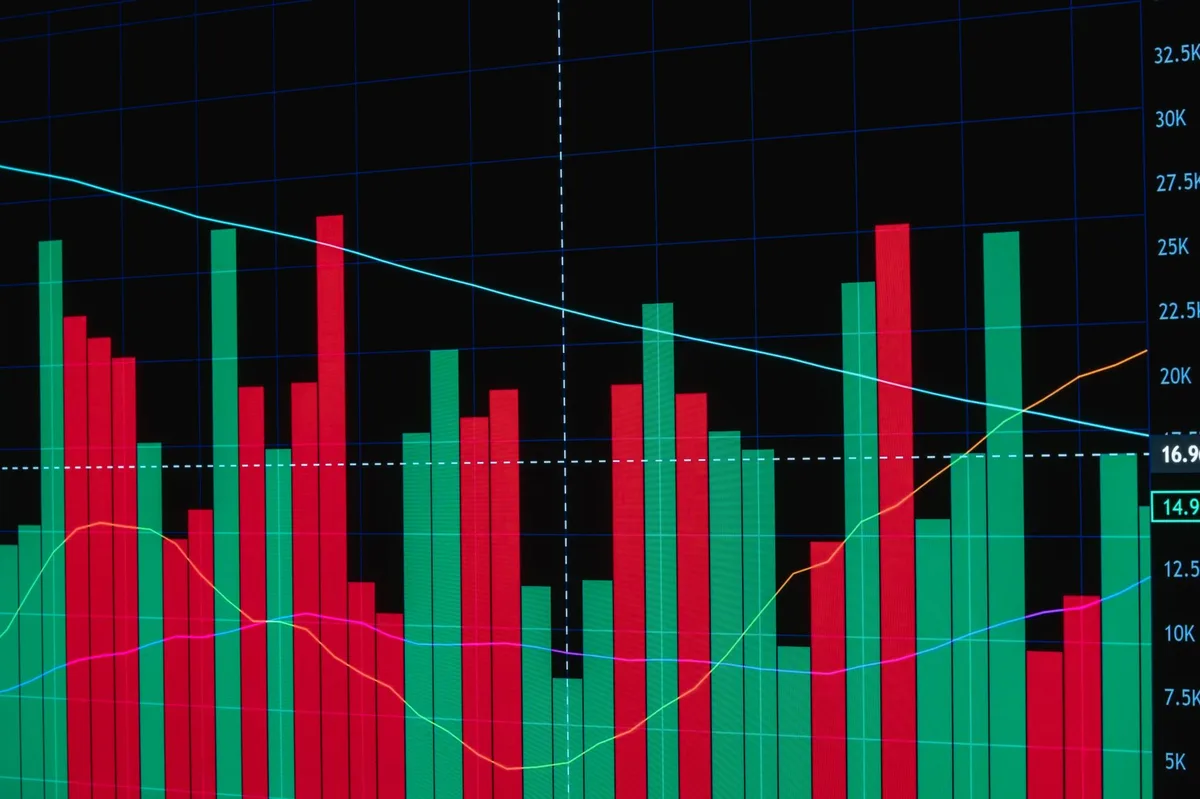
Mortgage and refinance rates continue climbing today, reaching levels not seen since the early 2000s as the Federal Reserve maintains its restrictive monetary policy.

Learn how discount points work, calculate the break-even period, and decide whether buying down your mortgage rate makes financial sense.

Understand the key differences between fixed-rate and adjustable-rate mortgages to choose the right loan structure for your home purchase in the United States.

The Federal Reserve's September decision affects mortgage timing. Here's what borrowers need to know about locking rates now.

The Federal Reserve's September FOMC meeting drives mortgage rate expectations. Here's what the decision means for home financing in the coming months.

Understand where prepayment penalties still appear on US home loans, how much they cost, and how federal rules protect most borrowers from unexpected fees when paying off a mortgage early.

Learn whether to lock your mortgage rate now or wait until after the Federal Reserve's September meeting, and how FOMC decisions impact your rate strategy.

Understand how adjustable-rate mortgage payments change at adjustment and calculate your new payment amount.

Switching from monthly to bi-weekly mortgage payments accelerates payoff and cuts total interest by making one extra full payment per year through the calendar math of 26 half-payments instead of 12 full ones.

See exactly how much of each mortgage payment goes to principal versus interest over the life of your loan.

Learn how to compare mortgage offers side by side to find the lower true cost, including rates, fees, and total interest paid.

When your adjustable-rate mortgage hits its reset date, your monthly payment can change significantly. Understanding how lenders recalculate your payment helps you plan ahead and avoid surprises.

Learn how Federal Reserve rate decisions influence mortgage interest rates and what borrowers should watch for when planning to buy or refinance.

When the Federal Reserve holds rates steady, ARM borrowers may assume their payments will stay flat too, but that is not how adjustable-rate mortgages work.

The Federal Reserve's July 2026 meeting could signal rate changes ahead. Here's what borrowers need to know about timing a refinance.

Mortgage rates remain elevated following the July 2026 FOMC meeting, with the Federal Reserve holding rates steady as inflation persists above target.

Learn how mortgage points can reduce your interest rate, when buying points makes financial sense, and how to calculate your break-even timeline.

Understanding the difference between fixed-rate and adjustable-rate mortgages helps you choose the loan structure that matches your financial plans and risk tolerance.

Choosing between a stable interest rate and a fluctuating one is a critical housing decision. Learn how fixed-rate and adjustable-rate mortgages work in the US to make an informed choice.

Learn what mortgage points are, how they work, and whether buying down your interest rate makes financial sense for your home purchase.

On May 1, 2026, US mortgage rates climbed as renewed inflation fears gripped markets, pushing the 30-year fixed rate above 7% and making borrowing more expensive for homebuyers and those considering a refinance.
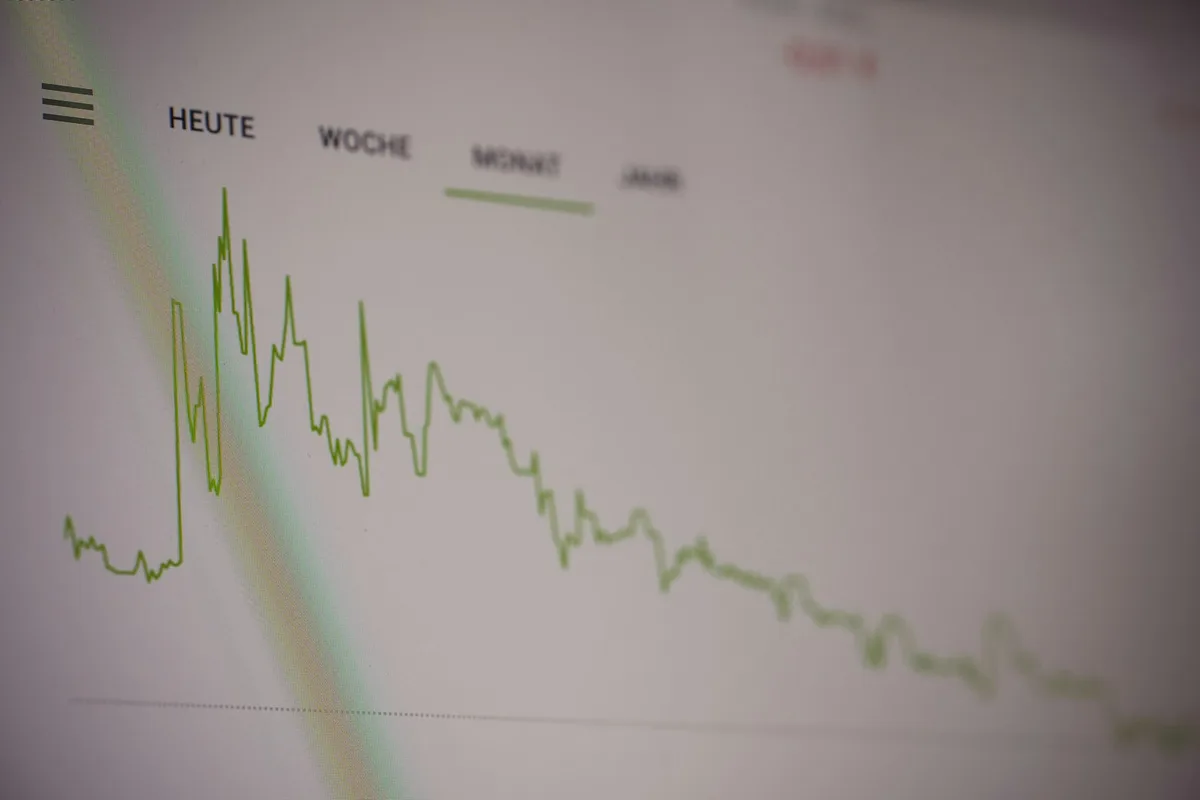
Conventional mortgage and refinance interest rates moved upward across the board on May 13, 2026, driven by persistent inflation concerns.

Mortgage and refinance rates in the United States remain largely unchanged from last week, with 30-year fixed rates hovering near recent levels and economic signals pointing to continued stability.

A Federal Reserve rate pause does not automatically lower mortgage rates in the US, but it can bring stability to home buyers.

Fixed mortgage rates were elevated around June 6, 2026, with 30-year rates near the mid-6% range. Borrowers should compare APR, points, and closing costs before locking a rate.

Mortgage and refinance rates were mixed over the July 4 holiday weekend, with purchase rates holding steadier than some refinance quotes. Borrowers should compare APR, points, and closing costs before locking.
A steady Federal Reserve does not make an adjustable-rate mortgage risk-free. ARM borrowers still need to watch reset dates, indexes, margins, caps, and refinance timing.

Mortgage rates are lower than they were a year ago, but buyers should not expect the July Fed meeting to instantly reset home loan pricing. Watch Treasury yields, lender spreads, and rate-lock terms before making an offer.
Purchase and refinance mortgage rates stayed close on June 15, 2026, with the 30-year fixed average still below 7%. Borrowers should compare APR, fees, points, and closing costs before locking a rate.

Mortgage rates moved higher in mid-May 2026 as Treasury yields rose. Buyers and refinancers should compare APRs, points, and total closing costs before locking.

Mortgage and refinance rates were slightly lower than earlier in the week, but affordability remains tight. Borrowers should compare APRs, points, and closing costs before locking.

A Federal Reserve rate cut can help some borrowing costs, but mortgage rates do not move in lockstep with the Fed's policy rate. Here is why home loan rates may stay high even after the Fed cuts.

Mortgage and refinance rates moved higher on May 4, 2026. The risk of another increase this week depends mainly on inflation data, Treasury yields, and Federal Reserve signals.
Mortgage and refinance rates eased slightly on May 22, 2026, but borrowing costs remained high by recent standards. Here is what the move means for US buyers and homeowners.

Fed rate cuts do not automatically make mortgage rates fall. In 2026, buyers should watch Treasury yields, inflation, and lender quotes more closely than headlines alone.

Mortgage rates were still near 6.5% on June 4, 2026. Here is what buyers and refinancers should know before locking a rate.

Current mortgage and refinance rates declined across all major loan types on June 13, 2026, with the 30-year fixed rate dropping below recent averages.
Purchase and refinance mortgage rates are tracking closely together as of Monday, June 8, 2026, offering similar terms for both homebuyers and existing homeowners.

US mortgage and refinance rates were mixed on Tuesday, June 23, 2026. Borrowers should compare APR, points, and closing costs before locking.
Current mortgage and refinance interest rates as of June 24, 2026, plus factors that could drive rates up or down this week.
US mortgage rates reversed recent declines today, with 30-year fixed rates climbing back above recent lows as bond markets react to stronger-than-expected economic data.

Current mortgage and refinance rates show mixed trends as of late June 2026, with some loan products seeing slight increases while others edge lower.

Current mortgage and refinance rates rose this week across most loan types, with 30-year fixed mortgages climbing above recent lows.

Mortgage rates fell to multi-month lows this week as diplomatic progress in Iran eased geopolitical risk and sent investors toward US Treasury bonds, lowering borrowing costs for homebuyers and those refinancing.

Higher interest rates increase monthly mortgage payments, reducing the maximum loan amount lenders will approve based on debt-to-income limits and potentially disqualifying borrowers who previously met affordability thresholds.

The Federal Reserve's decision to hold rates steady creates ripple effects for mortgage borrowers and homebuyers across the United States.

Fixed-rate mortgage rates in the United States have declined for the third consecutive week as of June 20, 2026, creating opportunities for both homebuyers and refinance candidates.

Offset mortgages link your savings to your mortgage to reduce interest, but they are not widely available in the US market. Learn about the concept and the US alternatives that achieve similar goals.

Understanding how Federal Reserve rate decisions influence mortgage rates and what a pause could mean for homebuyers and refinancers.

Fixed-rate mortgages decline modestly while adjustable-rate mortgages show continued volatility as markets digest recent Federal Reserve signals and economic data.

Learn when and how to lock your mortgage rate if you are buying a home this summer with an August closing date.

Learn how to choose between a fixed-rate mortgage and an adjustable-rate mortgage by evaluating your budget, timeline, and risk tolerance.

Understand discount points and origination points, how buying points lowers your rate, and how to know if paying for points is worth it.
Get new articles?
Want notifications about new articles and tools? You can unsubscribe anytime, and we store no personal data about you.
