Mortgage and Refinance Interest Rates Today in the US: June 8, 2026
Purchase and refinance mortgage rates are tracking closely together as of Monday, June 8, 2026, offering similar terms for both homebuyers and existing homeowners.
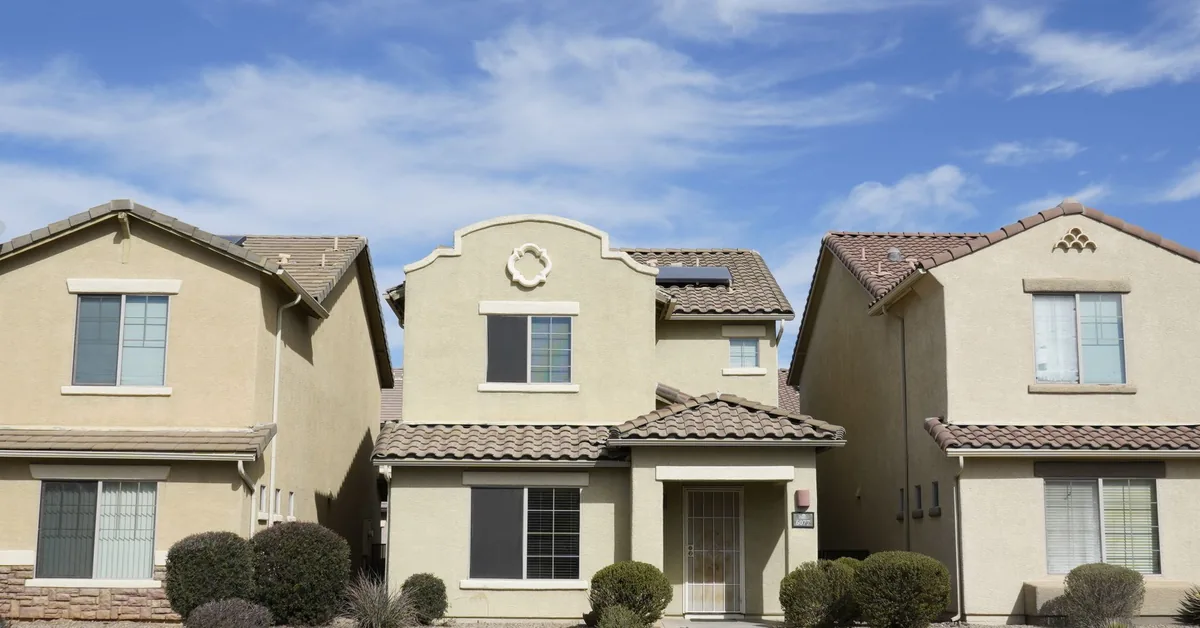
Pexels - George Njukeng · original
In this article
Key Takeaway: As of Monday, June 8, 2026, mortgage rates for purchase loans and refinance loans are running nearly identical across most loan products in the US. The convergence means homebuyers and existing homeowners refinancing are seeing comparable terms, with 30-year fixed rates, 15-year fixed rates, and adjustable-rate mortgages (ARMs) priced similarly for both purposes. Rates change daily based on market conditions, so verify current terms with a licensed lender before locking.
Current Rate Environment
Purchase and refinance rates have aligned closely in recent weeks, a shift from periods when refinance rates carried a premium. According to Freddie Mac research data, this parity reflects stable demand across both segments and consistent investor appetite for mortgage-backed securities. As of June 8, 2026, the typical 30-year fixed-rate mortgage for a purchase loan sits just a few basis points away from the equivalent refinance product.
The alignment means borrowers refinancing a conventional loan face the same base rate environment as someone buying a home with a new mortgage. Actual rates still vary by credit score, down payment or loan-to-value ratio, points purchased, and lender pricing, but the gap between purchase and refi has narrowed to near zero for borrowers with comparable profiles.
Rate Snapshot by Loan Type
While exact rates fluctuate daily and depend on individual qualifications, the general rate structure as of this date shows:
- 30-year fixed-rate mortgages remain the most popular choice for both purchase and refinance borrowers, offering predictable monthly payments over the life of the loan.
- 15-year fixed-rate mortgages continue to price lower than 30-year products, reflecting the shorter term and reduced lender risk, and rates for purchase and refinance track closely.
- Adjustable-rate mortgages (ARMs), including 5/1 and 7/1 products, offer initial rate discounts compared to fixed-rate loans, with similar pricing whether the loan is for a purchase or a refinance.
The Consumer Financial Protection Bureau emphasizes that the annual percentage rate (APR) captures both the interest rate and certain closing costs, making it a useful comparison tool when shopping across lenders. Because refinance transactions may carry different fee structures than purchase loans, always compare APR in addition to the stated interest rate.
What Drives Rate Similarity
Mortgage rates respond to broader economic factors tracked by the Federal Reserve, including inflation expectations, Treasury yields, and monetary policy signals. When these fundamentals are stable, lenders price purchase and refinance loans from the same rate sheets, adjusting only for loan-level risk factors such as credit score, loan-to-value ratio, and property type.
Read also: Mortgage and Refinance Interest Rates in the US Today, June 24, 2026
The current environment reflects a period of equilibrium: no major policy shifts, moderate inflation, and steady housing activity. Lenders are not incentivizing one loan purpose over the other, so rates converge.
Next Steps for Borrowers
If you are considering a purchase or a refinance, the current rate parity means you can focus on loan-level details rather than worrying about a refinance penalty in pricing. Get pre-approved if buying, or request a rate quote and break-even analysis if refinancing. Compare at least three licensed lenders, review the Loan Estimate forms side by side, and confirm the APR, monthly payment, and total closing costs.
Lock your rate when you are ready to proceed. Rates can shift daily, and the similarity between purchase and refi rates today does not guarantee the relationship will hold in the future.
Financial Disclaimer: This article provides general educational information about mortgage and refinance interest rates in the United States as of June 8, 2026. It is not personalized financial, lending, or legal advice. Mortgage rates change daily and vary based on credit score, loan-to-value ratio, property type, lender, and location. Loan eligibility and availability depend on individual circumstances and the specific program. Consult a licensed mortgage lender or housing counselor for advice tailored to your situation. For tax-related questions, speak with a qualified tax professional.
Sources
- Primary Mortgage Market Survey (accessed )
- Owning a Home (accessed )
- Selected Interest Rates (H.15) (accessed )
Related articles

Mortgage Rates in the US Show Mixed Movement in Late June 2026
US mortgage rates show mixed movement in late June 2026. See current trends for 30-year fixed, 15-year fixed, and refinance rates today.

US Mortgage Rates Today: Minimal Week-Over-Week Movement (July 7, 2026)
US mortgage and refinance rates show minimal movement this week. Current rates, market drivers, and what borrowers should know as of July 7, 2026.
Mortgage Rates Today in the US: June 4, 2026 Update
US mortgage rates stayed near 6.5% on June 4, 2026. See what that means for purchase loans, refinance decisions, and rate locks.
