US Mortgage and Refinance Interest Rates Today, June 20, 2026: Fixed Rates Continue to Fall
Fixed-rate mortgage rates in the United States have declined for the third consecutive week as of June 20, 2026, creating opportunities for both homebuyers and refinance candidates.

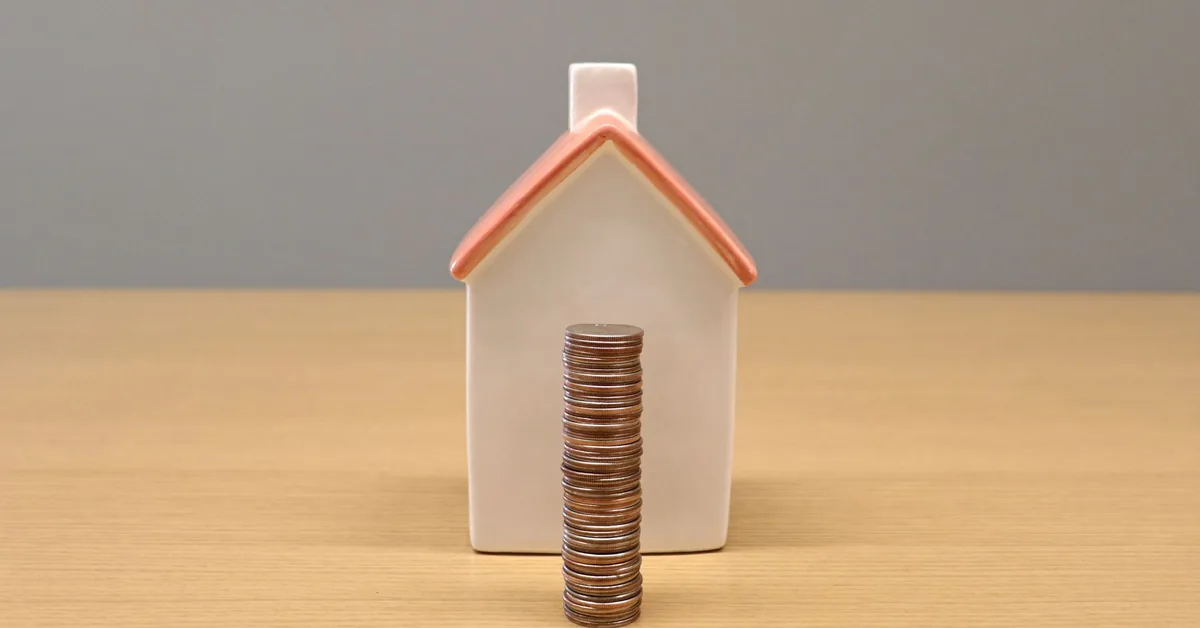
Pexels - Brett Sayles · original
In this article
Key Takeaway: As of June 20, 2026, the average 30-year fixed-rate mortgage in the United States stands near 6.25%, down from approximately 6.45% three weeks earlier, according to market surveys. The 15-year fixed rate has fallen to roughly 5.60%, while 5/1 adjustable-rate mortgages (ARMs) are averaging around 5.85%. Rates change daily and vary by lender, credit score, down payment, and loan type, so verify current terms with a licensed lender before making decisions.
Current US Mortgage Rates
Fixed-rate mortgages continue their downward trend this week. Borrowers with excellent credit (740+ FICO scores) and at least 20% down payment are seeing the most competitive offers. According to the Federal Reserve’s H.15 data release, benchmark rates have declined in response to recent economic data showing slower inflation growth.
The 30-year fixed-rate mortgage, the most popular loan product in the United States, has dropped approximately 20 basis points over the past three weeks. The 15-year fixed rate has followed a similar path, appealing to borrowers who want to pay off their homes faster and save substantially on total interest. Adjustable-rate mortgages (ARMs) remain below fixed rates during their initial periods, though the gap has narrowed as fixed rates fall.
Why Rates Are Falling
Multiple factors are driving the decline. The Federal Reserve has signaled a more cautious approach to monetary policy following June’s Federal Open Market Committee (FOMC) meeting. Bond market yields, which mortgage rates track closely, have responded by moving lower. Economic growth has moderated, and inflation readings for May came in below expectations, reducing pressure for further rate hikes.
Freddie Mac’s research division tracks these patterns through the Primary Mortgage Market Survey, which shows lender sentiment shifting toward more competitive pricing as volume remains constrained by affordability challenges.
What This Means for Borrowers
Homebuyers: Lower rates improve purchasing power. A 20-basis-point drop on a $400,000 loan can reduce monthly principal and interest by roughly $50 to $60, or around $18,000 to $22,000 over the life of a 30-year mortgage. First-time buyers who were priced out at higher rates may now qualify under debt-to-income ratio limits.
Refinance candidates: Homeowners who locked rates above 7% in 2024 or early 2025 should calculate their break-even point. As the Consumer Financial Protection Bureau explains, refinancing makes financial sense when the monthly savings justify closing costs (typically 2% to 5% of the loan amount) within your planned timeline in the home. A rate drop of 0.50% to 0.75% or more often meets this threshold.
Important Considerations
Rate quotes vary widely by lender, loan type, and borrower profile. Government-backed loans (FHA, VA, USDA) have different rate structures than conventional conforming loans, and jumbo loans (above $766,550 in most counties as of 2026) typically carry slightly higher rates due to their size.
Discount points, which let you pay upfront to lower your rate, may be worth considering if you plan to stay in the home long enough to recoup the cost. A licensed loan officer can run the numbers for your specific situation.
Next Steps
Rates change daily based on bond market activity and lender capacity. If you are actively shopping, request rate quotes from at least three lenders and compare the loan estimate forms side by side. Lock your rate once you have clear closing timeline, as rates can move between application and closing.
Monitor upcoming economic data releases and FOMC meetings, as these can trigger rate volatility. The next FOMC meeting is scheduled for late July 2026.
Disclaimer: This article provides general educational information about mortgage and refinance interest rates in the United States and does not constitute personalized financial, lending, or legal advice. Mortgage rates change daily and vary by lender, loan program, credit profile, down payment, property location, and other factors. The rate ranges mentioned reflect market averages as of June 20, 2026, and may not represent current offers at the time you read this. Always verify current rates and terms directly with licensed lenders, compare loan estimates from multiple sources, and consult a licensed loan officer or HUD-approved housing counselor to evaluate your personal eligibility and options before making financing decisions.
Sources
- Selected Interest Rates (Daily) - H.15 (accessed )
- Freddie Mac Research and Insights (accessed )
- Owning a Home (accessed )
Related articles
Mortgage and Refinance Interest Rates in the US Today, June 13, 2026: All Rates Moving Lower
Mortgage rates fell across all major loan types on June 13, 2026. See today's rates for 30-year, 15-year, FHA, VA, and refinance loans in the US.
Mortgage and Refinance Interest Rates Today, Sunday, May 31, 2026: Fixed Rates Edge Lower, ARMs Remain Volatile
Fixed mortgage rates edge lower while ARMs stay volatile. See today's rates for 30-year, 15-year, and adjustable mortgages plus refinance trends.

Mortgage and Refinance Interest Rates in the US Today: October 9, 2026
Current mortgage and refinance rates for October 9, 2026. See today's 30-year, 15-year, and ARM rates plus what's moving the market.
