US Mortgage and Refinance Rates: Conventional Rates Rise on May 13, 2026
Conventional mortgage and refinance interest rates moved upward across the board on May 13, 2026, driven by persistent inflation concerns.
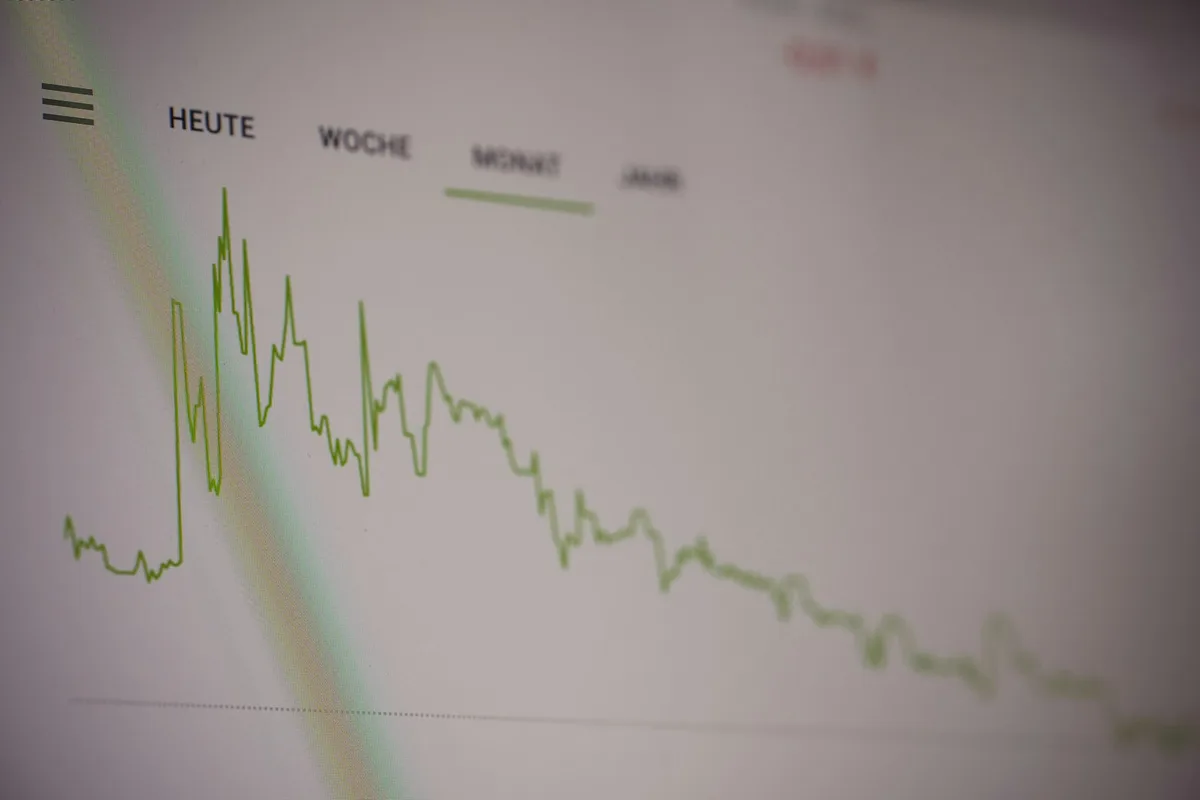
Unsplash - Markus Spiske · original
In this article
On May 13, 2026, conventional mortgage and refinance interest rates in the US rose across all major categories, driven by recent inflation reports and shifting financial market expectations. Borrowers seeking conventional conforming loans will face higher monthly payments compared to last week, making rate shopping and locking crucial. For both homebuyers and homeowners eyeing a refinance, understanding these daily fluctuations is essential to optimizing long-term financing costs.
Daily Conventional Rate Movement in the US
Conventional mortgage interest rates moved upward on May 13, 2026, affecting both purchase and refinance transactions. According to tracking data, the average conforming 30-year fixed conventional rate climbed to 6.85 percent (as of May 13, 2026: rates change daily, verify current terms with a licensed lender before deciding).
The 15-year fixed conventional mortgage rate also experienced an upward shift, reaching an average of 6.10 percent. These increases mean that a US borrower taking out a standard 30-year conforming loan of 400,000 USD will see their monthly principal and interest payment increase by approximately 40 USD compared to rates offered just a few weeks prior.
Shifting Economic Pressures Drive Rates Upward
The upward momentum in conventional rates is largely a response to recent economic reports showing persistent inflation. Because the Federal Reserve has maintained a cautious approach to adjusting its benchmark interest rate, bond yields have climbed, pulling mortgage rates up along with them.
According to Freddie Mac research, conventional rates are closely tied to the yield on the 10-year US Treasury note (Freddie Mac, 2026). When inflation indicators remain higher than the Federal Reserve targets, investors demand higher yields, which directly increases the pricing for conventional conforming loans. Unlike FHA or VA loans, which carry government backing, conventional loans rely entirely on private market pricing and are highly sensitive to these daily treasury shifts.
How Rising Rates Affect US Borrowers
For US homebuyers, rising interest rates reduce overall purchasing power. A higher interest rate increases the monthly payment, which in turn raises the borrower’s debt-to-income (DTI) ratio. If a buyer is close to the conventional DTI limit (typically 45 percent, though sometimes higher with strong compensating factors), a rate hike can affect their pre-approval status or force them to look at lower-priced homes.
For homeowners considering a rate-and-term refinance, higher rates make the break-even point harder to reach. Refinancing makes financial sense when the new interest rate is low enough to offset the closing costs within a reasonable timeframe. With rates moving upward, the window for a beneficial refinance is narrowing for many US households.
Practical Next Steps for Buyers and Homeowners
If you are navigating the US mortgage market in this rising rate environment, consider these steps to protect your budget:
- Consult a Licensed Professional: Speak with a licensed loan officer to review your loan-to-value (LTV) ratio and DTI ratio. This will help you understand your options for conforming conventional loans versus FHA or VA loans.
- Consider Discount Points: If you plan to stay in your home long-term, you can pay upfront discount points to lower your permanent interest rate.
- Obtain a Rate Lock: Work with your lender to secure a rate lock once you have a property under contract, which protects you from further upward fluctuations during the underwriting process.
- Seek a Housing Counselor: If you are a first-time homebuyer, contacting a HUD-approved housing counselor can provide valuable education on down payment assistance and qualification criteria.
Educational Disclaimer
The information provided in this article is for educational and general informational purposes only and does not constitute personalized financial, lending, tax, or legal advice. Loan eligibility, interest rates, points, and program availability vary significantly by lender, borrower financial profile, and geographic location. Borrowers should always consult with a licensed mortgage professional or HUD-approved housing counselor to evaluate their personal financial situation before making any home financing decisions.
Sources
- Freddie Mac Research and Insights (accessed )
- Federal Reserve Selected Interest Rates (Daily) - H.15 (accessed )
- CFPB Mortgages Hub (accessed )
Related articles

US Mortgage and Refinance Interest Rates Today, June 20, 2026: Fixed Rates Continue to Fall
US mortgage rates dropped again this week. See today's fixed and adjustable rates for purchase and refinance loans as of June 20, 2026.

Prepayment Penalties on US Mortgages: Where They Still Exist and What They Cost
Learn where prepayment penalties still exist on US mortgages, how much they cost, and how Dodd-Frank protections shield most borrowers from early payoff fees.
FOMC July 28-29 Decision: Should You Refinance Now or Wait for Fall Rate Moves in the US?
Should you refinance before the July FOMC meeting or wait for potential fall rate cuts? Expert guidance on timing your mortgage refinance in 2026.
