Mortgage and Refinance Rates Today in the US, June 23, 2026
US mortgage and refinance rates were mixed on Tuesday, June 23, 2026. Borrowers should compare APR, points, and closing costs before locking.

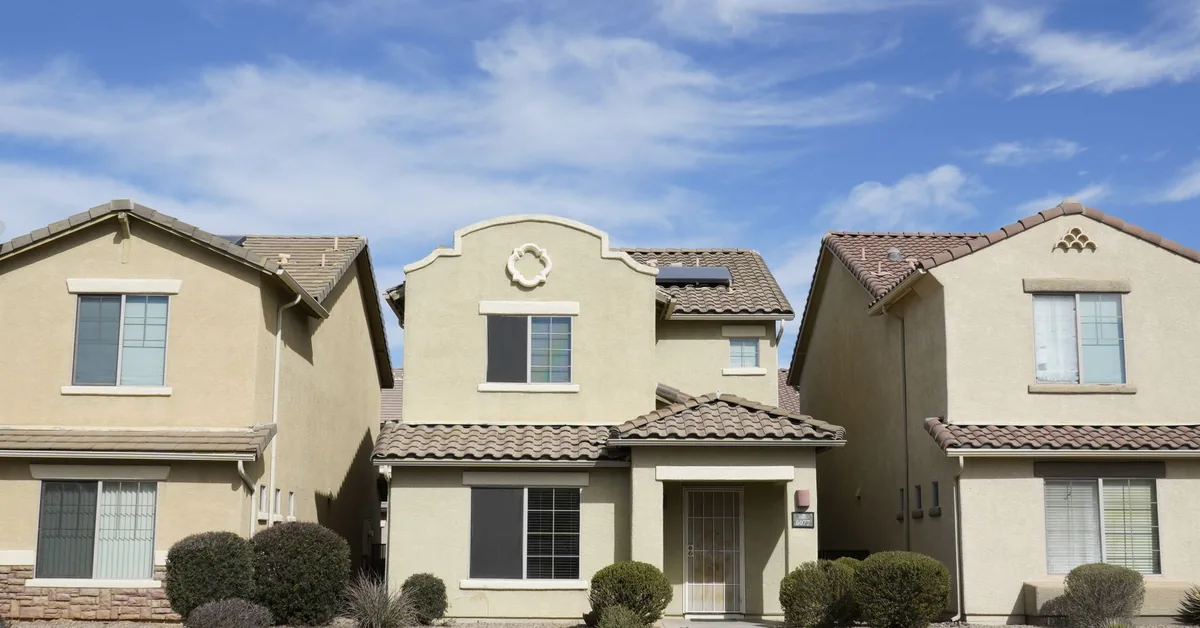
Pexels - Artful Homes · original
In this article
Mortgage and refinance rates in the US were mixed on Tuesday, June 23, 2026, with the 30-year fixed purchase rate moving higher while refinance quotes still varied by lender. The national average 30-year fixed mortgage rate was 6.61% and the 15-year fixed rate was 6.00%, according to the Wall Street Journal’s Buy Side rate update, which cites Bankrate data (WSJ Buy Side, 2026). Rates change daily, so treat these figures as a dated market snapshot, not a quote.
What changed this morning
The main takeaway for June 23 was that mortgage pricing did not send one clean signal. Purchase rates were higher in the widely watched 30-year fixed category, but refinance quotes can move differently by lender, loan size, equity position, credit score, and whether the borrower pays discount points. That is why one lender’s refinance quote may improve while another lender’s purchase quote worsens on the same morning.
For buyers, a 6.61% average 30-year fixed rate means monthly payment discipline still matters. On a $400,000 loan before taxes, homeowners insurance, HOA dues, and mortgage insurance, principal and interest would be about $2,557 per month at 6.61%. That number is only an illustration, not a loan offer, and it excludes closing costs and escrow items.
Why rates are still elevated
Mortgage rates do not move in lockstep with the Federal Reserve’s policy rate, but they are affected by inflation expectations, Treasury yields, lender margins, and investor demand for mortgage-backed securities. The Federal Reserve’s H.15 data is one commonly used reference point for market interest rates, including Treasury yields that influence mortgage pricing (Federal Reserve, 2026).
The broader backdrop remains affordability pressure. Freddie Mac’s research page tracks mortgage market trends and housing conditions, and rate commentary can help borrowers understand how weekly changes affect affordability when home prices and insurance costs are already stretching budgets (Freddie Mac, 2026).
Read also: How Mortgage Points Work and Whether to Buy Them
What borrowers should do now
If you are buying a home, compare the APR, not just the advertised interest rate. APR folds in certain lender fees and points, which can make a lower rate less attractive if it requires steep upfront costs. The Consumer Financial Protection Bureau advises borrowers to compare loan estimates and review the trade-off between interest rate, points, and closing costs before choosing a mortgage (CFPB, 2026).
If you are refinancing, start with the break-even point. Divide estimated closing costs by the monthly savings to see how long it takes to recover the cost of the refinance. A rate-and-term refinance can make sense if the savings period fits your plans for the home. A cash-out refinance needs a stricter test because it increases your loan balance and may reset your repayment timeline.
Bottom line
As of June 23, 2026, US mortgage rates were still in the mid-6% range for common fixed-rate loans, with purchase and refinance quotes varying by lender and borrower profile. Before locking, get quotes from at least three licensed lenders on the same day, using the same loan amount, term, points, and closing-cost assumptions.
This article is general educational information, not personalized financial, legal, tax, or lending advice. Rates and terms change daily, and eligibility varies by loan program, lender, location, credit score, debt-to-income ratio, and loan-to-value ratio. Confirm current terms with a licensed loan officer or HUD-approved housing counselor before making a mortgage decision.
Sources
- Mortgage Rates Today, June 23, 2026: 30-Year Rates Climb to 6.61% (accessed )
- Selected Interest Rates H.15 (accessed )
- Mortgage Resources (accessed )
- Freddie Mac Research (accessed )
Related articles

Mortgage and Refinance Interest Rates in the US for June 6, 2026: Fixed Rates Are Rising
US mortgage and refinance rates for June 6, 2026, with fixed rates rising and tips on APR, points, and rate locks.
Mortgage and Refinance Interest Rates in the US for June 15, 2026
See US mortgage and refinance rates for June 15, 2026, and what borrowers should compare before locking a loan.

Mortgage and Refinance Interest Rates Today in the US: June 28, 2026
US mortgage and refinance rates for June 28, 2026, with context on rate locks, APR, points, and refinance decisions.
