Mortgage and Refinance Interest Rates in the US for June 15, 2026
Purchase and refinance mortgage rates stayed close on June 15, 2026, with the 30-year fixed average still below 7%. Borrowers should compare APR, fees, points, and closing costs before locking a rate.
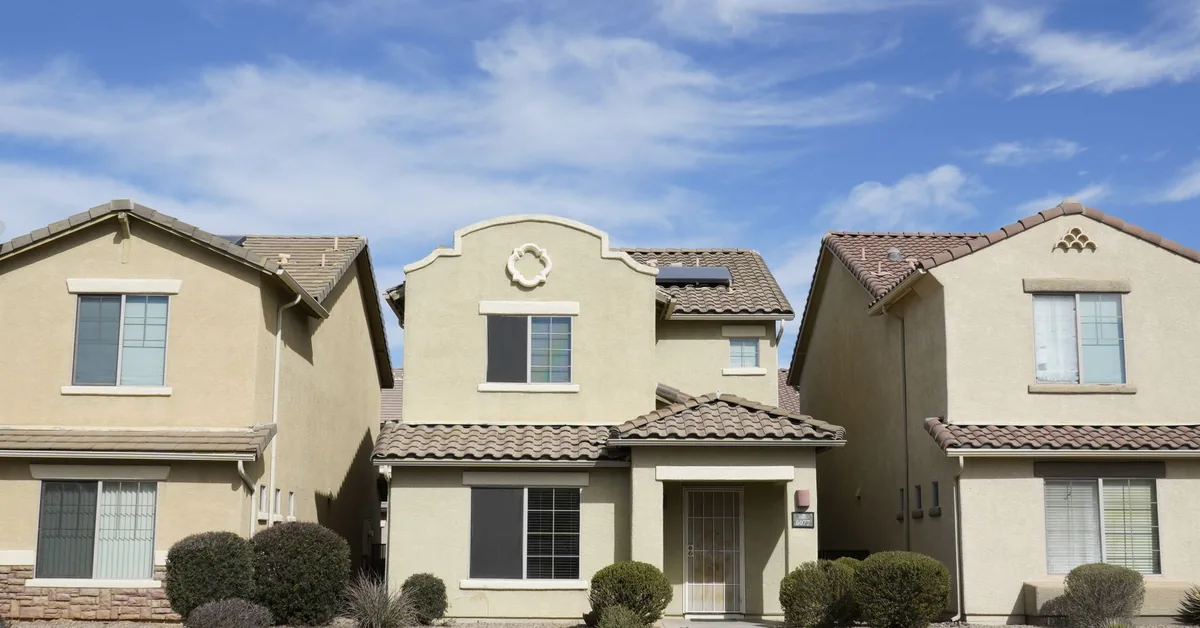
Pexels - George Njukeng · original
In this article
Mortgage and refinance rates in the US were little changed on Monday, June 15, 2026. The average 30-year fixed purchase mortgage was 6.57%, while the average 15-year fixed mortgage was 5.93%, according to WSJ Buy Side data sourced from Bankrate (WSJ Buy Side, 2026). As of June 2026, rates change daily, and borrowers should verify current quotes with a licensed lender before deciding.
What happened on June 15, 2026
Purchase and refinance rates stayed close because the same broad market forces affect both: inflation expectations, Treasury yields, lender demand, borrower credit risk, and the cost of mortgage-backed securities. A refinance rate can be slightly higher or lower than a purchase rate depending on the lender, loan type, equity position, credit score, and whether the borrower is taking cash out.
According to WSJ Buy Side, the national average 30-year fixed mortgage rate was unchanged from the prior Friday at 6.57%, and the 15-year fixed average was 5.93% on June 15, 2026 (WSJ Buy Side, 2026). Those averages are useful as a market snapshot, but they are not a guarantee of the rate an individual borrower will receive.
The Consumer Financial Protection Bureau emphasizes comparing loan estimates because the interest rate is only one part of the cost of a mortgage. APR, discount points, lender fees, mortgage insurance, taxes, insurance, and closing costs can all change the true cost of the loan (CFPB, 2026).
Why purchase and refinance rates can look similar
Purchase and rate-and-term refinance loans often price close together when the borrower profile and loan structure are similar. For example, a conventional 30-year fixed purchase loan with strong credit and 20% down may price near a rate-and-term refinance for a homeowner with similar credit and 20% equity.
Cash-out refinancing is different. Because the borrower is increasing the loan balance and pulling equity from the home, lenders may price in more risk. That can mean a higher interest rate, higher fees, or stricter loan-to-value requirements.
The Federal Reserve does not directly set mortgage rates, but its policy rate influences broader credit conditions. The Fed publishes daily interest rate data that investors and lenders watch closely, including Treasury yields that can affect mortgage market pricing (Federal Reserve, 2026). Freddie Mac research also tracks mortgage market trends and provides a broader view of rate movement over time (Freddie Mac, 2026).
Read also: Mortgage and Refinance Interest Rates Today in the US: June 28, 2026
What borrowers should compare now
A borrower shopping on or after June 15, 2026 should compare at least three lender quotes on the same day, using the same loan amount, term, loan type, estimated credit score, and points. This matters because a lower advertised interest rate may come with higher upfront costs.
For a purchase loan, focus on the full monthly payment: principal, interest, property taxes, homeowners insurance, HOA dues if applicable, and PMI or FHA MIP when required. For a refinance, compare the new payment against closing costs and calculate the break-even point. If a refinance costs $4,000 and saves $150 per month, the simple break-even point is about 27 months.
APR is useful, but it is not perfect. It can help compare loans with different fees, but it assumes a borrower keeps the loan long enough for those upfront costs to matter. If the plan is to sell, move, or refinance again soon, the interest rate, cash due at closing, and break-even timeline may matter more.
Bottom line
On June 15, 2026, US purchase and refinance mortgage rates were close, with the 30-year fixed average at 6.57% and the 15-year fixed average at 5.93%. The better question for borrowers is not whether the market average moved by a few basis points, but whether a specific loan estimate fits their credit profile, cash position, timeline, and risk tolerance.
This article is general educational information, not personalized financial, lending, tax, or legal advice. Mortgage eligibility, pricing, fees, and program availability vary by borrower, lender, loan type, and location. Confirm current terms with a licensed loan officer, and consider a HUD-approved housing counselor or tax professional for personal guidance.
Sources
- Mortgage Rates Today, June 15, 2026: 30-Year Rates Remain Unchanged at 6.57% (accessed )
- Mortgages (accessed )
- Selected Interest Rates (Daily) - H.15 (accessed )
- Mortgage Market Survey Archive (accessed )
Related articles

Mortgage and Refinance Interest Rates in the US for June 6, 2026: Fixed Rates Are Rising
US mortgage and refinance rates for June 6, 2026, with fixed rates rising and tips on APR, points, and rate locks.

Mortgage and Refinance Interest Rates Today in the US: June 28, 2026
US mortgage and refinance rates for June 28, 2026, with context on rate locks, APR, points, and refinance decisions.
Mortgage and Refinance Rates Today in the US, June 23, 2026
See US mortgage and refinance rates for June 23, 2026, why rates were mixed, and what borrowers should compare before locking.
