Mortgage and Refinance Interest Rates Today in the US: June 28, 2026
Mortgage and refinance rates were slightly lower than earlier in the week, but affordability remains tight. Borrowers should compare APRs, points, and closing costs before locking.

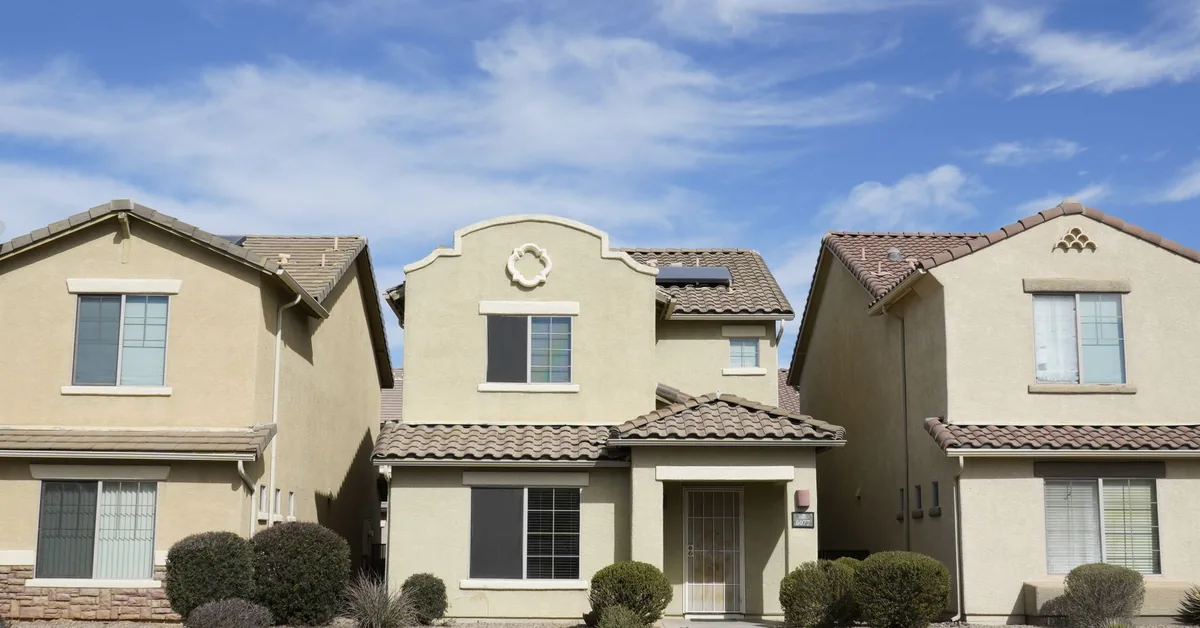
Pexels - TLK GentooExpressions · original
In this article
Mortgage and refinance rates in the US were lower than earlier in the week on Sunday, June 28, 2026, but the bigger picture has not changed: most borrowers are still seeing fixed mortgage quotes in the mid 6% range. That means a small daily dip can help, especially for a rate lock, but it is not a reason to skip comparison shopping. Focus on APR, discount points, closing costs, and how long you expect to keep the loan.
What changed today
Daily lender quotes moved down from Monday levels, giving purchase and refinance borrowers a slightly better window to compare offers. As of June 2026, rates change daily, verify current terms with a licensed lender before deciding.
The most useful benchmark is still the weekly Freddie Mac survey. Freddie Mac reported that the average 30-year fixed-rate mortgage was 6.49% as of June 25, 2026, while the 15-year fixed-rate mortgage averaged 5.84% (Freddie Mac, 2026). That survey reflects conventional conforming purchase applications, not every borrower, every lender, or every refinance product.
Daily rate tables from consumer marketplaces can differ because they update more frequently and may include different assumptions about credit score, points, loan size, property type, and location. Bankrate’s mortgage hub tracks purchase and refinance offers and emphasizes comparing live lender quotes, not just headline averages (Bankrate, 2026).
What the rate move means for buyers
A lower rate can reduce the monthly principal and interest payment, but the size of the savings depends on the loan amount. On a $400,000 30-year fixed mortgage, a 0.125 percentage point rate drop is usually noticeable, but it rarely changes the affordability picture by itself.
For buyers, the practical question is whether the full loan estimate works. Compare the interest rate, APR, discount points, lender fees, prepaid items, escrow deposits, and mortgage insurance. The CFPB encourages borrowers to compare loan estimates because APR and closing costs can make one loan more expensive even when the advertised rate looks lower (CFPB, 2026).
If the payment fits and the home is right, waiting for a perfect rate can be risky. Rates can move in either direction before closing, and inventory, home prices, and seller concessions also affect the total deal.
What it means for refinancing
For refinance borrowers, a small rate dip matters only if it improves the break-even math. A rate-and-term refinance should generally be judged by monthly savings, total closing costs, how long you plan to keep the new loan, and whether you are restarting the repayment clock.
Read also: Mortgage and Refinance Rates Today in the US, June 23, 2026
For example, if refinancing saves $175 per month but costs $4,200 at closing, the simple break-even point is 24 months. If you expect to sell in a year, that refinance probably does not work. If you expect to stay for five years, it may deserve a closer look.
Cash-out refinancing needs extra caution. You are increasing the loan balance and using home equity, so compare the new mortgage rate against alternatives such as a HELOC or home equity loan. Also confirm how the larger loan affects your loan-to-value ratio, monthly payment, and long-term interest cost.
Why rates are still elevated
Mortgage rates do not move only because of Federal Reserve decisions, but they are influenced by the broader interest rate market. The Federal Reserve’s H.15 data tracks Treasury yields and other market rates that lenders and investors watch closely (Federal Reserve, 2026). When long-term yields stay high, mortgage rates often remain under pressure too.
That is why today’s decline should be treated as a shopping signal, not a forecast. A lower quote today can disappear tomorrow if bond yields rise, inflation data surprises markets, or lender pricing changes.
Bottom line
If you are buying or refinancing, use today’s lower rates to gather at least three written quotes on the same day. Compare APR, points, fees, and lock terms, not just the interest rate.
This article is for general educational purposes only and is not personalized financial, lending, tax, or legal advice. Loan eligibility, pricing, and availability vary by program, lender, credit profile, property type, and location. Confirm current terms with a licensed loan officer, and consult a HUD-approved housing counselor or tax professional when your decision depends on personal financial or tax details.
Sources
- Mortgage Rates (accessed )
- Mortgages (accessed )
- H.15 Selected Interest Rates (accessed )
- Mortgages (accessed )
Related articles

Mortgage and Refinance Interest Rates in the US for June 6, 2026: Fixed Rates Are Rising
US mortgage and refinance rates for June 6, 2026, with fixed rates rising and tips on APR, points, and rate locks.
Mortgage and Refinance Interest Rates in the US for June 15, 2026
See US mortgage and refinance rates for June 15, 2026, and what borrowers should compare before locking a loan.

Mortgage and Refinance Rates Today in the US, June 23, 2026
See US mortgage and refinance rates for June 23, 2026, why rates were mixed, and what borrowers should compare before locking.
