Mortgage Rates Dropped This Week in the US as Iran Peace Deal Took Shape
Mortgage rates fell to multi-month lows this week as diplomatic progress in Iran eased geopolitical risk and sent investors toward US Treasury bonds, lowering borrowing costs for homebuyers and those refinancing.

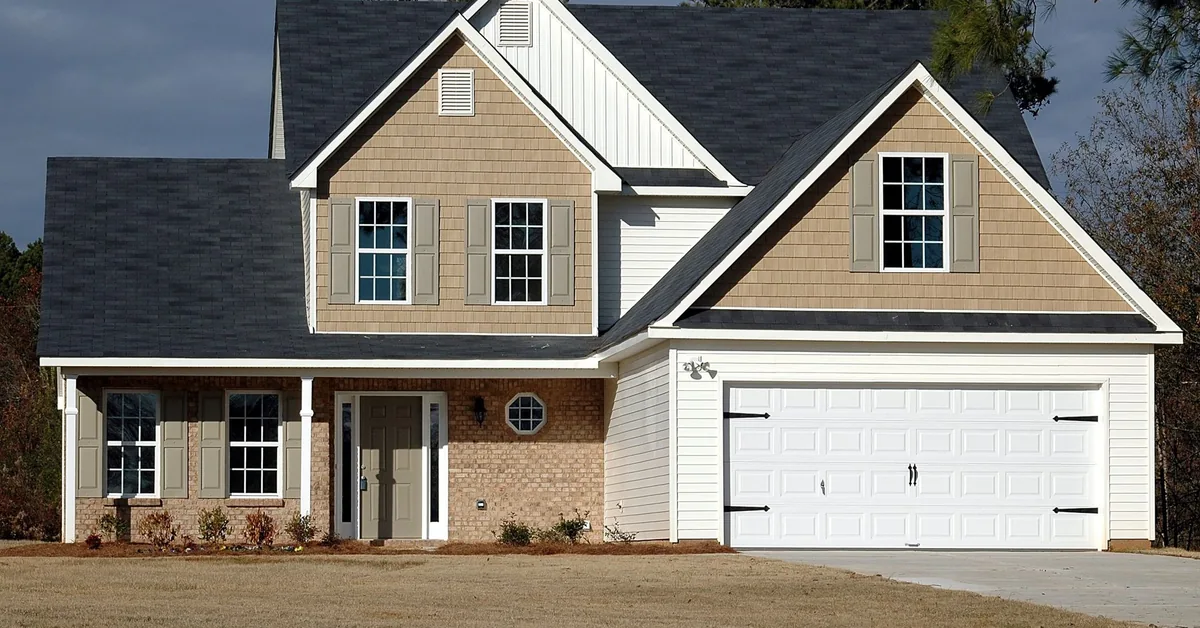
Pexels - Andrew Patrick Photo · original
In this article
Key Takeaway
Mortgage rates in the US fell this week to their lowest levels in months, with 30-year fixed-rate mortgages averaging around 6.45% and 15-year fixed rates near 5.75% as of June 18, 2026. The drop came as diplomatic breakthroughs in Middle East peace negotiations reduced geopolitical risk, sending investors toward US Treasury bonds and lowering the yields that mortgage rates track. Homebuyers and those considering refinancing may benefit from improved affordability, though rates remain sensitive to economic data and can change daily.
Why Mortgage Rates Dropped
Mortgage rates move in response to changes in the bond market, particularly the yield on 10-year US Treasury bonds. When geopolitical tensions ease, investors typically move capital into safe-haven assets like Treasuries, driving bond prices up and yields down. According to Freddie Mac research, mortgage lenders price loans based on these Treasury yields plus a spread to cover risk and operating costs.
This week, as diplomatic talks between the United States, Iran, and European partners advanced toward a framework agreement aimed at de-escalating tensions in the Persian Gulf, global financial markets responded with reduced risk premiums. The 10-year Treasury yield fell approximately 18 basis points over five trading days, pulling mortgage rates lower in tandem.
The Federal Reserve had held its benchmark federal funds rate steady at its June meeting, signaling patience as inflation metrics continued to moderate. Lower geopolitical risk combined with stable Fed policy created favorable conditions for mortgage rate declines.
Current Rates by Loan Type
As of June 18, 2026, average mortgage rates across major US lenders stood at the following levels (rates vary by credit score, down payment, loan amount, and location):
30-year fixed-rate mortgage: 6.45%
15-year fixed-rate mortgage: 5.75%
5/1 adjustable-rate mortgage (ARM): 5.90%
FHA 30-year fixed: 6.20%
VA 30-year fixed: 6.10%
Refinance rates typically run 10 to 25 basis points higher than purchase rates for the same loan type, depending on the lender and the borrower’s equity position.
What This Means for Homebuyers and Homeowners
For prospective homebuyers, the rate drop improves affordability. A 30-year mortgage of $400,000 at 6.45% carries a principal and interest payment of approximately $2,510 per month, compared to $2,580 at the prior week’s average of 6.65%. Over the life of the loan, the difference amounts to savings of more than $25,000 in interest.
Read also: The Fed Holds Interest Rates Steady: Impact on the US Housing Market
Homeowners considering a refinance should compare their current rate to today’s rates and calculate the break-even point after accounting for closing costs, which typically range from 2% to 5% of the loan amount. According to the Consumer Financial Protection Bureau, a refinance generally makes sense when the rate reduction is at least 0.75 percentage points and you plan to stay in the home long enough to recover the upfront costs.
How Long Will Rates Stay Low?
Mortgage rates remain volatile and sensitive to incoming economic data, Federal Reserve statements, and geopolitical developments. While the Iran peace framework has reduced one source of risk, rates could rise again if inflation data surprises to the upside, if the Fed signals future rate hikes, or if other global events introduce uncertainty.
Borrowers interested in locking a rate should work with a licensed lender to understand lock periods (typically 30 to 60 days) and the trade-offs between locking immediately versus floating in hopes of further declines.
Next Steps
If you are shopping for a mortgage or considering a refinance, compare offers from at least three lenders, verify current rates (which change daily), and confirm your eligibility based on credit score, debt-to-income ratio, and down payment or equity. Rates advertised nationally reflect averages; your personal rate will depend on your financial profile and the specific loan program.
Financial Disclaimer: This article provides general educational information about mortgage rates and market conditions in the United States. It is not personalized financial, lending, or investment advice. Mortgage rates change daily and vary by lender, loan program, credit profile, down payment, and location. The rates mentioned reflect market averages as of June 18, 2026, and may no longer be available. Consult a licensed mortgage lender or loan officer to obtain current rate quotes and determine eligibility for your individual situation. For questions about tax implications or financial planning, speak with a qualified tax advisor or financial planner.
Sources
- Freddie Mac Primary Mortgage Market Survey (accessed )
- Federal Reserve Interest Rate Data (accessed )
- Consumer Financial Protection Bureau Mortgage Resources (accessed )
Related articles
Mortgage Rates Today in the US: June 4, 2026 Update
US mortgage rates stayed near 6.5% on June 4, 2026. See what that means for purchase loans, refinance decisions, and rate locks.

Should You Lock Your Mortgage Rate Now? FOMC September 2026 Decision for US Borrowers
The Fed's September 2026 FOMC decision affects mortgage rates. Learn whether to lock your rate now or wait, plus what borrowers should watch.

US Mortgage Rate Forecast After the September 15-16 FOMC Meeting
Expert forecast for US mortgage rates after the September 15-16, 2026 FOMC meeting. What borrowers need to know about Fed policy and rate timing.
