Should You Refinance Before the July 28-29 FOMC Decision in the US?
Most US homeowners should not refinance solely because of the July FOMC meeting. Compare today's lender quotes against your break-even point, loan timeline, and fall rate risk before deciding.
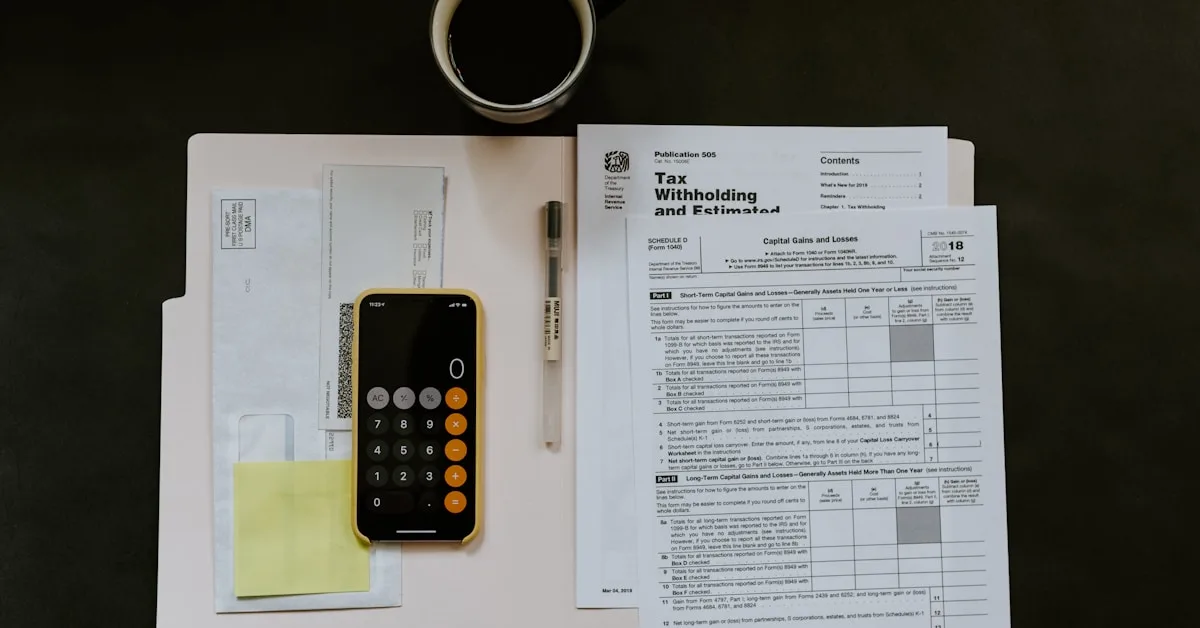
Unsplash - Unsplash License · original
If you already have a refinance offer that clearly lowers your monthly payment, shortens your term, or meets a cash-out need at an acceptable cost, do not wait for the July 28-29 FOMC meeting just to chase a slightly lower rate. If the math is marginal, waiting for fall rate moves may be reasonable, especially if your break-even point is long or you plan to sell soon. Mortgage rates can move before, during, or after a Federal Reserve meeting because lenders price loans from bond market expectations, not just the Fed’s announcement.
The Federal Reserve lists a scheduled FOMC meeting for July 28-29, 2026 (Federal Reserve, 2026). That meeting matters because it can shift expectations for inflation, Treasury yields, and lender pricing. But the Fed does not directly set 30-year fixed mortgage rates. It sets the federal funds target range, while mortgage rates are more closely tied to longer-term bond yields and investor expectations.
As of July 2026, rates change daily, verify current terms with a licensed lender before deciding. The Associated Press reported that the average US 30-year mortgage rate had fallen to 6.43 percent in early July, its lowest level in seven weeks, based on Freddie Mac data (AP, 2026). That is still high enough that many homeowners who refinanced or bought during 2020 and 2021 may not benefit from a standard rate-and-term refinance.
When refinancing now can make sense
Refinancing before the FOMC decision can make sense if your current mortgage rate is meaningfully higher than today’s quote and your savings survive the closing-cost test. A simple rule is to divide total refinance costs by monthly savings. If you pay $5,000 in costs and save $250 per month, your break-even point is 20 months.
That math matters more than guessing the Fed. If you expect to keep the home and loan well beyond the break-even point, locking now may be practical. It can also make sense if you need a cash-out refinance for a specific purpose, such as replacing higher-rate debt, funding repairs, or consolidating obligations into a payment you can manage. Cash-out refinancing increases your loan balance and can put your home at risk if payments become unaffordable, so compare it with a HELOC or home equity loan before committing.
A refinance may also be worth acting on if your loan profile has improved. A stronger credit score, lower debt-to-income ratio, higher home equity, or removal of mortgage insurance can change the economics even if headline rates have not fallen much.
When waiting for fall may be smarter
Waiting can make sense if your quoted rate is only slightly below your current rate. A small payment reduction can disappear once you add lender fees, title costs, appraisal charges, and prepaid escrow items. The CFPB advises borrowers to compare loan offers carefully, including interest rate, APR, fees, and closing costs (CFPB, 2026).
Read also: After the June FOMC Decision, Is There a Refinance Window in the US?
Waiting may also be reasonable if you are close to a credit milestone. Moving from a weaker credit tier to a stronger one can sometimes improve pricing more than a single Fed meeting. The same is true if you can reduce credit card balances before applying, increase documented income, or let recent late payments age.
Fall is not guaranteed to bring lower mortgage rates. If inflation data is stubborn, Treasury yields rise, or lenders price in more uncertainty, mortgage rates could move sideways or higher. The Federal Reserve’s H.15 release tracks selected market interest rates, including Treasury yields that influence mortgage pricing (Federal Reserve, 2026).
A practical decision rule
Get at least three written refinance quotes now, all on the same day if possible. Compare the interest rate, APR, points, lender credits, closing costs, monthly payment, and break-even point. Ask each lender how long the rate lock lasts and what it costs to extend.
If the refinance pays back its costs within a time frame you are confident you will keep the loan, locking before July 28-29 can be reasonable. If the savings are thin, the break-even point is longer than your likely timeline, or you are relying on a prediction about the Fed, waiting is usually the cleaner choice.
For most US homeowners, the best answer is not “refinance now” or “wait until fall.” It is: run the numbers now, know your break-even point, and refinance only when the loan improves your real financial position after costs.
This article is general educational information, not personalized financial, lending, tax, or legal advice. Loan eligibility, pricing, closing costs, and program availability vary by lender, borrower profile, property, and location. Confirm your options with a licensed mortgage lender, a HUD-approved housing counselor, or a qualified tax professional before making a refinancing decision.
Sources
- Federal Open Market Committee Calendars (accessed )
- Selected Interest Rates, H.15 (accessed )
- Mortgages (accessed )
- Average 30-year US mortgage rate falls to 6.43%, its lowest level in seven weeks (accessed )
Related articles

After the June FOMC Decision, Is There a Refinance Window in the US?
See whether the June FOMC decision created a refinance window in the US and how to compare rates, costs, and break-even timing.

How to Refinance Your Mortgage: A Step-by-Step Guide to Lower Your Rate or Tap Home Equity
Learn how to refinance your mortgage step-by-step, from checking rates to closing, with tips on timing, costs, and choosing the right loan type.

When Does Refinancing Your Mortgage Make Sense?
Find out when refinancing your mortgage is worth it, how to calculate your break-even point, and which refinance option fits your situation.
