Land Transfer Tax in Canada: Provincial Differences for First-Time Buyers
Land transfer tax rates and first-time buyer rebates vary significantly across Canadian provinces, with Ontario and British Columbia charging the highest rates while most provinces levy no transfer tax at all.

Pexels - Pixabay · original
In this article
Key Takeaway
Land transfer tax is a one-time provincial or municipal tax charged when you purchase property, but only five provinces and one municipality levy it. Ontario and British Columbia charge the highest rates (up to 2.5 per cent and 3 per cent respectively on portions of the purchase price), while Alberta, Saskatchewan, Manitoba, New Brunswick, Newfoundland and Labrador, Yukon, the Northwest Territories, and Nunavut charge none. Most provinces with land transfer tax offer first-time buyer rebates that can save you thousands of dollars at closing.
What Is Land Transfer Tax?
Land transfer tax (also called property transfer tax) is a one-time fee you pay to the provincial or municipal government when the legal title to a property is transferred from the seller to you. The tax is calculated as a percentage of the purchase price and is due on closing day. As foundational texts such as The Englishman’s House: A Practical Guide for Selecting and Building a House explain, understanding all costs associated with property acquisition helps buyers budget accurately for homeownership.
According to the Financial Consumer Agency of Canada, closing costs including land transfer tax typically add 1.5 to 4 per cent to your total home-buying expenses (FCAC, 2026).
The tax burden varies dramatically depending on where you buy. Some provinces charge nothing, while others levy significant fees that can reach C$15,000 or more on a median-priced home.
Provincial Land Transfer Tax Comparison
| Province/Territory | Land Transfer Tax | First-Time Buyer Rebate | Maximum Rebate |
|---|---|---|---|
| Ontario | 0.5% to 2.5% (tiered) | Up to C$4,000 | C$4,000 |
| Toronto (municipal) | Additional 0.5% to 2.5% | Up to C$4,475 | C$4,475 |
| British Columbia | 1% to 3% (tiered) | Full exemption up to C$835,000 | Variable |
| Prince Edward Island | 1% flat rate | 50% rebate | Variable |
| Nova Scotia | 1.5% flat rate | None | N/A |
| Montreal, Quebec | 0.5% to 3% (municipal) | Partial rebate | Variable |
| All other provinces/territories | None | N/A | N/A |
Provinces with Land Transfer Tax
Ontario
Ontario charges the highest land transfer tax in Canada, using a tiered rate structure. You pay 0.5 per cent on the first C$55,000, 1 per cent on amounts between C$55,000 and C$250,000, 1.5 per cent between C$250,000 and C$400,000, 2 per cent between C$400,000 and C$2 million, and 2.5 per cent above C$2 million.
First-time buyer rebate: Ontario offers a maximum rebate of C$4,000, which covers the full land transfer tax on homes priced up to C$368,000. To qualify, you must be a Canadian citizen or permanent resident, be at least 18 years old, and have never owned a home anywhere in the world (or your spouse must also qualify).
Toronto: Toronto charges an additional municipal land transfer tax with the same tiered rates, effectively doubling the cost. First-time buyers receive a separate Toronto rebate of up to C$4,475.
On a C$600,000 home in Toronto, you would pay approximately C$16,950 in combined provincial and municipal land transfer tax before rebates (as of August 2026).
British Columbia
British Columbia uses a tiered system: 1 per cent on the first C$200,000, 2 per cent between C$200,000 and C$3 million, 3 per cent between C$3 million and C$4 million, and 5 per cent above C$4 million.
First-time buyer exemption: BC offers the strongest first-time buyer benefit in Canada. Eligible buyers pay no land transfer tax on homes priced up to C$835,000 (as of 2026). On homes between C$835,000 and C$860,000, a partial exemption applies. To qualify, you must be a Canadian citizen or permanent resident, have lived in BC for 12 consecutive months, and have never owned an interest in a principal residence anywhere in the world.
Prince Edward Island
PEI charges a flat 1 per cent on the full purchase price.
First-time buyer rebate: Eligible first-time buyers receive a 50 per cent rebate on the land transfer tax, effectively reducing the rate to 0.5 per cent.
Nova Scotia
Nova Scotia charges a flat 1.5 per cent on the full purchase price with no first-time buyer relief.
Quebec (Montreal Only)
Most of Quebec has no provincial land transfer tax, but the City of Montreal charges a municipal transfer tax (called the welcome tax or taxe de bienvenue) using tiered rates: 0.5 per cent on the first C$58,900, 1 per cent between C$58,900 and C$294,600, 1.5 per cent between C$294,600 and C$500,000, 2 per cent between C$500,000 and C$1 million, 2.5 per cent between C$1 million and C$2 million, and 3 per cent above C$2 million.
First-time buyers in Montreal may qualify for a partial rebate depending on the assessed property value.
Provinces Without Land Transfer Tax
Seven provinces and three territories charge no land transfer tax: Alberta, Saskatchewan, Manitoba, New Brunswick, Newfoundland and Labrador, Yukon, the Northwest Territories, and Nunavut. In these jurisdictions, your closing costs are significantly lower.
Read also: How to Calculate Ontario Land Transfer Tax in Canada
However, you still pay other closing costs including legal fees (C$1,000 to C$2,000), title insurance (C$250 to C$400), property appraisal (C$300 to C$500), home inspection (C$400 to C$700), and mortgage default insurance if your down payment is under 20 per cent (CMHC, 2026).
Recommendations by Buyer Profile
First-time buyers in BC (homes under C$835,000): You receive the best deal in Canada with a full land transfer tax exemption. Budget only for other closing costs.
First-time buyers in Ontario (outside Toronto): The C$4,000 rebate covers the full tax on homes priced up to C$368,000. Above this threshold, budget carefully as the tax rises steeply. On a C$700,000 home, you will pay approximately C$9,475 after the rebate.
First-time buyers in Toronto: With combined provincial and municipal taxes, Toronto is the most expensive city for land transfer tax in Canada. Even with both rebates (totalling C$8,475), you will pay substantial tax on homes above C$400,000. Consider properties just outside Toronto city limits to avoid the double tax.
Buyers in provinces without land transfer tax: Direct your closing-cost budget toward legal fees, inspections, and your down payment rather than government transfer fees.
Move-up buyers: If you have owned a home before, you are ineligible for first-time buyer rebates regardless of how long ago you owned property. Budget the full land transfer tax amount when buying in Ontario, BC, PEI, or NS.
Conclusion
Land transfer tax can add thousands of dollars to your home purchase, but the cost varies dramatically by province. British Columbia offers the most generous first-time buyer benefit with a full exemption on homes up to C$835,000, while Toronto levies the highest combined tax burden. Seven provinces and three territories charge no land transfer tax at all, reducing your closing costs significantly. When budgeting for a home purchase, verify the current land transfer tax rates and first-time buyer programs in your province, and factor this cost into your down payment and closing-cost planning.
Frequently Asked Questions
Do I pay land transfer tax on a condo or only on a house?
Land transfer tax applies to all residential real estate purchases including condos, townhouses, detached homes, and vacant land when ownership is transferred. The tax is based on the purchase price regardless of property type.
Can I add land transfer tax to my mortgage?
No. Land transfer tax must be paid in cash on closing day and cannot be added to your mortgage principal. Budget for this cost separately as part of your total closing expenses.
What happens if I buy with a co-buyer who is not a first-time buyer?
In Ontario and BC, all registered owners must qualify as first-time buyers for the rebate or exemption to apply. If one co-buyer has owned property before, none of the buyers receive the first-time buyer benefit.
Does refinancing trigger land transfer tax?
No. Land transfer tax applies only when property ownership is transferred from one party to another. Refinancing your existing mortgage with the same or a different lender does not change ownership and incurs no land transfer tax.
Financial Disclaimer
This article provides general educational information about land transfer tax in Canada and is not personalized financial, legal, tax, or real estate advice. Land transfer tax rates, first-time buyer rebate amounts, and eligibility requirements vary by province and municipality and change periodically. The rates shown reflect information available as of August 2026. Consult a licensed real estate lawyer or qualified real estate professional in your province to confirm current rates, rebate eligibility, and total closing costs for your specific property purchase. First-time buyer definitions and qualification rules differ significantly between provinces and are subject to verification by provincial authorities.
Sources
- Mortgages and Home Buying (accessed )
- Home Buying Guide (accessed )
- Mortgages Information and Resources (accessed )
- The Englishman's House: A Practical Guide for Selecting and Building a House (accessed )
Related articles
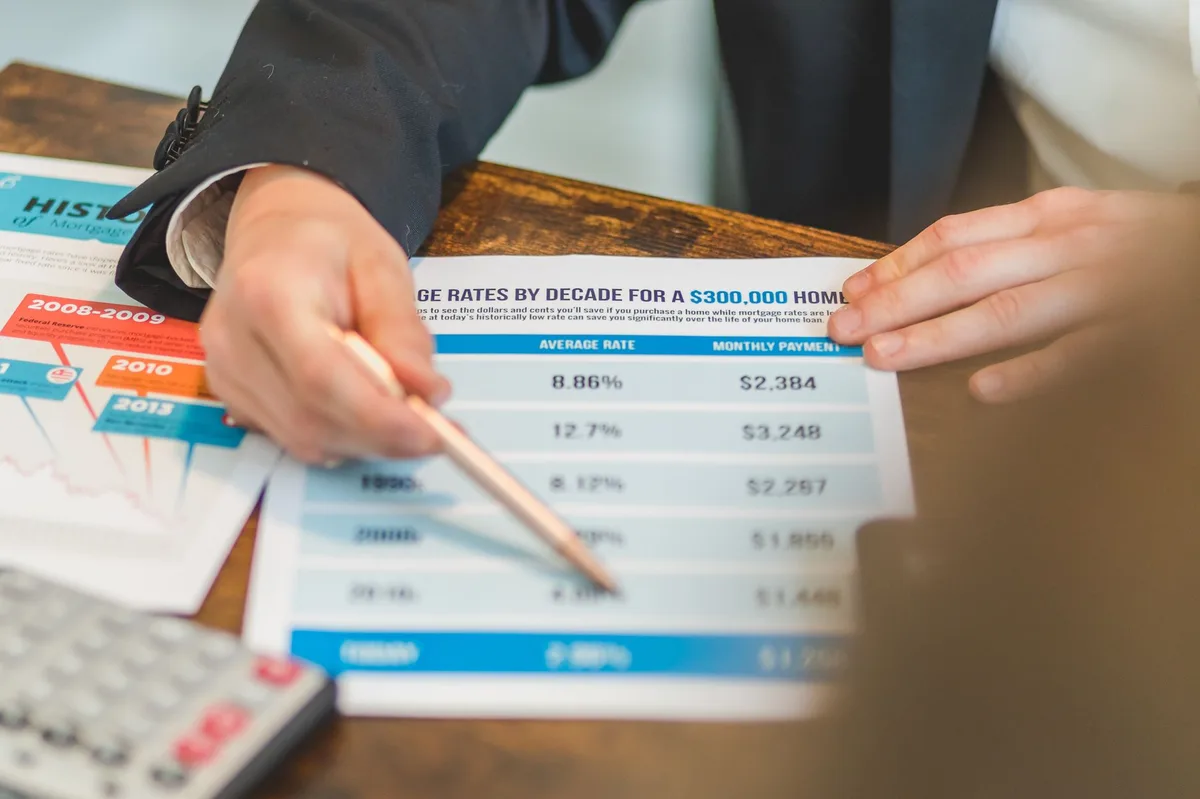
How to Calculate Ontario Land Transfer Tax in Canada
Calculate Ontario land transfer tax for your home purchase. Understand the progressive rate structure and first-time buyer rebate eligibility.
Ontario Land Transfer Tax in Canada: Calculate What You Owe and the First-Time Buyer Rebate
Estimate Ontario land transfer tax, Toronto MLTT, and the first-time buyer rebate before closing on a home in Canada.
First-Time Home Buyer's Guide to Getting a Mortgage in Canada
Learn how to get your first mortgage in Canada: credit requirements, the stress test, down payment rules, and closing steps explained.
