First-Time Home Buyer's Guide to Getting a Mortgage in Canada
A step-by-step guide to navigating the Canadian mortgage process as a first-time home buyer, from credit checks to closing.

Pexels - Pavel Danilyuk · original
In this article
Key Takeaway
Getting your first mortgage in Canada involves checking your credit score (aim for 680 or higher), saving a down payment (minimum 5 per cent for homes under C$500,000), passing the OSFI mortgage stress test, and choosing between a fixed-rate or variable-rate mortgage with a term of 1 to 5 years. You will also need mortgage default insurance from CMHC if your down payment is less than 20 per cent, and you must budget for closing costs including land transfer tax and legal fees.
Introduction
Buying your first home in Canada is an exciting milestone, but the mortgage process can feel overwhelming. Between the stress test, CMHC insurance, and understanding the difference between a mortgage term and amortization, first-time buyers face a steep learning curve. This guide walks you through every step of securing your first Canadian mortgage, from checking your credit to closing day.
What You Will Learn
- How to prepare your finances and credit for mortgage approval
- What the OSFI mortgage stress test is and how to pass it
- Down payment requirements and CMHC mortgage default insurance rules
- The difference between mortgage terms and amortization in Canada
- How to compare fixed-rate and variable-rate mortgages
- Common mistakes first-time buyers make and how to avoid them
Step 1: Check Your Credit and Financial Health
Before you start house hunting, review your credit report and score. Canadian lenders typically require a minimum credit score of 680 for the best mortgage rates, though some will approve scores as low as 600 with conditions. According to the Financial Consumer Agency of Canada, your credit history, income stability, and existing debt all influence your mortgage approval (FCAC, 2026).
Pay down high-interest debt, avoid opening new credit accounts, and ensure all bills are paid on time in the months leading up to your application. Request your free credit report from Equifax or TransUnion to check for errors.
Step 2: Understand the Mortgage Stress Test
All Canadian mortgage applicants must pass the OSFI mortgage stress test, a regulatory requirement designed to ensure you can still afford your mortgage if interest rates rise. You must qualify at the higher of your contract rate plus 2 per cent or the OSFI qualifying rate (5.25 per cent as of September 2026).
This means if you are offered a mortgage at 4.5 per cent, the lender will assess your ability to pay at 6.5 per cent. The stress test reduces the amount you can borrow, so factor this into your home search budget (OSFI, 2026).
Step 3: Save for Your Down Payment
The minimum down payment in Canada depends on the purchase price. For homes under C$500,000, you need at least 5 per cent. For the portion between C$500,000 and C$999,999, you need 10 per cent. For homes C$1 million and over, the minimum is 20 per cent.
If your down payment is less than 20 per cent, you must purchase mortgage default insurance from CMHC, Sagen, or Canada Guaranty. This insurance protects the lender if you default and adds 2.8 to 4 per cent of the loan amount to your mortgage. The Canada Mortgage and Housing Corporation provides detailed information on insurance premiums and eligibility (CMHC, 2026).
Consider using the Home Buyers’ Plan, which lets you withdraw up to C$60,000 from your RRSP tax-free for a down payment, provided you repay it over 15 years.
Step 4: Get Pre-Approved
A mortgage pre-approval gives you a rate hold (typically 90 to 120 days) and shows sellers you are a serious buyer. During pre-approval, the lender verifies your income, reviews your credit, and confirms how much you can borrow.
Gather your documents: recent pay stubs, two years of tax returns and notices of assessment, proof of down payment (bank statements or gift letters), and government-issued ID. Pre-approval is not a guarantee, but it gives you a clear budget and strengthens your offer.
Step 5: Compare Mortgage Types and Terms
Canadian mortgages differ from the American 30-year fixed model. You choose a mortgage term (the period your rate and conditions are locked in, typically 1 to 5 years) and an amortization period (the total time to pay off the loan, usually 25 or 30 years). At the end of each term, you renew or refinance.
Fixed-rate mortgages offer stability: your rate stays the same for the entire term. Variable-rate mortgages fluctuate with the Bank of Canada policy rate and may save you money if rates fall, but carry more risk.
As covered in Principles of Finance (OpenStax, 2022), understanding the time value of money and interest rate risk is foundational to choosing the right mortgage structure for your financial goals.
Also decide between open and closed mortgages. Closed mortgages have lower rates but charge prepayment penalties if you pay off the loan early. Open mortgages allow unlimited prepayments but come with higher rates.
Read also: First-Time Home Buyer Guide to Getting a Mortgage in Canada
Step 6: Apply and Close
Once your offer is accepted, finalize your mortgage application. The lender will order a home appraisal to confirm the property value and review the title. You will also need a home inspection (not required by lenders but strongly recommended).
Budget for closing costs, which typically run 1.5 to 4 per cent of the purchase price. These include land transfer tax (provincial, and municipal in some cities), legal fees, title insurance, home insurance, and property tax adjustments. In Ontario, for example, land transfer tax on a C$600,000 home is approximately C$8,475, plus another C$8,475 if you are buying in Toronto.
On closing day, your lawyer will register the title, transfer funds, and hand over the keys.
Common Mistakes to Avoid
- Skipping the stress test calculation: Many buyers are surprised by how much less they qualify for after the stress test. Calculate this before you start shopping.
- Not budgeting for CMHC insurance and closing costs: These add thousands to your upfront costs.
- Choosing the longest amortization automatically: A 25-year amortization saves you tens of thousands in interest compared to 30 years.
- Ignoring prepayment privileges: Many closed mortgages allow 10 to 20 per cent annual prepayments penalty-free. Use this to pay down your principal faster.
- Forgetting to shop around: Rates and terms vary significantly between lenders. Compare at least three offers, including mortgage brokers, banks, and credit unions.
Frequently Asked Questions
Can I get a mortgage with less than 5 per cent down?
No. The minimum down payment in Canada is 5 per cent for homes under C$500,000. Some lenders may offer incentive programs or down payment assistance, but you cannot obtain a conventional mortgage with less than the regulatory minimum.
How long does mortgage approval take?
Pre-approval typically takes 1 to 3 business days. Full approval after an accepted offer can take 2 to 4 weeks, depending on the lender’s workload, appraisal timing, and how quickly you provide documents.
What is the difference between a mortgage term and amortization?
The term is the length of your rate contract (usually 1 to 5 years), after which you renew or refinance. The amortization is the total time to pay off the mortgage (commonly 25 or 30 years). You renew your mortgage multiple times over the amortization period.
Conclusion
Getting your first mortgage in Canada requires careful preparation, but the process is manageable when you understand the steps. Start by reviewing your credit and saving for a down payment that meets the minimum threshold. Pass the OSFI stress test by keeping your debt low and income stable. Compare fixed and variable rates, understand the term versus amortization structure, and budget for CMHC insurance and closing costs.
Work with a licensed mortgage broker or financial institution to explore your options, and confirm all eligibility requirements and costs for your specific situation. Once approved, review your mortgage documents carefully before signing, and plan to reassess your options when your term comes up for renewal.
Disclaimer: This article provides general educational information only and is not personalized financial, lending, legal, or tax advice. Mortgage rules, rates, products, and eligibility vary by province, lender, and your individual circumstances. CMHC insurance requirements, the OSFI mortgage stress test, land transfer tax, and available programs differ depending on where you live and which lender you choose. Rates and terms change frequently. Consult a licensed mortgage broker, financial advisor, or the Financial Consumer Agency of Canada for guidance specific to your situation before making any mortgage decisions.
Sources
- Mortgages and Home Buying (accessed )
- Home Buying Guide (accessed )
- Residential Mortgage Underwriting Practices and Procedures (accessed )
- Principles of Finance (accessed )
Related articles
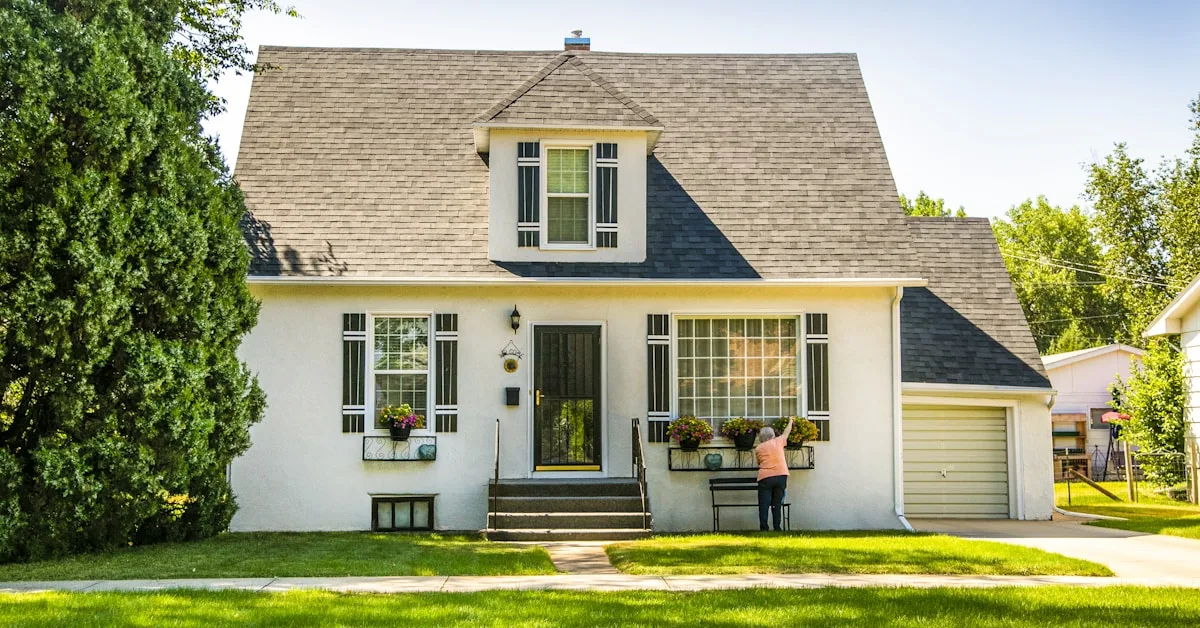
First-Time Home Buyer Guide to Getting a Mortgage in Canada
Complete guide to getting your first mortgage in Canada: the stress test, down payment rules, CMHC insurance, mortgage terms, and the approval process.
5 Mortgage Strategies for Fall Home Buyers in Canada
5 smart mortgage strategies for fall home buyers in Canada. Learn how to leverage seasonal market patterns, rate trends, and timing for better terms.

First-Time Home Buyer's Guide to Getting a Mortgage in Canada
Compare mortgage options for first-time buyers in Canada: conventional loans, CMHC-insured mortgages, FHSA, and Home Buyers' Plan strategies.
