First-Time Home Buyer Guide to Getting a Mortgage in Canada
Learn how the Canadian mortgage process works for first-time buyers, from pre-approval and the stress test to down payments, CMHC insurance, and choosing between mortgage terms.
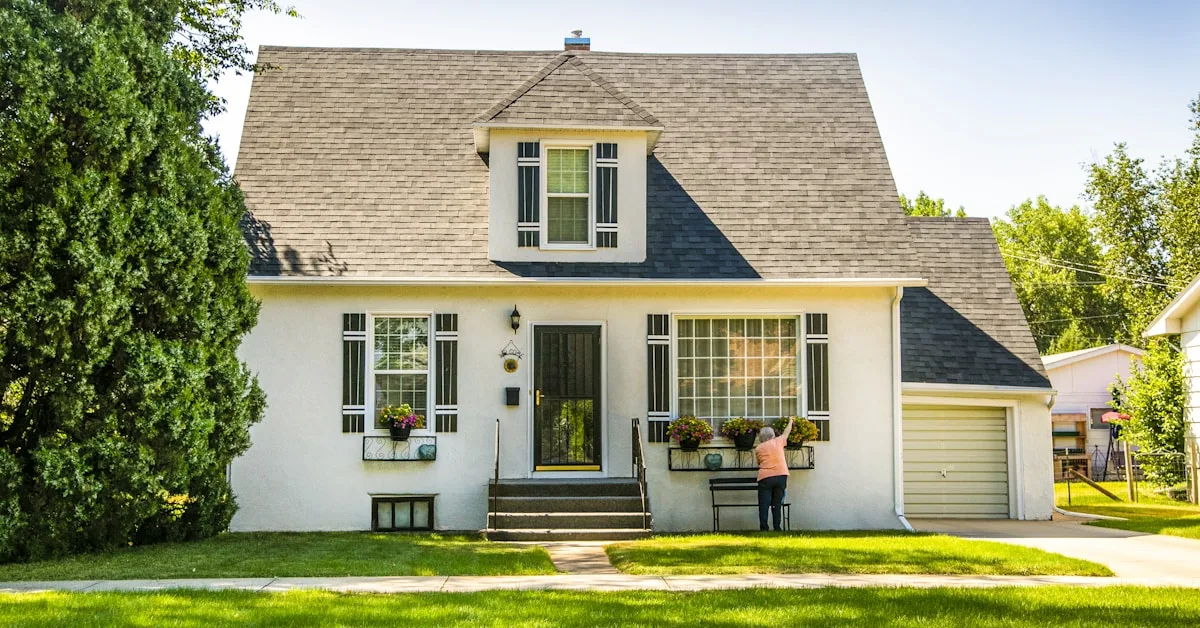
Pexels - Pavel Danilyuk · original
In this article
Key Takeaway
Getting your first mortgage in Canada requires passing the OSFI mortgage stress test, saving at least a 5 per cent down payment (plus CMHC insurance if under 20 per cent), and choosing a mortgage term (typically 1 to 5 years) that fits your rate preference and budget. The mortgage approval process involves pre-approval, a formal application with income and credit verification, and a property appraisal before your lender commits to fund the purchase.
What Is the First-Time Home Buyer Mortgage Process?
The Canadian mortgage process for first-time buyers is a multi-step qualification and approval system that determines how much you can borrow, at what interest rate, and under what terms. Unlike the United States 30-year fixed mortgage model, Canadian mortgages operate on a term-and-renewal structure: you select a mortgage term (commonly 1 to 5 years) during which your rate and conditions are locked, then renew or renegotiate at the end of that term until the full amortization period (the total payoff timeline, typically 25 or 30 years) is complete.
According to the Canada Mortgage and Housing Corporation, first-time buyers must navigate down payment requirements, mortgage default insurance rules, the stress test, and lender-specific qualification criteria before securing financing (CMHC, 2026).
Why the First-Time Buyer Mortgage Process Matters
Understanding the mortgage process helps you budget accurately, avoid costly mistakes, and choose the right mortgage product for your financial situation. The difference between a fixed-rate and variable-rate mortgage, or between a 3-year and 5-year term, can mean thousands of dollars in interest over the life of your mortgage. The Financial Consumer Agency of Canada emphasizes that informed borrowers are better positioned to negotiate terms, compare lenders, and manage prepayment privileges effectively (FCAC, 2026).
First-time buyers also face specific challenges: saving a down payment while renting, qualifying under the stress test with entry-level income, and understanding CMHC insurance costs. Knowing the process in advance lets you prepare your credit, gather documentation, and shop for the best rate before making an offer on a property.
How the Canadian Mortgage Process Works for First-Time Buyers
Step 1: Pre-Approval
Pre-approval is the starting point. You approach a lender (a bank, credit union, or mortgage broker) with proof of income, employment, and credit history. The lender reviews your financial profile and issues a pre-approval letter stating the maximum mortgage amount you qualify for and a rate hold (typically 90 to 120 days). Pre-approval does not guarantee final funding, but it signals to sellers that you are a serious buyer and helps you set a realistic budget.
Step 2: The OSFI Mortgage Stress Test
All federally regulated lenders in Canada must apply the mortgage stress test under OSFI Guideline B-20. You must qualify at the higher of the Bank of Canada’s posted qualifying rate or your contract rate plus 2 percentage points. For example, if your lender offers you a 4.5 per cent rate, you must prove you can afford payments at roughly 6.5 per cent. This ensures you can still manage your mortgage if rates rise at renewal (OSFI, 2026).
Step 3: Down Payment and CMHC Insurance
The minimum down payment in Canada depends on the purchase price:
- 5 per cent on the first C$500,000
- 10 per cent on the portion between C$500,000 and C$1 million
- 20 per cent on amounts above C$1 million
If your down payment is less than 20 per cent of the purchase price, you must buy mortgage default insurance from CMHC, Sagen, or Canada Guaranty. The insurance premium (ranging from roughly 2.8 to 4 per cent of the mortgage amount, depending on your down payment size) is typically added to your mortgage balance. Mortgage default insurance protects the lender if you default, not you.
Step 4: Choosing Your Mortgage Term and Type
Canadian mortgages separate the term from the amortization. The term is the period (commonly 1, 2, 3, 4, or 5 years) during which your interest rate and conditions are fixed. At the end of the term, you renew the mortgage, often at a new rate, and repeat until the full amortization is paid off.
You also choose between:
Read also: A First-Time Home Buyer’s Guide to Getting a Mortgage in Canada
- Fixed-rate mortgage: your interest rate stays constant for the entire term, offering payment predictability.
- Variable-rate mortgage: your rate fluctuates with the lender’s prime rate (which tracks the Bank of Canada’s policy rate), potentially saving money if rates fall or costing more if they rise.
- Open versus closed: a closed mortgage locks you in for the term with limited prepayment privileges but a lower rate; an open mortgage lets you prepay or pay off the balance anytime without penalty, but carries a higher rate.
As covered in foundational texts such as Principles of Finance, borrowers balance interest rate risk, payment stability, and liquidity when selecting mortgage structures.
Step 5: Formal Application and Underwriting
Once you have an accepted offer on a property, you submit a formal mortgage application. The lender verifies your income (pay stubs, T4s, Notice of Assessment for self-employed buyers), reviews your credit report, and orders a property appraisal to confirm the home’s value supports the loan amount. If everything checks out, the lender issues a mortgage commitment letter outlining the final approved amount, rate, term, and conditions.
Step 6: Closing and Legal Costs
Before closing, budget for land transfer tax (provincial, and municipal in some cities like Toronto), legal fees (typically C$1,500 to C$2,500), a home inspection, title insurance, and adjustments for prepaid property taxes or utilities. Your lawyer handles the title transfer and registers the mortgage on closing day, at which point the lender funds the purchase and you receive the keys.
Canadian-Context Examples and Programs
Several federal and provincial programs support first-time buyers:
- Home Buyers’ Plan (HBP): withdraw up to C$60,000 from your RRSP tax-free (C$120,000 for a couple) to use toward your down payment, repaying it over 15 years.
- First-Time Home Buyer Incentive (closed to new applicants as of March 2024, but existing participants remain enrolled): a shared-equity mortgage with the federal government.
- Provincial land transfer tax rebates: Ontario, British Columbia, and other provinces offer partial or full rebates for first-time buyers, reducing closing costs by several thousand dollars.
Mortgage rates and qualification rules vary by lender and province. As of August 2026, rates remain sensitive to Bank of Canada policy decisions; confirm current terms with a licensed mortgage professional before committing.
Conclusion
The first-time home buyer mortgage process in Canada hinges on pre-approval, passing the stress test, assembling your down payment and CMHC insurance, choosing the right mortgage term and rate type, and completing underwriting and closing. By understanding the distinction between term and amortization, preparing your credit and documentation early, and comparing lenders through a mortgage broker or direct research, you position yourself to secure competitive financing and avoid costly surprises.
Consult a licensed mortgage broker or your financial institution for guidance tailored to your income, credit, and the property you are purchasing. Mortgage rules, stress test thresholds, and available programs differ by province and lender, so verify current requirements before making an offer.
Financial Disclaimer: This article provides general educational information about the Canadian mortgage process for first-time home buyers and is not personalized financial, lending, legal, or tax advice. It is not an offer or commitment to lend. Mortgage qualification, rates, terms, CMHC insurance premiums, land transfer tax, and available programs vary by province, lender, and your personal financial circumstances. The OSFI mortgage stress test, down payment requirements, and prepayment privileges differ depending on the lender and product you choose. Rates and policies change frequently; verify current terms with a licensed mortgage broker or financial institution before making any mortgage or home purchase decisions. For personal advice, consult a licensed mortgage professional, the Financial Consumer Agency of Canada, or a qualified tax advisor.
Sources
- Home Buying Guide (accessed )
- Mortgages and Home Buying (accessed )
- Residential Mortgage Underwriting Practices and Procedures (accessed )
- Principles of Finance (accessed )
Related articles

First-Time Home Buyer's Guide to Getting a Mortgage in Canada
Learn how to get your first mortgage in Canada: credit requirements, the stress test, down payment rules, and closing steps explained.
5 Mortgage Strategies for Fall Home Buyers in Canada
5 smart mortgage strategies for fall home buyers in Canada. Learn how to leverage seasonal market patterns, rate trends, and timing for better terms.

First-Time Home Buyer's Guide to Getting a Mortgage in Canada
Compare mortgage options for first-time buyers in Canada: conventional loans, CMHC-insured mortgages, FHSA, and Home Buyers' Plan strategies.
