What OSFI's Stress Test Change Means for Mortgage Renewals in Canada
OSFI's stress test exception for certain uninsured mortgage switches has reduced one barrier for some Canadian borrowers, but it does not remove the stress test altogether. Here is what changed, what did not, and why the market is still confused.

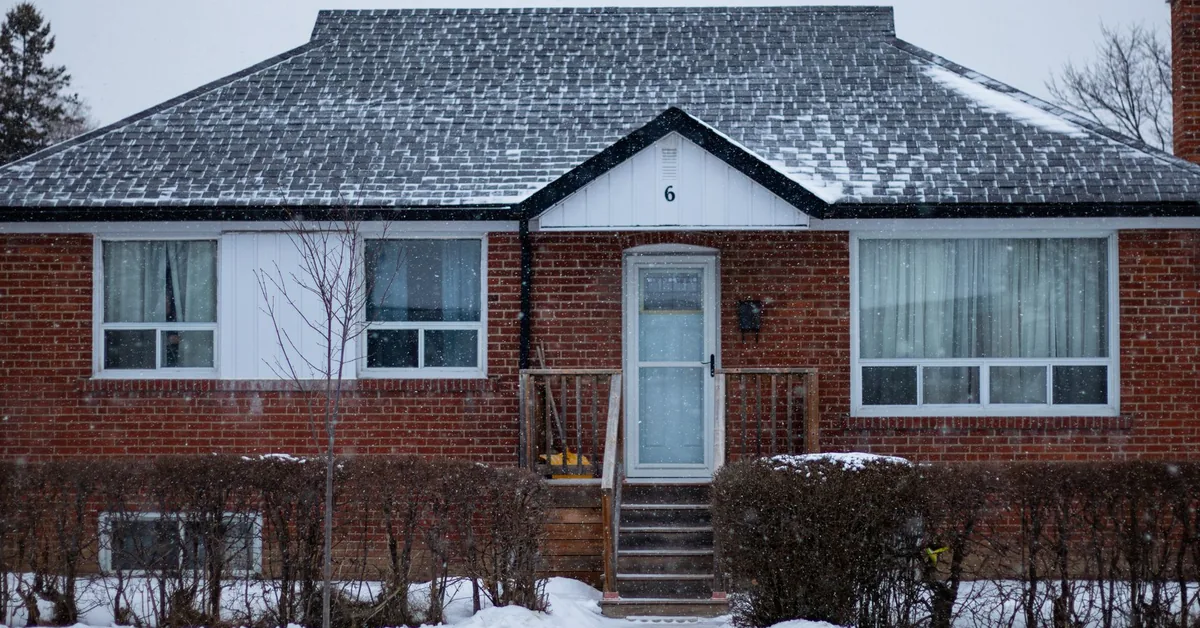
Unsplash - Unsplash License · original
In this article
OSFI’s stress test change does not eliminate Canada’s mortgage stress test. It mainly affects certain uninsured borrowers who switch lenders at renewal without increasing the loan amount or extending the amortization. The confusion comes from treating that narrow exception as if it applies to all renewals, refinances, insured mortgages, and new purchases, which it does not.
What changed
Canada’s mortgage stress test is the qualifying-rate test lenders use to check whether a borrower could still afford payments if rates rise. For federally regulated lenders, OSFI’s Guideline B-20 sets expectations for residential mortgage underwriting, including how lenders assess borrower capacity (OSFI, 2026).
The recent change that sparked confusion relates to certain uninsured mortgage switches at renewal. In plain English, some borrowers with at least 20 per cent equity who are simply moving the same mortgage balance to another lender may not have to requalify under the minimum qualifying rate if the switch is a straight transfer.
That is different from a refinance. If you borrow more money, extend the amortization, consolidate debt, add a HELOC, or materially change the risk of the loan, the lender may still need to underwrite the file as a new or changed mortgage.
Why the industry is confused
The confusion is partly about vocabulary. In Canada, a mortgage term is the contract period, often one to five years, while the amortization is the total time planned to pay the mortgage off. A borrower can renew a five-year term while keeping a 25-year amortization schedule, switch lenders at renewal, or refinance into a new structure. Those are not the same transaction.
It is also partly about lender scope. OSFI regulates federally regulated financial institutions, such as banks. Credit unions and other lenders may follow different provincial or internal rules, even when their underwriting looks similar in practice. The Financial Consumer Agency of Canada notes that mortgage details, costs, penalties, and renewal options can vary by lender and mortgage contract (FCAC, 2026).
What still triggers stress-test scrutiny
Do not assume the exception applies if your mortgage file changes. You should expect a fuller qualification review if you are increasing the mortgage balance, taking cash out, extending the amortization, switching from insured to uninsured lending, adding a secured line of credit, or changing borrowers on title.
Read also: Why Canada Is Keeping the Mortgage Stress Test
The stress test also still matters for purchases. If you are buying a home, your lender will assess income, debts, credit, down payment, loan-to-value ratio, and whether mortgage default insurance is required. In Canada, mortgage default insurance generally applies when the down payment is under 20 per cent, subject to program rules and property eligibility.
Rates also remain a moving target. The Bank of Canada’s key interest rate influences variable rates and lender funding conditions, although mortgage rates also depend on bond yields, lender competition, borrower risk, and product type (Bank of Canada, 2026). As of July 2026, rates change frequently, so verify current terms with a licensed mortgage professional before deciding.
What homeowners should do now
If your term is ending, ask your current lender for its renewal offer, then compare it with switch offers from other lenders. Confirm whether your mortgage is insured or uninsured, whether you are keeping the same remaining amortization, and whether the new lender treats your file as a straight switch or a refinance.
Also ask about prepayment privileges, discharge fees, appraisal fees, legal costs, and penalties. A lower posted rate is not always the better deal if the contract has weak prepayment options or a harsh interest rate differential penalty.
Bottom line
OSFI’s stress test change may improve renewal competition for some Canadian homeowners, especially uninsured borrowers who want to switch lenders without increasing their debt. It does not remove the stress test from new purchases, refinances, cash-out borrowing, or every lender’s underwriting process.
This article is general educational information only. It is not personalized financial, lending, legal, or tax advice, and it is not an offer or commitment to lend. Mortgage rules and products vary by province and territory, lender, borrower profile, mortgage default insurance status, and contract terms. Confirm your situation with a licensed mortgage broker, your financial institution, the FCAC, or a qualified tax professional before acting.
Sources
- Residential Mortgage Underwriting Practices and Procedures (accessed )
- Mortgages (accessed )
- Key Interest Rate (accessed )
Related articles
Why Canada Is Keeping the Mortgage Stress Test
Understand why Canada's mortgage stress test remains important, what OSFI protects, and how it affects buyers and refinancers.

Canada's Mortgage Stress Test: What Borrowers Need to Know
Learn how Canada's mortgage stress test works, why lenders use it, and how it affects mortgage qualification in 2026.

What Changes Are in Store for Canada's Mortgage Stress Test?
Canada's mortgage stress test is not being scrapped. Learn what may change for renewals, switches, refinancing and qualification.
