Open vs Closed Mortgages in Canada: Prepayment Options Explained
Understanding the difference between open and closed mortgages helps you choose the right prepayment flexibility for your financial situation.

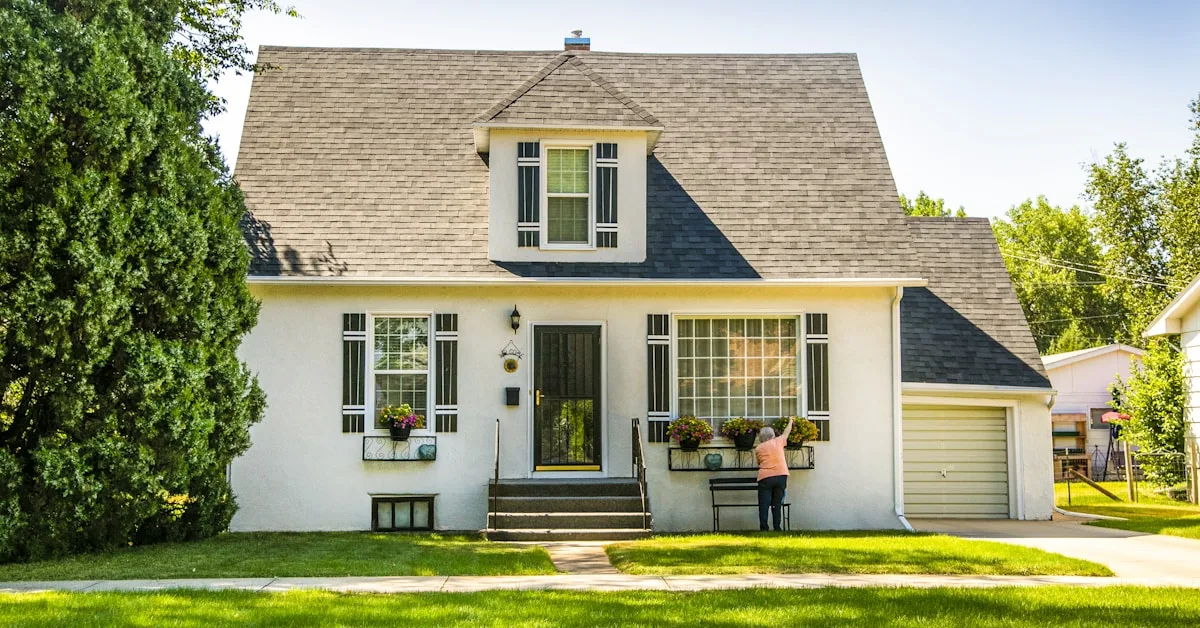
Pexels - RDNE Stock project · original
In this article
Key Takeaway
An open mortgage in Canada lets you repay any amount at any time without penalty, offering maximum flexibility but typically carrying interest rates 2 to 4 percentage points higher than closed mortgages. A closed mortgage locks you into specific terms for the duration of your mortgage term (commonly 1 to 5 years) but offers lower rates and limited prepayment privileges, such as the ability to make extra payments of 10 to 20 per cent of your original principal annually. Most Canadian homeowners choose closed mortgages for the rate savings, relying on the included prepayment privileges to manage their debt efficiently.
What Makes Them Different
The distinction between open and closed mortgages centres on flexibility and cost. According to the Financial Consumer Agency of Canada, an open mortgage allows you to repay the entire balance at any time without triggering a prepayment penalty. This means you can make unlimited lump-sum payments, increase your regular payment amounts, or pay off the mortgage completely if you sell your home or receive a windfall. The trade-off for this freedom is a significantly higher interest rate, as foundational texts such as Principles of Finance explain that lenders price in the risk of early repayment by charging a premium.
A closed mortgage restricts how much extra you can pay during the term. If you exceed the allowed prepayment privileges or break the mortgage before the term ends, you face a prepayment penalty, which is calculated as either three months of interest or the interest rate differential (IRD), whichever is greater. The IRD penalty can be substantial, especially if interest rates have fallen since you signed your mortgage, but the closed structure allows lenders to offer much lower rates, typically between 4 and 6 per cent as of October 2026, compared to 6 to 8 per cent or higher for open mortgages.
Prepayment Privileges in Closed Mortgages
Most closed mortgages in Canada include prepayment privileges that give you meaningful flexibility without the cost of an open mortgage. According to the Canada Mortgage and Housing Corporation, common prepayment options include the ability to increase your regular payment by 10 to 20 per cent annually, make lump-sum payments of 10 to 20 per cent of your original principal each year, or do both. These privileges vary by lender and product, so it is essential to confirm the exact terms before you commit.
For example, if your original mortgage principal is C$400,000 and your lender offers a 20-per-cent annual prepayment privilege, you can pay up to C$80,000 extra in a calendar year without penalty. You can also increase your regular monthly payment by up to 20 per cent, accelerating your paydown within the allowed limits. These privileges reset each year, giving you ongoing opportunities to reduce your amortization and interest costs. If you exceed the privilege amount, the lender charges a prepayment penalty on the excess.
When Each Type Makes Sense
An open mortgage makes sense in specific short-term situations. Choose an open mortgage if you plan to sell your home within the next 6 to 12 months and want to avoid a prepayment penalty when you pay off the mortgage at closing. Open mortgages also suit borrowers who expect a large influx of cash soon, such as an inheritance, business sale, or bonus, and want the freedom to apply that money immediately without restriction. Because of the higher rate, most borrowers use open mortgages as a bridge for only a few months, not for the full multi-year term.
Read also: Open vs Closed Mortgages in Canada: Decision Checklist
A closed mortgage is the better choice for the vast majority of Canadian homeowners. The lower interest rate saves you thousands of dollars over a typical 3 to 5 year term, and the included prepayment privileges provide enough flexibility for most households to make extra payments when cash flow allows. According to Ratehub, over 90 per cent of Canadian mortgages are closed, reflecting the preference for rate savings combined with structured prepayment options.
What to Do Next
Compare the interest rates and prepayment privileges offered by multiple lenders before deciding. Review your financial situation and consider whether you genuinely need unlimited prepayment flexibility or whether the standard 10 to 20 per cent annual prepayment privilege in a closed mortgage meets your needs. If you are unsure, speak with a licensed mortgage broker who can assess your circumstances and recommend the product that balances cost and flexibility for your goals. Confirm all prepayment terms in writing before you sign, as they vary by lender, product, and province.
Disclaimer: This information is general educational content only and is not personalized financial, lending, legal, or tax advice, nor an offer or commitment to lend. Mortgage products, rates, prepayment privileges, and penalties vary by lender, province, and your individual circumstances. As of October 2026, rates change frequently. Verify current terms with a licensed mortgage professional or your financial institution before making any decisions. For personal advice, consult a licensed mortgage broker or qualified financial advisor.
Sources
- Mortgages (accessed )
- Home Buying (accessed )
- Mortgages (accessed )
- Principles of Finance (accessed )
Related articles

Open vs Closed Mortgages in Canada: Decision Checklist
Choose between open and closed mortgages in Canada. Checklist covers rates, prepayment flexibility, penalties, and when each type fits your goals.
First-Time Home Buyer Guide to Getting a Mortgage in Canada
Complete guide to getting your first mortgage in Canada: the stress test, down payment rules, CMHC insurance, mortgage terms, and the approval process.

Open Versus Closed Mortgages in Canada: Which Flexibility Is Worth the Higher Rate
Compare open and closed mortgages in Canada. Understand prepayment flexibility, rate differences, and when each type makes financial sense.
