Mortgage Outlook After Bank of Canada Rate Hold in Canada
The Bank of Canada's decision to hold its policy rate steady signals a pause in the rate cycle, with direct implications for fixed and variable mortgage rates, renewals, and borrower strategy.

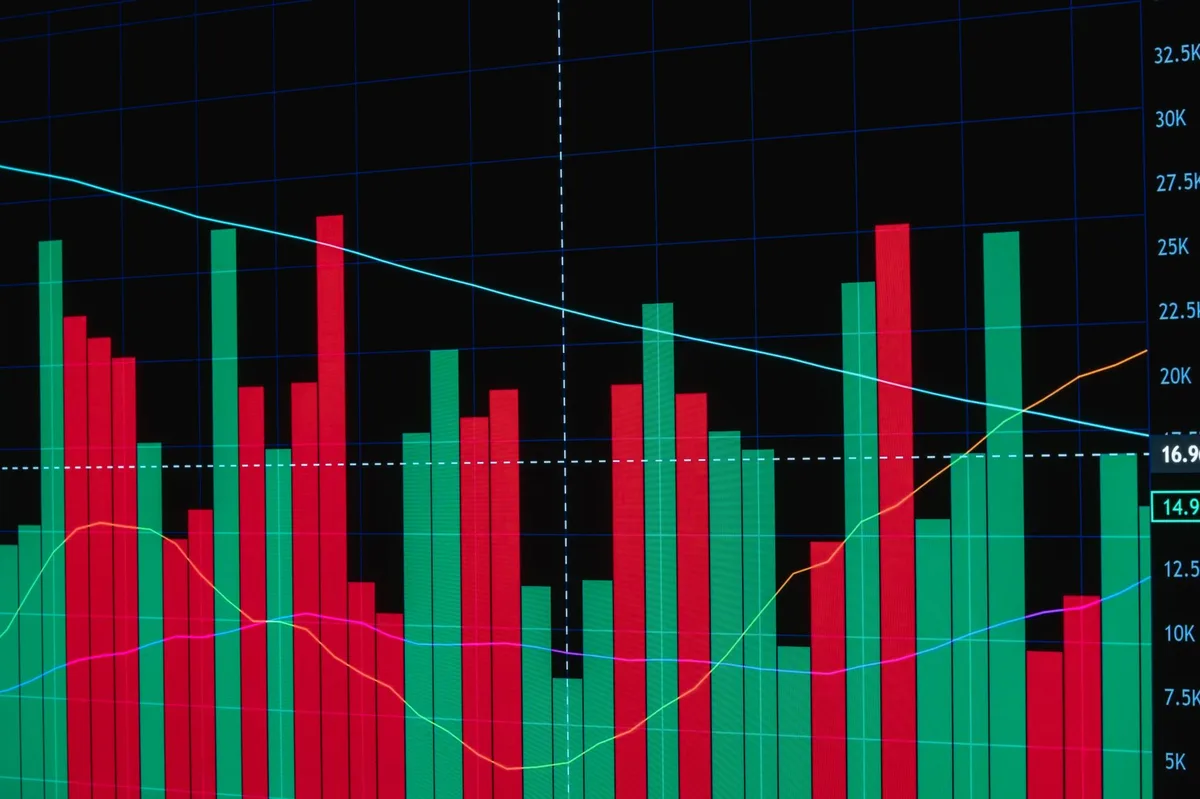
Pexels - Aurelijus U. · original
In this article
Key Takeaway
When the Bank of Canada holds its policy interest rate steady, it signals a pause in the rate cycle. For Canadian mortgage holders, this typically means fixed mortgage rates may stabilize or edge lower if bond markets anticipate future cuts, while variable-rate holders see no immediate change to their monthly payments but gain clarity on near-term costs. The hold creates a window for renewal and refinancing decisions, though the path forward depends on inflation data and economic conditions in the months ahead.
Introduction
The Bank of Canada’s policy rate decisions ripple through the Canadian mortgage market, influencing what lenders charge for both fixed-term and variable-rate products. When the central bank announces a rate hold, maintaining the overnight rate at its current level rather than raising or cutting, it reflects a balance between controlling inflation and supporting economic growth. For mortgage borrowers, homebuyers, and those approaching renewal, understanding what a rate hold means and how it shapes the mortgage outlook is essential to making informed financing decisions.
What a Rate Hold Means
According to the Bank of Canada, the policy interest rate (the target for the overnight rate) is the tool the central bank uses to influence borrowing costs across the economy (Bank of Canada, 2026). When the Bank holds this rate steady, it is choosing not to tighten or ease monetary policy at that meeting. Variable-rate mortgages, which are tied to lenders’ prime rates (themselves based on the policy rate), see no immediate change in the interest rate charged. Fixed-rate mortgages, by contrast, are priced off Government of Canada bond yields, which move based on market expectations of future policy rate changes and economic conditions.
As foundational texts such as Principles of Macroeconomics 3e explain, central banks adjust policy rates to balance inflation against growth, and a hold often signals that the bank believes current conditions do not yet warrant a change. In practical terms, a hold buys time for recent rate moves to work through the economy and for new data to clarify the path ahead.
Why the Bank of Canada Held Rates
A rate hold typically occurs when inflation is moderating but not yet at the Bank of Canada’s 2 per cent target, or when economic growth is slowing and further rate increases risk tipping the economy into contraction. The central bank considers employment data, consumer price inflation, wage growth, and housing activity before each decision. In recent cycles, the Bank has used rate holds to pause after a series of increases, allowing the lagged effects of prior hikes to filter through mortgage renewals, consumer spending, and business investment before committing to further tightening or beginning a cutting cycle.
For mortgage markets, the hold sends a signal that the Bank is neither urgently fighting inflation with additional hikes nor confident enough in falling inflation to start lowering rates. This middle ground often corresponds with a period of relative stability in lender pricing, though markets may still adjust fixed-rate offerings based on their own forecast of the next move.
Impact on Fixed-Rate Mortgages
Fixed-rate mortgages in Canada are typically offered for terms of one to five years, with the five-year fixed being the most common. These rates are set by lenders based on the yields of Government of Canada bonds with similar maturities, plus a spread for the lender’s risk and profit margin. When the Bank of Canada holds its policy rate, bond yields may fall if investors anticipate that the next move will be a rate cut, or they may hold steady if the market expects the hold to persist for several meetings.
In the weeks following a rate hold, fixed mortgage rates often stabilize. If bond markets interpret the hold as a precursor to eventual cuts (for example, if inflation data continues to improve), fixed rates may drift lower as lenders compete for volume. Conversely, if the hold is seen as temporary and further increases remain possible, fixed rates may stay elevated. Borrowers shopping for a fixed-term mortgage during a hold period benefit from a clearer picture of near-term rates, though they should verify current offerings with licensed mortgage brokers, as lender pricing varies by institution, down payment, and borrower profile.
Impact on Variable-Rate Mortgages
Variable-rate mortgages are directly tied to the lender’s prime rate, which moves in step with the Bank of Canada policy rate. When the Bank holds, prime rates across the major Canadian banks remain unchanged, and borrowers with variable-rate mortgages see no change to the interest portion of their monthly payment (for adjustable-rate products) or to the principal-interest split (for fixed-payment variable products).
Read also: Understanding Bank of Canada Rate Holds and Your Mortgage in Canada
For variable-rate holders, a hold provides certainty: the cost of borrowing will not increase at the next scheduled rate announcement. However, the hold does not guarantee that rates will not rise in future meetings, and borrowers remain exposed to the risk of future increases if inflation resurges or economic data shifts. According to the Financial Consumer Agency of Canada, variable-rate mortgage holders should understand that their rate can change at any time based on the lender’s prime rate, and they should factor potential rate increases into their budget and stress-test their ability to handle higher payments (FCAC, 2026).
What This Means for Mortgage Renewals
Most Canadian mortgages come up for renewal every one to five years, at the end of the mortgage term. Borrowers approaching renewal during or shortly after a rate hold face a decision: lock in a fixed rate at current levels, or move to (or stay with) a variable rate in anticipation of future cuts. The hold itself does not answer this question, but it clarifies the starting point.
If the hold follows a series of rate increases, renewal rates will be higher than the rate the borrower paid during their previous term, sometimes significantly so. In this case, borrowers must budget for the higher payment under the OSFI mortgage stress test qualifying rate and decide whether the potential for future cuts justifies the risk of a variable rate, or whether the certainty of a fixed rate is worth the premium. Lenders typically offer renewal terms 120 days before the maturity date, and borrowers have the right to switch lenders at renewal without penalty, giving them leverage to shop for better rates.
The Outlook Ahead
The mortgage outlook after a rate hold depends on the central bank’s forward guidance, inflation trends, employment data, and housing market activity. If inflation continues to decline and the Bank of Canada signals that rate cuts are on the horizon, fixed mortgage rates may fall further as bond yields price in the anticipated cuts. If inflation proves sticky or economic growth reaccelerates, the hold may give way to additional increases, and both fixed and variable rates could rise.
For borrowers, the practical takeaway is that a hold creates a window of relative stability. It is an opportune time to review renewal options, compare fixed and variable offerings, and assess personal risk tolerance. Those with variable-rate mortgages can use the hold period to build a buffer for potential future increases, while those shopping for a new mortgage or considering refinancing can lock in rates with greater confidence that the immediate direction is clear, even if the longer-term path remains uncertain.
Conclusion
A Bank of Canada rate hold signals a pause in the rate cycle, providing temporary stability for Canadian mortgage markets. Fixed-rate mortgages may edge lower if bond markets anticipate future cuts, while variable-rate holders see no immediate change but gain clarity on near-term costs. For borrowers approaching renewal or considering a new mortgage, the hold creates a window to compare options and make informed decisions based on personal circumstances, risk tolerance, and the evolving economic outlook. As with all mortgage decisions, rates and eligibility vary by lender, province, and individual financial profile, so verify current terms with a licensed mortgage broker or financial institution before committing.
Disclaimer: This article provides general educational information only and is not personalized financial, lending, legal, or tax advice. Mortgage products, rates, qualification requirements, and applicable rules vary by province, lender, and individual circumstances. Interest rates change frequently; verify current rates and terms with a licensed mortgage professional before making any borrowing decisions. The OSFI mortgage stress test, mortgage default insurance requirements, and prepayment privileges differ depending on where you live and which lender you use. For advice specific to your situation, consult a licensed mortgage broker, the Financial Consumer Agency of Canada, or a qualified financial advisor.
Sources
- Key Interest Rate: Target for the Overnight Rate (accessed )
- Mortgages (accessed )
- Monetary Policy (accessed )
- Principles of Macroeconomics 3e (accessed )
Related articles

The Variable-Rate Mortgage Squeeze in Canada: Understanding Rising Rates and Falling Home Values
Canadian variable-rate mortgage holders face a double squeeze from rising Bank of Canada rates and falling home prices. Learn the mechanisms and options.
Understanding Bank of Canada Rate Holds and Your Mortgage in Canada
Learn how Bank of Canada rate holds affect fixed and variable mortgages, renewals, and new applications in the Canadian market.
Bank of Canada June 2026 Rate Decision: Summer Outlook for Canadian Homeowners
Bank of Canada's June 2026 rate decision explained: what Canadian homeowners need to know about mortgage rates and renewal planning this summer.
