The Variable-Rate Mortgage Squeeze in Canada: Understanding Rising Rates and Falling Home Values
Canadian homeowners with variable-rate mortgages face a difficult squeeze as the Bank of Canada raises interest rates while home prices decline, creating financial pressure from both directions.

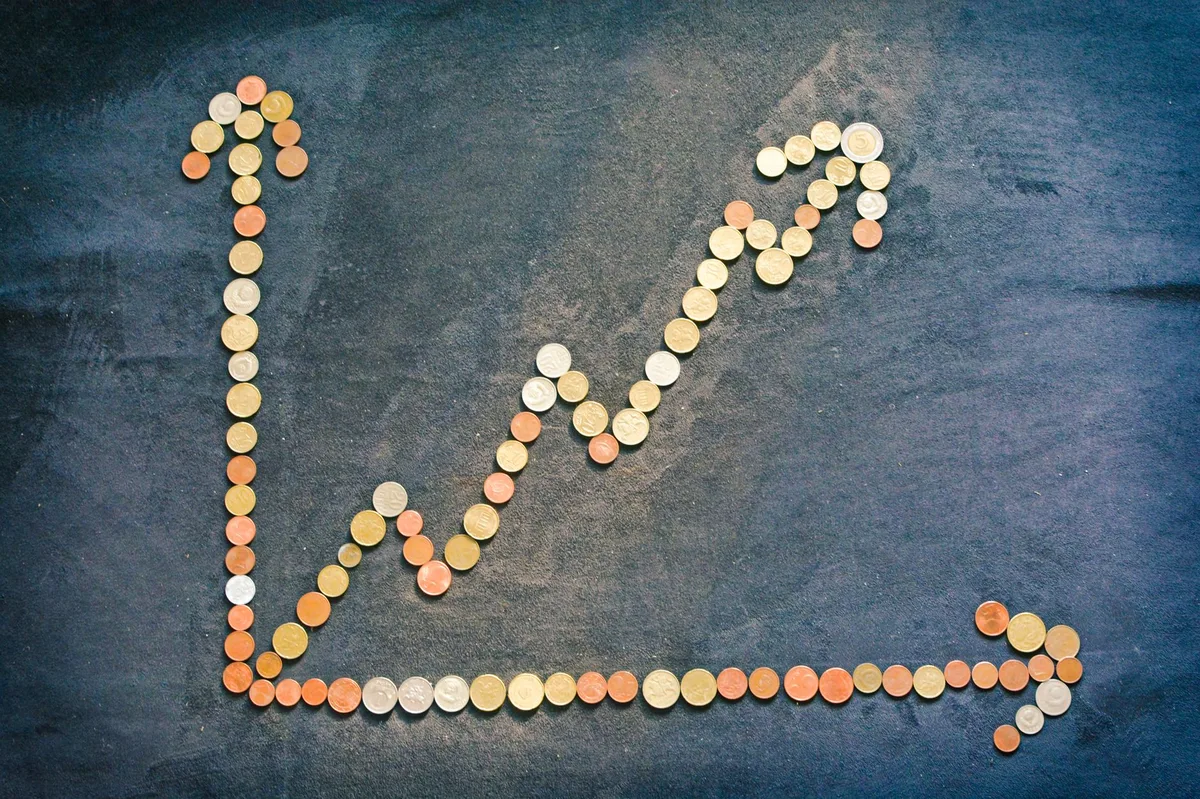
Pexels - AlphaTradeZone · original
In this article
Key Takeaway
Canadian homeowners with variable-rate mortgages are experiencing a double financial squeeze: rising Bank of Canada policy rates drive their monthly mortgage payments higher, while declining home values reduce equity and limit refinancing options. This combination creates payment stress, reduces borrowing capacity, and in some cases traps homeowners in higher-rate mortgages they cannot easily escape. Understanding the mechanics of this squeeze and the available strategies is essential for navigating the current rate environment.
What Is the Variable-Rate Mortgage Squeeze?
The variable-rate mortgage squeeze occurs when homeowners holding variable-rate mortgages face simultaneous pressure from two directions. First, the Bank of Canada raises its policy interest rate to control inflation, causing variable mortgage rates (which track the prime rate) to increase. Second, home prices decline in response to higher borrowing costs and reduced buyer demand, eroding homeowners’ equity. This dual pressure creates a financial bind: monthly payments rise while the asset securing the loan loses value.
In Canada, a variable-rate mortgage has an interest rate that fluctuates with the lender’s prime rate, which moves in step with the Bank of Canada’s policy rate. When the central bank raises rates, prime rate increases typically follow within days, and variable-rate mortgage holders see their interest costs rise immediately. According to the Bank of Canada, the policy rate directly influences borrowing costs across the economy, and mortgage holders are among the first to feel the impact.
At the same time, higher interest rates reduce how much new buyers can borrow under the OSFI mortgage stress test, which requires qualification at a rate significantly above the contract rate. Fewer qualified buyers and higher carrying costs push home prices lower in many markets. For existing homeowners, this means the equity cushion that once protected them shrinks, and in extreme cases, some borrowers owe more than their home is worth.
Why the Squeeze Matters
The consequences of this squeeze extend beyond higher monthly payments. Homeowners who purchased near the market peak with minimal down payments may find themselves with little or no equity, making it difficult to refinance, switch lenders at renewal, or access home equity lines of credit. Without equity, options narrow: you cannot refinance your way out of a high-rate mortgage, and switching to a new lender at renewal often requires at least 20 per cent equity to avoid mortgage default insurance requirements.
For those on variable-rate mortgages with fixed payments (where the payment stays constant but more goes to interest when rates rise), the amortization can balloon. Some borrowers hit their trigger rate, the point at which the payment no longer covers the interest, causing the principal to grow rather than shrink. Others reach their trigger point, where the outstanding balance exceeds a contractual limit, forcing an immediate payment increase or lump-sum payment.
The Financial Consumer Agency of Canada emphasizes that mortgage holders should understand how rate changes affect their specific mortgage structure, since variable-rate products differ in how they respond to rate increases.
How the Squeeze Mechanism Works
The squeeze operates through several interconnected channels. When the Bank of Canada raises its policy rate, lenders increase their prime rate by the same amount, typically within 24 hours. A variable-rate mortgage priced at prime minus 0.50 per cent will see its rate jump immediately. On a CAD 500,000 mortgage, a one percentage point rate increase adds roughly CAD 250 to CAD 300 per month in payments, depending on the amortization and rate structure.
As foundational texts such as Principles of Finance explain, interest rate risk affects borrowers and lenders differently depending on whether rates are fixed or variable. Variable-rate borrowers accept rate risk in exchange for an initial rate discount, but when rates rise sharply and quickly, the cumulative payment increase can strain household budgets.
Simultaneously, higher rates reduce buyer purchasing power. The OSFI B-20 stress test requires mortgage applicants to qualify at the greater of their contract rate plus two percentage points or a minimum qualifying rate. As contract rates rise, the stress test rate climbs too, shrinking the maximum loan amount a buyer can secure. Lower loan limits translate to lower home prices, especially in markets where buyers were already stretched.
Falling home prices erode equity. A homeowner who bought a CAD 600,000 home with a five per cent down payment (CAD 30,000) and paid CMHC insurance now has minimal equity even before prices drop. A 10 per cent price decline wipes out that equity entirely, leaving the borrower with no cushion to refinance, no ability to switch lenders without requalifying under current stricter conditions, and limited options when the mortgage term ends.
Read also: Mortgage Outlook After Bank of Canada Rate Hold in Canada
Options for Homeowners Facing the Squeeze
Homeowners caught in this squeeze have several paths, each with trade-offs. One option is to lock in a fixed rate. Switching from variable to fixed stops further payment increases, though fixed rates reflect current market conditions and may still be higher than the original variable rate. The Canada Mortgage and Housing Corporation’s home buying resources recommend comparing the total cost over the remaining term, not just the rate itself.
Another option is to increase payment amounts voluntarily, if the mortgage allows prepayment privileges. Paying more when rates are high reduces the principal faster, shortening the amortization and reducing total interest paid. Most Canadian mortgages allow annual lump-sum prepayments of 10 to 20 per cent of the original principal without penalty.
For borrowers approaching renewal with little equity, starting renewal negotiations early, six to nine months before the term ends, can open more options. Lenders may offer competitive rates to retain existing clients even when switching is not feasible due to low equity. However, without the leverage to move to another lender, negotiating power is limited.
Refinancing to access equity, consolidate debt, or extend the amortization is not possible when home values have fallen below the loan balance. In such cases, the borrower must either wait for prices to recover or continue making higher payments until enough principal is paid down to restore equity.
Some homeowners consider selling, but this is only viable if the sale price covers the mortgage balance plus closing costs. In a declining market with low equity, selling may result in a shortfall, requiring the borrower to bring cash to close the transaction or negotiate a short sale with the lender.
Canadian Regulatory Context and Market Conditions
Canadian mortgage regulation shapes how the squeeze unfolds. Unlike the United States, where 30-year fixed-rate mortgages are common, Canadian mortgages typically have terms of one to five years, after which the borrower must renew or renegotiate. This means even those with fixed-rate mortgages will face higher rates at renewal if market conditions have changed. Variable-rate holders feel the impact immediately, but fixed-rate holders are not immune when their term expires.
The OSFI mortgage stress test, introduced to prevent over-borrowing, now acts as a barrier for those seeking to refinance or switch lenders. Borrowers who qualified under lower rates may not pass the stress test at current rates, even if they have been making payments successfully. This locks some homeowners into their existing lender and reduces competition at renewal.
Provincial differences also matter. Land transfer tax, prepayment penalty structures, and available mortgage products vary by province. British Columbia and Ontario, for example, have higher land transfer taxes, making the cost of selling and moving more expensive in a declining market.
Conclusion
The variable-rate mortgage squeeze in Canada results from the interaction of rising Bank of Canada policy rates and falling home prices, creating payment pressure and reduced financial flexibility for homeowners. Those with variable-rate mortgages face immediate payment increases, while declining home values limit refinancing and switching options. Understanding the mechanics of this squeeze, the regulatory environment, and the available strategies allows homeowners to make informed decisions tailored to their circumstances.
This article provides general educational information only and is not personalized financial, lending, legal, or tax advice. Mortgage products, interest rates, and eligibility requirements vary by lender, province, and individual circumstances. Rates as of October 2026 change frequently. For advice specific to your situation, consult a licensed mortgage broker, the Financial Consumer Agency of Canada, or a qualified financial professional.
Sources
- Bank of Canada Key Interest Rate (accessed )
- Mortgages: Understanding Your Options (accessed )
- Home Buying Guide (accessed )
- Principles of Finance (accessed )
Related articles
Mortgage Outlook After Bank of Canada Rate Hold in Canada
What the Bank of Canada rate hold means for Canadian mortgage rates, renewals, and borrowing strategy in the months ahead.
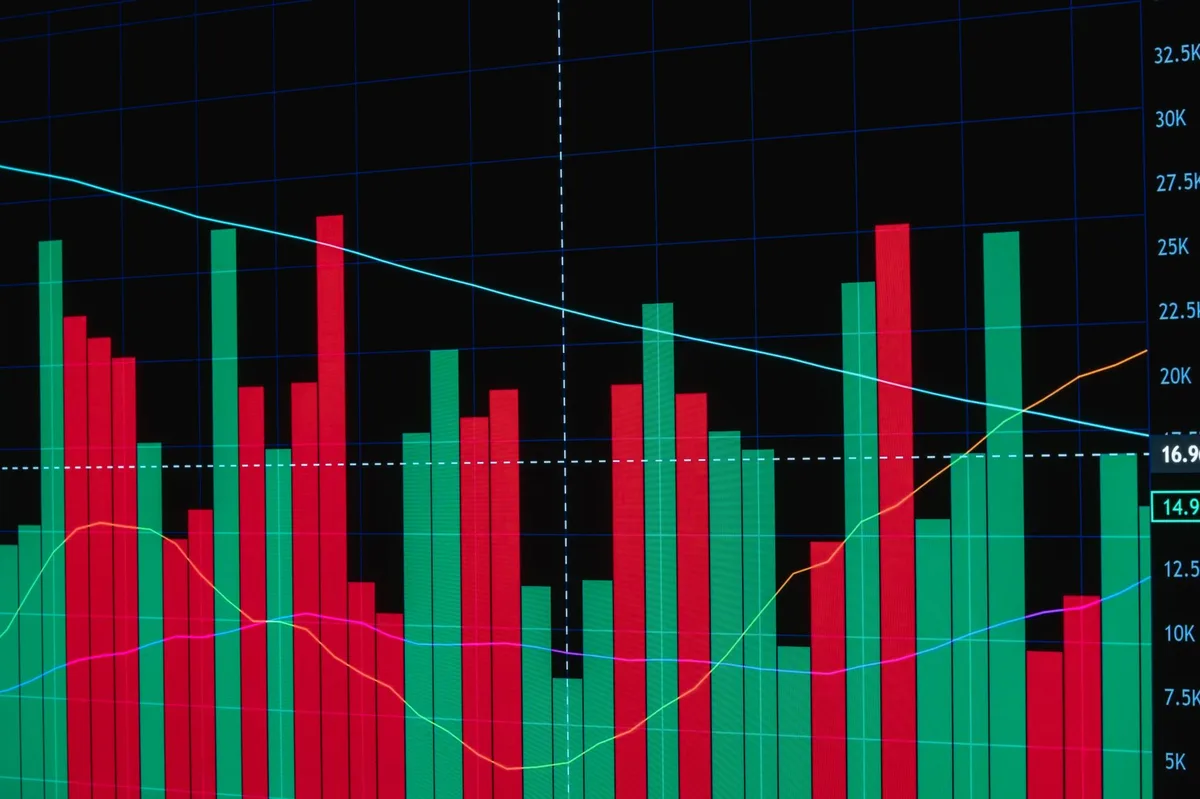
Understanding Bank of Canada Rate Holds and Your Mortgage in Canada
Learn how Bank of Canada rate holds affect fixed and variable mortgages, renewals, and new applications in the Canadian market.
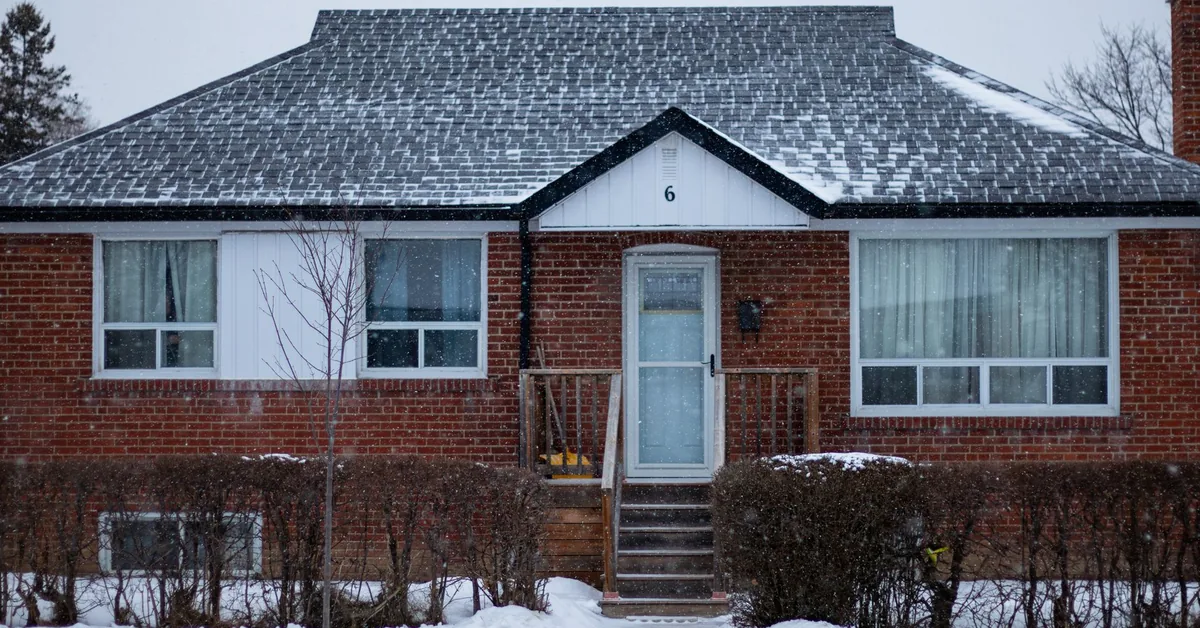
Bank of Canada June 2026 Rate Decision: Summer Outlook for Canadian Homeowners
Bank of Canada's June 2026 rate decision explained: what Canadian homeowners need to know about mortgage rates and renewal planning this summer.
