OSFI Drops Stress Test Requirement for Uninsured Mortgage Renewal Switches in Canada
OSFI has removed the stress test requirement for uninsured mortgage holders switching lenders at renewal, making it easier for Canadian homeowners to shop for better rates.

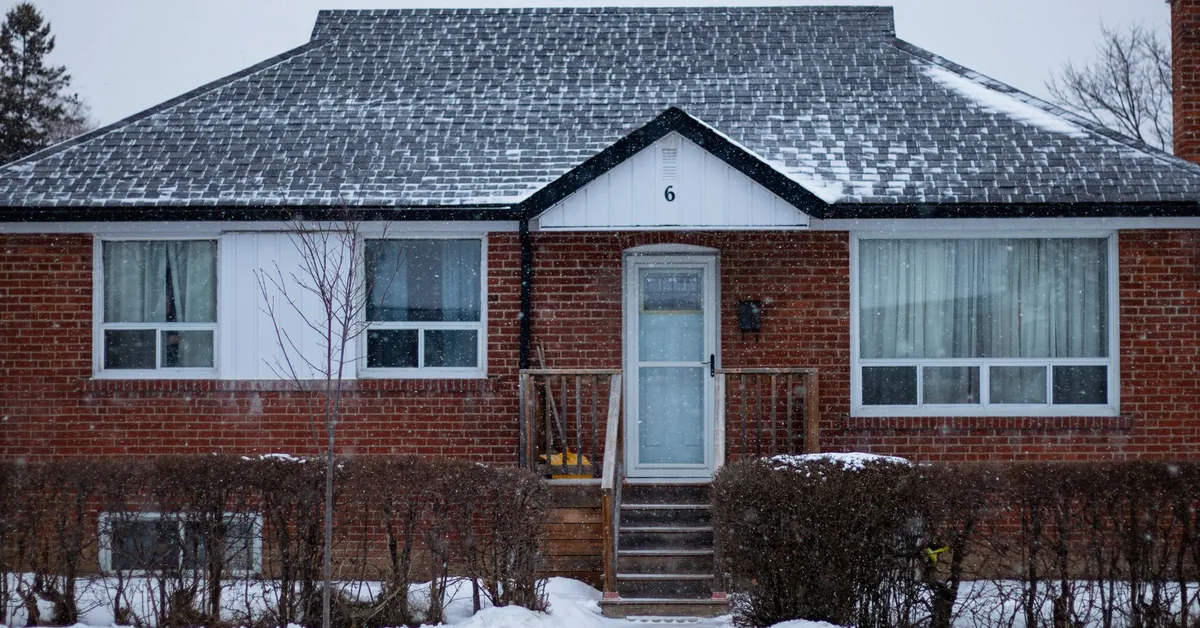
Pexels - RDNE Stock project · original
In this article
The Office of the Superintendent of Financial Institutions (OSFI) has eliminated the mortgage stress test requirement for Canadian homeowners with uninsured mortgages who want to switch lenders at renewal. This change makes it significantly easier for homeowners to shop around for better rates when their mortgage term ends, potentially saving thousands of dollars over the life of their mortgage without having to re-qualify under the stress test that previously applied.
What Changed
Previously, any homeowner with an uninsured mortgage (a mortgage with a down payment of 20 per cent or more) who wanted to switch to a new lender at renewal had to pass the OSFI mortgage stress test. This stress test required borrowers to qualify at either the contract rate plus 2 percentage points or 5.25 per cent, whichever was higher.
According to OSFI’s updated B-20 guideline, homeowners renewing an uninsured mortgage can now switch lenders without re-qualifying under the stress test, provided they are not increasing their principal balance beyond what is needed to cover standard administrative costs (OSFI, 2026). The new lender still verifies your identity, confirms you are current on payments, and validates property value, but the stress test qualification no longer applies.
Who This Affects
This change applies specifically to homeowners with uninsured mortgages, typically those who put down 20 per cent or more when they originally purchased. If your mortgage term is ending and you want to explore rates from lenders other than your current one, you can now do so without having to prove you could afford payments at a rate roughly 2 percentage points higher than what you will actually pay.
Insured mortgages (those with CMHC mortgage default insurance because the down payment was less than 20 per cent) were already exempt from the stress test when switching at renewal, so this update brings uninsured renewals in line with that treatment.
Why OSFI Made This Change
The stress test was originally designed to ensure borrowers could handle rising interest rates when taking on new debt. However, at renewal, the homeowner is not taking on additional debt or increasing financial risk beyond what they already carry. Requiring the stress test for a simple lender switch created a barrier that trapped some homeowners with their existing lender, even when better rates were available elsewhere.
As foundational lending principles outlined in Principles of Finance explain, regulatory frameworks should balance risk management with market efficiency. By removing this barrier, OSFI acknowledged that the stress test serves its purpose at origination but penalizes existing borrowers seeking competitive rates at renewal.
Read also: OSFI’s Stress Test Change for Uninsured Mortgage Switches in Canada
What This Means for Your Renewal
If your mortgage term is ending in the coming months, you now have more leverage when negotiating. Instead of being limited to your current lender’s offered renewal rate, you can obtain competing quotes from other lenders and use them to negotiate, or switch outright if another lender offers better terms.
This is particularly valuable in the current environment where many Canadian homeowners face renewals at significantly higher rates than their expiring terms. The Financial Consumer Agency of Canada recommends starting the renewal process at least 120 days before your term ends to maximize your options (FCAC, 2026).
Keep in mind that switching lenders still involves some administrative work and potential costs such as discharge fees from your current lender, which typically range from 250 to 400 Canadian dollars, and legal or appraisal fees at the new lender, though many lenders cover these costs to earn your business.
Key Considerations
While the stress test is gone for straight renewals, it still applies if you want to refinance to access equity, increase your mortgage balance beyond administrative costs, or extend your amortization period. These scenarios involve taking on additional debt and still require full qualification under current OSFI rules.
Your credit history, employment status, and property value remain relevant factors. Lenders will verify that you are in good standing, that your property value supports the mortgage amount, and that you have maintained consistent income, but the stress test calculation itself no longer blocks a switch.
Mortgage terms, rates, and qualification requirements vary by lender and province. This policy change is current as of October 2026, but homeowners should confirm the latest requirements with a licensed mortgage broker or their financial institution before making renewal decisions. The information provided here is general educational information only, not personalized financial or lending advice, and not an offer or commitment to lend. Always consult with a licensed mortgage professional for your specific situation.
Sources
- Residential Mortgage Underwriting Practices and Procedures (accessed )
- Mortgages - Financial Consumer Agency of Canada (accessed )
- CMHC Mortgage Information (accessed )
- Principles of Finance (accessed )
Related articles

OSFI's Stress Test Change for Uninsured Mortgage Switches in Canada
OSFI changed Canada's stress test rules for some uninsured mortgage switches. Learn who qualifies and what still applies.
OSFI Stress Test Update in Canada: What Uninsured Renewal Switches Mean
OSFI's stress test update in Canada lets some uninsured borrowers switch lenders at renewal without requalifying under B-20.

BMO Brings Back the OSFI Stress Test for Uninsured Mortgage Switches in Canada
BMO now applies the OSFI stress test to uninsured mortgage switches in Canada, ending an industry exemption and tightening qualification for borrowers.
