Down-Valuation on Survey in the UK: What Happens to Your Offer and Deposit
A down-valuation can upend your purchase. Learn what happens when the lender's valuation falls short of your offer and how to protect your deposit.
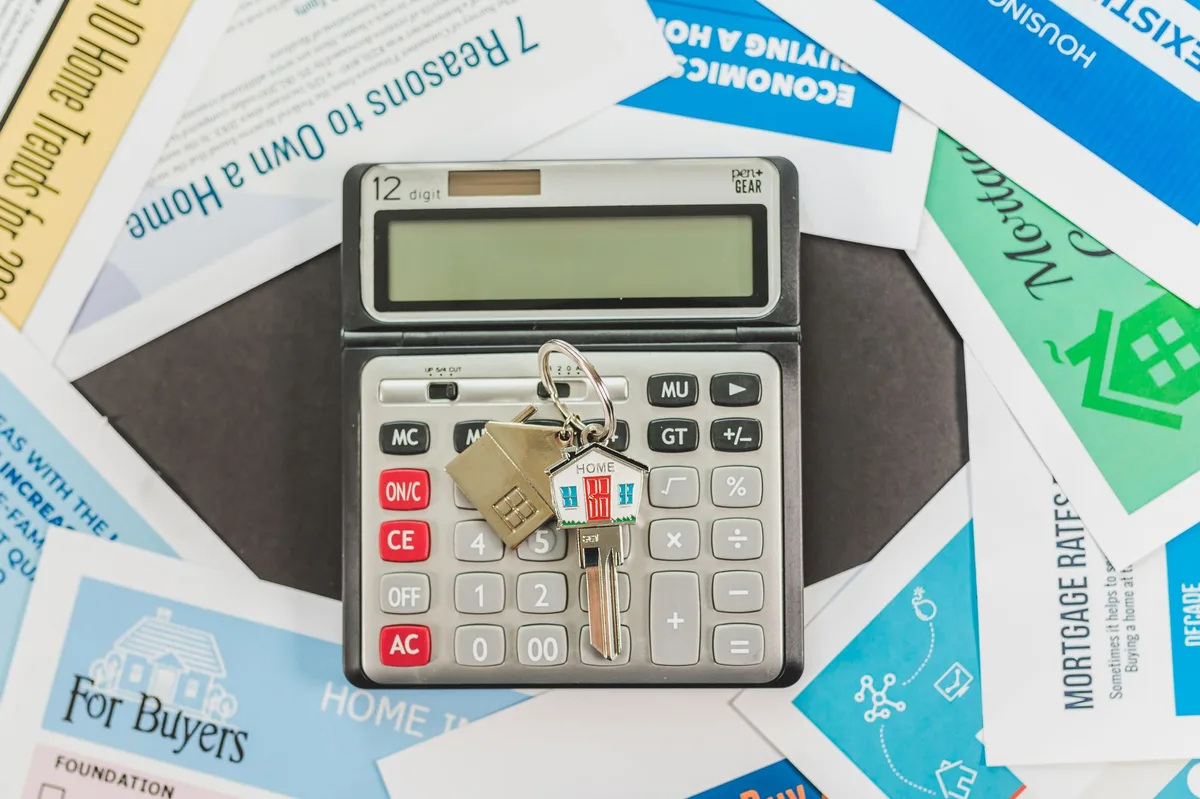
Pexels - RDNE Stock project · original
In this article
Key Takeaway
A down-valuation occurs when your mortgage lender’s surveyor values the property below your agreed offer price. This creates a deposit shortfall: the lender will only lend against the lower valuation, so you must either find extra cash to cover the gap, renegotiate the purchase price downward with the seller, or walk away. Your original deposit is unaffected, but the total cash you need at completion increases if you cannot reduce the price.
Introduction
You have had your offer accepted, instructed a solicitor, and applied for your mortgage. Then the lender’s valuation report arrives and the property is worth less than you agreed to pay. A down-valuation disrupts your purchase and forces difficult decisions about money, negotiation, and whether to proceed. Understanding what happens to your offer, your deposit, and your mortgage when the survey comes in low helps you respond quickly and protect your interests.
1. What a Down-Valuation Is
A down-valuation happens when the mortgage lender’s surveyor assesses the property at a lower figure than your agreed purchase price. Lenders commission a valuation (not a full structural survey) to confirm that the property provides adequate security for the loan. If the surveyor believes the market value is £220,000 but you offered £240,000, the lender treats the property as worth only £220,000 and calculates your loan-to-value (LTV) and maximum lending on that lower figure (RICS, 2026).
2. Why Down-Valuations Happen
Surveyors may value a property below the agreed price for several reasons: the local market has cooled since you made your offer, comparable sales in the area are lower, the property has defects or requires significant repairs that reduce its marketability, or the agreed price simply exceeded realistic market value. A hot bidding war or an inexperienced seller setting an optimistic asking price can lead to an offer that the lender’s surveyor will not support (MoneyHelper, 2026).
3. What Happens to Your Offer
Your offer to the seller remains legally binding until exchange of contracts (in England and Wales property transactions are not binding until that point). The down-valuation does not automatically cancel your offer, but it creates a financial obstacle: you cannot borrow as much as you expected. You must decide whether to proceed at the original price with a larger deposit, renegotiate the price downward to match the valuation, or withdraw from the purchase.
4. What Happens to Your Deposit
Your original deposit percentage (for example, 10 per cent) stays the same, but the down-valuation changes the arithmetic. If you planned to put down £24,000 (10 per cent of a £240,000 purchase) with a 90 per cent LTV mortgage, and the lender values the property at £220,000, the lender will offer only 90 per cent of £220,000, which is £198,000. To complete the £240,000 purchase, you now need £42,000 in cash: your original £24,000 deposit plus an extra £18,000 to cover the shortfall. The deposit itself is not lost, but the cash required at completion increases substantially unless you renegotiate the price.
5. Your Immediate Options
When a down-valuation lands, you have four main options. First, pay the shortfall: find the extra cash to bridge the gap between the lender’s maximum loan and the agreed price. Second, renegotiate the purchase price downward, ideally to the valuation figure, so the lender’s mortgage covers the amount you need. Third, challenge the valuation by presenting evidence of comparable sales or commissioning a second valuation (some lenders allow this, though there is no guarantee they will accept the new figure). Fourth, walk away from the purchase if you cannot afford the shortfall and the seller will not reduce the price (Which?, 2026).
6. Renegotiating the Purchase Price
Most buyers open negotiations with the seller as soon as a down-valuation is confirmed. Present the lender’s valuation report to the seller and explain that proceeding at the original price requires you to find substantial extra cash that you do not have. Propose a revised offer that matches the valuation or splits the difference. Sellers often reduce the price rather than lose the sale and start again with a new buyer who will face the same valuation issue. Your leverage is stronger if the market is slow or the seller needs to complete quickly.
Read also: A Guide to Getting Your First Mortgage in the UK
7. Finding Extra Deposit Funds
If the seller will not budge and you are determined to proceed, you must raise the shortfall. Options include using savings you had set aside for other purposes, borrowing from family (a gifted deposit, documented with a letter for your solicitor), taking out a personal loan (though lenders may count this debt when assessing affordability), or selling assets. Be realistic about affordability: stretching to cover a down-valuation can leave you financially exposed if the property genuinely is overpriced or requires expensive repairs (Principles of Finance, 2022).
8. When to Walk Away
A down-valuation is often a warning that the property is overpriced, the market is weakening, or the property has issues that reduce its value. If the seller refuses to negotiate and you cannot comfortably afford the extra cash, walking away protects you from overpaying and future financial strain. You will lose money on survey fees, valuation fees, and possibly early solicitor costs, but these sunk costs are smaller than the risk of buying an overvalued property that you struggle to afford or cannot sell later without a loss.
9. Preventing Down-Valuations
You cannot eliminate the risk of a down-valuation, but you can reduce it. Research comparable sales in the area before making your offer (using Rightmove sold prices, Land Registry data, or a local estate agent’s advice). Avoid offering significantly above the asking price in a bidding war without evidence that the market supports the higher figure. Instruct a full building survey (not just the lender’s valuation) before exchange, so you know about defects that might drag the valuation down. Choose a lender known for realistic valuations rather than the absolute cheapest rate, and be prepared to negotiate or walk away if the numbers do not work.
Conclusion
A down-valuation disrupts your purchase and forces you to find extra cash, renegotiate with the seller, or abandon the transaction. Your deposit is not lost, but the total funds required at completion increase unless you reduce the agreed price to match the lender’s valuation. Act quickly: present the valuation report to the seller, negotiate a reduced price, and decide whether you can afford the shortfall if the seller refuses. A down-valuation is often a signal that the property is overpriced, so walking away may be the right financial decision. Confirm current affordability limits and lending criteria with an FCA-authorised mortgage adviser before making your choice.
Your home may be repossessed if you do not keep up repayments on your mortgage.
Disclaimer: This article provides general educational information about down-valuations and property purchases in the UK. It is not regulated mortgage advice, and it is not personalised financial, lending, or legal advice. Refisage is not authorised by the Financial Conduct Authority (FCA). Property values, mortgage products, eligibility criteria, and lending limits vary by lender, location, and your personal circumstances. Speak to an FCA-authorised mortgage adviser and consult a qualified solicitor before making decisions about a property purchase or mortgage application.
Sources
- Buying a Home (accessed )
- RICS Home Surveys (accessed )
- Mortgages and Property (accessed )
- Principles of Finance (accessed )
Related articles
New-Build Mortgages in the UK: Valuation Gaps and Premium Costs
New-build mortgages in the UK: understand valuation gaps, the new-build premium, and how to protect your deposit when the survey falls short of the price.

A Guide to Getting Your First Mortgage in the UK
Learn how first-time buyer mortgages work in the UK. Understand deposits, LTV, interest rates, and the key steps to buying your first home.

What Mortgage Interest Rates Are Available for First-Time Buyers in the UK
First-time buyer mortgage rates in the UK range from fixed to tracker deals. Rates depend on deposit, LTV, and credit. Compare options before applying.
