New-Build Mortgages in the UK: Valuation Gaps and Premium Costs
New-build properties in the UK often carry a premium over resale homes, and when the surveyor's valuation falls short of the purchase price, buyers face a deposit shortfall that can derail their mortgage.
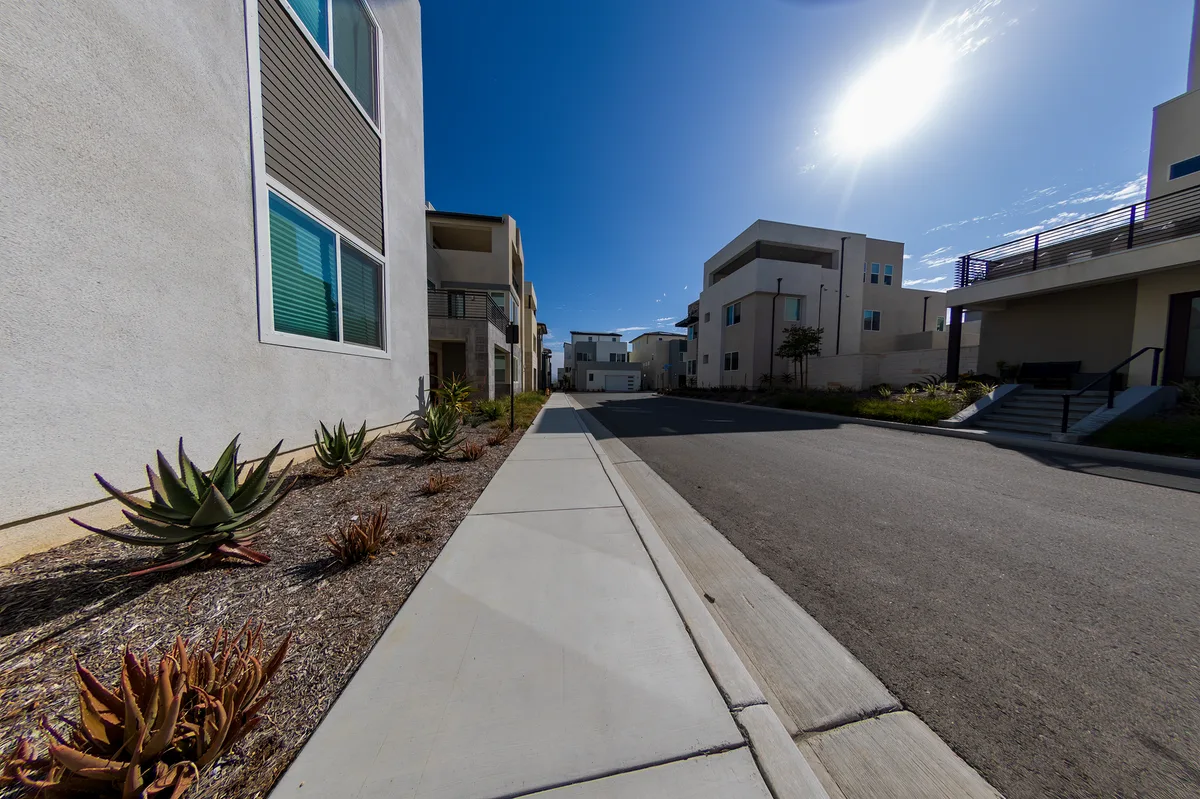
Pexels - David Brown · original
In this article
Key Takeaway
New-build properties in the UK typically cost 10 to 20 per cent more than comparable resale homes, a markup known as the new-build premium. When the lender’s surveyor values the property below the agreed purchase price (a valuation gap), your loan-to-value (LTV) ratio jumps, you may lose access to lower-rate mortgage deals, and you will need to find extra cash to cover the shortfall or the sale may collapse. Protecting yourself means commissioning an independent survey early, negotiating price reductions if the valuation comes in low, and keeping a cash buffer beyond your planned deposit.
What Is a New-Build Mortgage?
A new-build mortgage works like any other purchase mortgage, but the property is a newly constructed home bought directly from a developer rather than a previous owner. Lenders treat new-builds with extra caution: many require a full building survey or HomeBuyer Report rather than a basic valuation, and some limit the loan-to-value they will offer on new construction (MoneyHelper, 2026).
The Valuation Gap Problem
Developers price new-builds to include profit, marketing costs, incentives (such as part-exchange or flooring upgrades), and the premium buyers pay for a pristine, unoccupied home. When the lender’s surveyor values the property, they assess the bricks-and-mortar worth, not the developer’s asking price. If the valuation comes in £15,000 below a £250,000 purchase price, the lender calculates your loan-to-value against the lower figure. A 10 per cent deposit on £250,000 is £25,000, leaving a £225,000 mortgage at 90 per cent LTV against the purchase price. Against a £235,000 valuation, that same £225,000 loan jumps to 95.7 per cent LTV, pushing you into a higher-rate bracket or outside the lender’s criteria entirely. You must either find the extra £15,000 in cash, renegotiate the price, or walk away (Which?, 2026).
Valuation gaps are common on new-builds because the market for brand-new homes is thinner than the resale market, leaving surveyors with fewer direct comparables. As covered in Principles of Finance, loan-to-value ratios are a core risk control for mortgage lenders: the lower the LTV, the smaller the lender’s exposure if property values fall.
The New-Build Premium
New-builds command a premium for several reasons: contemporary energy-efficiency standards (lower running costs), NHBC or similar structural warranties (peace of mind), modern layouts, and the absence of a chain (faster completion). Developers also bundle incentives into the headline price. The premium is real, but it narrows over time. Once the estate is complete and the first owners sell, those homes compete with the wider resale market, and the premium erodes. First-time buyers are the most exposed: many stretch to the top of their affordability to secure a new home, leaving no buffer when the valuation falls short (MoneySavingExpert, 2026).
How to Protect Yourself
-
Commission an independent survey before exchange. The lender’s valuation happens after you have paid your reservation deposit and solicitor’s fees; an early HomeBuyer Report or building survey gives you leverage to renegotiate or exit cleanly.
-
Negotiate the price if the valuation is low. Developers would rather drop £10,000 than lose a sale and re-market the property. Present the surveyor’s report and ask for a reduction to match the valuation.
Read also: Down-Valuation on Survey in the UK: What Happens to Your Offer and Deposit
-
Budget for a larger deposit. Aim for 15 per cent of the purchase price rather than 10 per cent, so a modest valuation gap does not break your mortgage approval.
-
Compare lenders. Some specialist lenders are more relaxed about new-build valuations and may accept a higher LTV or rely on the developer’s selling price if the estate is nearly sold out.
-
Check the Help to Buy successor schemes (if eligible). Government equity-loan schemes on new-builds can reduce the mortgage you need, lowering your exposure to valuation gaps. Current schemes and eligibility vary by nation (England, Scotland, Wales, Northern Ireland); verify at gov.uk.
Next Steps
If you are buying a new-build, speak to an FCA-authorised mortgage adviser who specialises in new construction. They can recommend lenders comfortable with new-builds, arrange a survey early, and model the impact of a valuation shortfall on your affordability. Confirm current schemes and incentives with the developer in writing, and keep a cash reserve of at least 5 per cent of the purchase price to cover unexpected gaps or fees.
Your home may be repossessed if you do not keep up repayments on your mortgage. This article provides general educational information about UK mortgages, not regulated mortgage advice or personalised financial or legal advice. Refisage is not authorised by the Financial Conduct Authority. Mortgage rates, product terms, deposit requirements, and eligibility criteria change frequently and vary by lender, product, and your personal circumstances. New-build pricing, incentives, and government schemes differ across England, Scotland, Wales, and Northern Ireland. Always verify current terms and consult an FCA-authorised mortgage adviser before making any property or mortgage decision.
Sources
- Buying a home (accessed )
- Mortgages and property (accessed )
- Principles of Finance (accessed )
- Mortgages (accessed )
Related articles

Down-Valuation on Survey in the UK: What Happens to Your Offer and Deposit
Down-valuation in the UK: what happens to your offer, deposit, and mortgage when the survey comes in low. Your options and how to respond.

A Guide to Getting Your First Mortgage in the UK
Learn how first-time buyer mortgages work in the UK. Understand deposits, LTV, interest rates, and the key steps to buying your first home.

What Mortgage Interest Rates Are Available for First-Time Buyers in the UK
First-time buyer mortgage rates in the UK range from fixed to tracker deals. Rates depend on deposit, LTV, and credit. Compare options before applying.
