Self-Build Mortgages in the UK: How Staged Borrowing Works
Self-build mortgages release funds in stages as your project progresses. Compare arrears-stage versus advance-stage models and choose the right release schedule for your build.
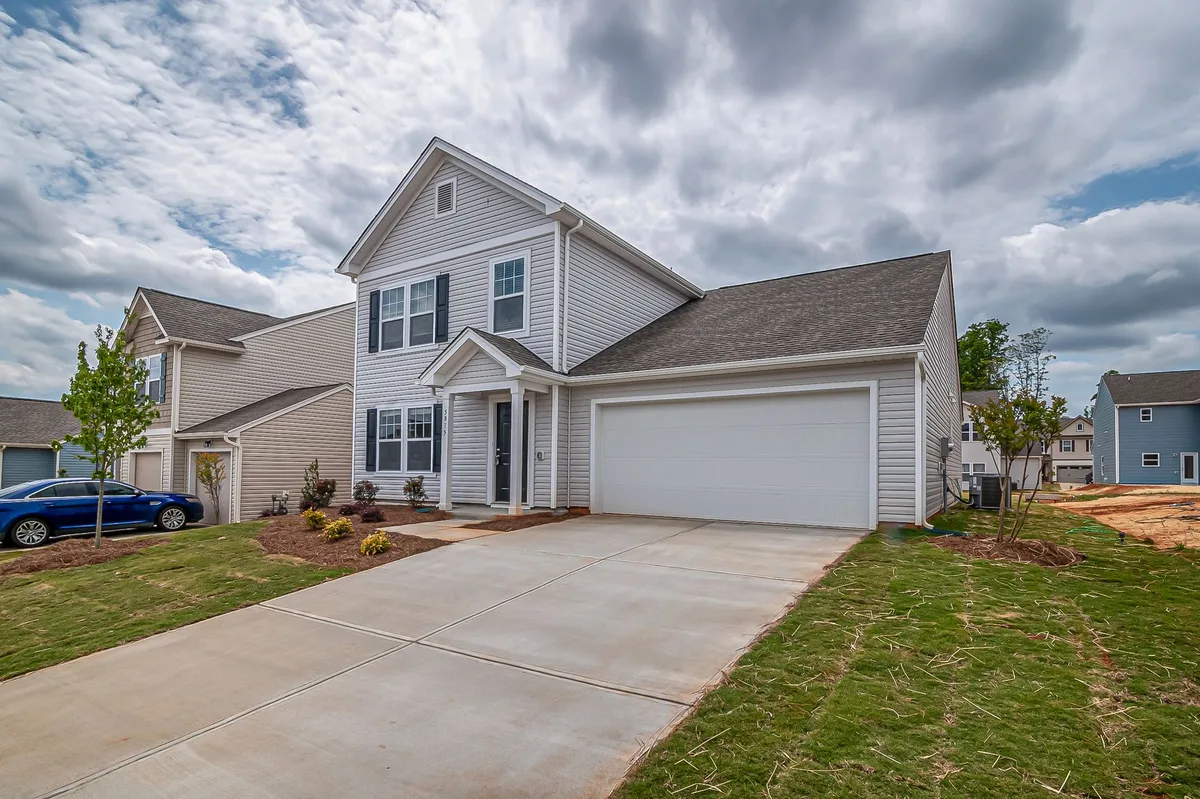
Pexels - Curtis Adams · original
In this article
Key Takeaway
Self-build mortgages release funds in stages as your project progresses, not as a single lump sum. Arrears-stage models pay after each phase is complete and inspected, protecting the lender but requiring you to finance work upfront. Advance-stage models release funds before each phase starts, easing cash flow but typically costing more in fees and interest. Your choice depends on your available capital, build timeline, and risk tolerance.
Introduction
When you build your own home in the UK, a standard mortgage will not work: lenders need security over a finished property, but you need money before the house exists. A self-build mortgage solves this by releasing the loan in stages tied to construction milestones, such as foundations, frame, weatherproof shell, and completion. The two main release models, arrears-stage and advance-stage, differ in timing and who carries the short-term funding risk.
Understanding how staged borrowing works helps you match the mortgage structure to your build project, your cash reserves, and your appetite for bridging the gaps between lender inspections and contractor invoices. As foundational texts such as The Construction of the Small House explain, phased construction requires careful coordination of materials, labour, and finance at each stage.
Comparison Summary
| Feature | Arrears-Stage | Advance-Stage |
|---|---|---|
| Release timing | After each stage is complete and inspected | Before each stage begins |
| Cash flow demand | High (you pay contractors, then claim) | Lower (funds available upfront) |
| Interest cost | Lower (you draw down later) | Higher (full loan drawn sooner) |
| Fees | Typically lower | Typically higher (valuation and admin per stage) |
| Lender risk | Lower (property exists before money released) | Higher (lender advances against work not yet done) |
| Best for | Borrowers with savings or a bridging facility | Borrowers with limited cash reserves |
| Typical stages | 4 to 6 (foundations, frame, weatherproof, first fix, second fix, completion) | 4 to 6 (same milestones) |
How Arrears-Stage Release Works
Arrears-stage (also called retrospective or in-arrears) mortgages pay out after the lender’s surveyor confirms each construction phase is complete. You pay the builder, the work is inspected, and then the lender releases that stage’s tranche. This protects the lender because they only advance money against value that already exists, and it often results in lower interest charges because you draw down the loan later in the build.
The trade-off is cash flow pressure. You must finance each stage yourself until the inspection passes and funds arrive, typically requiring a deposit of 25 per cent to 40 per cent of the total build cost or a separate bridging loan. Delays in inspection or approval can leave you waiting for funds while contractors expect payment. Arrears-stage mortgages suit borrowers with significant savings, access to short-term credit, or a sale proceeds from a previous property to bridge the gap.
How Advance-Stage Release Works
Advance-stage (also called stage-payment or in-advance) mortgages release funds at the start of each construction phase, before the work begins. The lender’s surveyor confirms the previous stage is complete, approves the next stage, and releases the money so you can pay contractors upfront. This eases cash flow and reduces the need for bridging finance, making it more accessible if your deposit is closer to the minimum (typically 25 per cent).
However, advance release costs more. The lender takes on greater risk by funding work not yet done, so fees, valuation charges, and interest rates are typically higher. You also draw down the full loan sooner, meaning interest accrues over a longer period. If the build stalls or a contractor disappears, the lender has advanced money against incomplete value, which they mitigate through stricter oversight and higher pricing. Advance-stage models work well for borrowers with limited reserves who need predictable access to funds and are willing to pay the premium for smoother cash flow.
Stage Milestones and Inspections
Both models divide the build into stages, commonly:
- Land purchase and foundations
- Frame and roof (weatherproof shell)
- First fix (wiring, plumbing, windows)
- Second fix (plastering, fittings, decoration)
- Completion and snagging
At each milestone, the lender’s surveyor inspects the work and values the property in its current state. Approval triggers the next release. The number of stages, the inspection schedule, and the release percentages vary by lender, so compare the detail in each product’s terms before committing.
Read also: Down-Valuation on Survey in the UK: What Happens to Your Offer and Deposit
Recommendations by Reader Profile
Limited cash reserves, need predictable funding: Choose an advance-stage model. You will pay more in fees and interest, but the upfront release avoids the need for bridging loans and keeps the build moving without cash flow gaps.
Large deposit or bridging facility in place: Choose an arrears-stage model. You can afford to pay contractors and wait for inspections, and the lower fees and later drawdown save money over the build period.
First-time self-builder, minimal construction experience: Consider advance-stage for the reassurance of regular lender oversight and the reduced pressure of fronting costs yourself. The extra cost buys peace of mind.
Experienced builder or project manager with tight cost control: Arrears-stage rewards your ability to manage cash flow and keep the project on schedule, minimising the premium you would pay for advance funding.
Tight budget, every percentage point matters: Model both options with your lender’s fee schedule and rates (as of August 2026; rates change frequently, verify current terms with an FCA-authorised lender or adviser before deciding). A lower rate on arrears-stage can offset the inconvenience if you have the capital.
According to MoneyHelper, self-build mortgages are specialist products, and eligibility, limits, and release schedules vary significantly by lender and your circumstances (MoneyHelper, 2026). Speak to an FCA-authorised mortgage adviser who specialises in self-build finance to compare the real cost of each model for your project.
Conclusion
Arrears-stage and advance-stage self-build mortgages solve the same problem in opposite ways. Arrears protects the lender and costs you less, but demands cash upfront. Advance eases your cash flow and spreads the lender’s risk forward, but you pay for that service through higher fees and interest. Your choice turns on how much capital you can deploy between inspections, how predictable your build timeline is, and whether you value lower cost or smoother access to funds. Model both against your reserves and your project plan, and confirm the numbers with an FCA-authorised adviser before you commit.
Your home may be repossessed if you do not keep up repayments on your mortgage.
Financial Disclaimer
This article provides general educational information about self-build mortgages and staged release models in the UK. It is not regulated mortgage advice and not personalised financial, lending, or legal advice. Refisage is not authorised by the Financial Conduct Authority (FCA). Self-build mortgage products, eligibility criteria, fees, interest rates, and release schedules vary by lender and your individual circumstances. Always speak to an FCA-authorised mortgage adviser before making any borrowing or construction finance decisions.
Sources
- Buying a home (accessed )
- Financial Conduct Authority (accessed )
- MoneySavingExpert Mortgages (accessed )
- The Construction of the Small House (accessed )
Related articles

Down-Valuation on Survey in the UK: What Happens to Your Offer and Deposit
Down-valuation in the UK: what happens to your offer, deposit, and mortgage when the survey comes in low. Your options and how to respond.

Leasehold Versus Freehold Mortgages in the UK: What Lenders Require
Compare lender requirements for leasehold vs freehold mortgages in the UK, including lease length rules, ground rent caps and valuation criteria.

What Mortgage Interest Rates Are Available for First-Time Buyers in the UK
First-time buyer mortgage rates in the UK range from fixed to tracker deals. Rates depend on deposit, LTV, and credit. Compare options before applying.
