RRSP Home Buyers Plan: Using Your RRSP for a Down Payment in Canada
The Home Buyers Plan lets first-time Canadian home buyers withdraw up to $60,000 from their RRSP tax-free to use toward a down payment, with 15 years to repay.

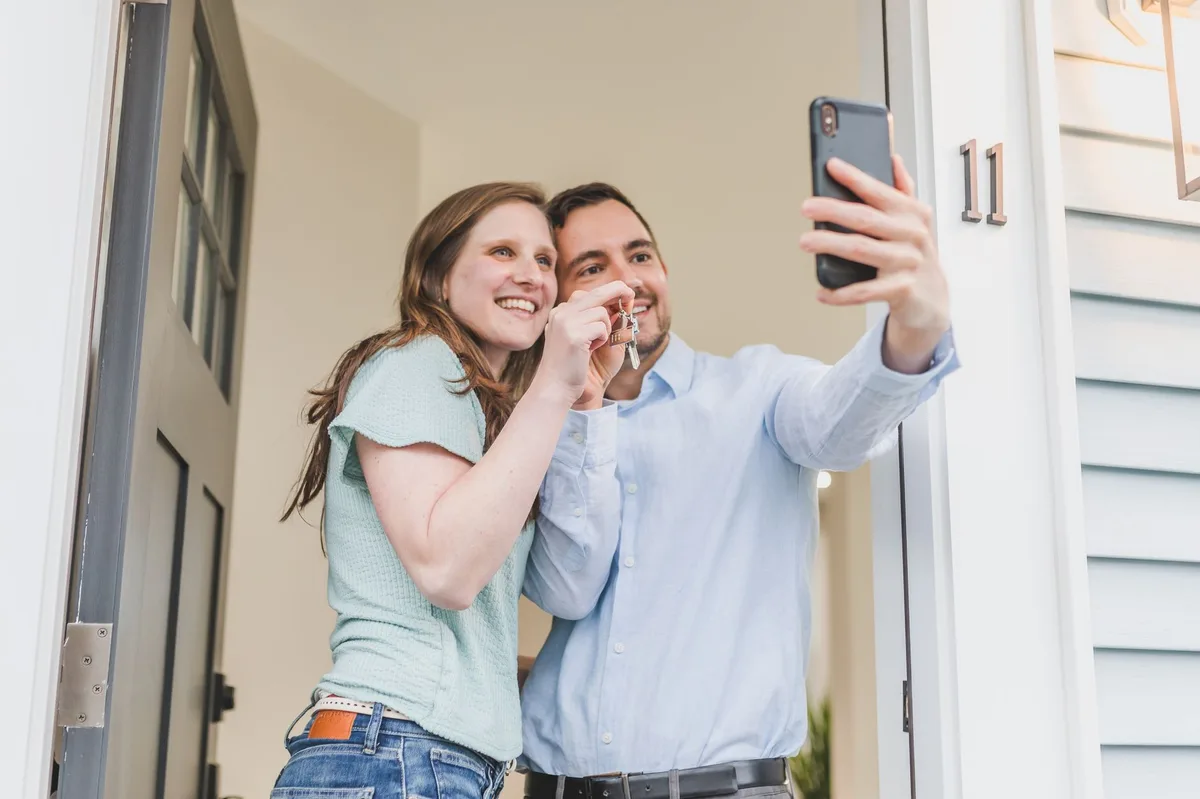
Pixabay · original
In this article
Key Takeaway
The Home Buyers Plan (HBP) allows eligible first-time home buyers in Canada to withdraw up to $60,000 from their Registered Retirement Savings Plan (RRSP) tax-free to use toward a down payment or closing costs. You have 15 years to repay the amount back into your RRSP, starting the second year after withdrawal. If you are buying with a spouse or partner who also qualifies, you can each withdraw $60,000, for a combined $120,000 toward your purchase.
What the Home Buyers Plan Is
The HBP is a federal program administered by the Canada Revenue Agency that lets you borrow from your own retirement savings to buy or build a qualifying home. According to the Canada Revenue Agency, the withdrawal is not treated as taxable income in the year you take it out, as long as you meet the eligibility requirements and repay the funds within the 15-year timeline (CRA, 2026).
The maximum you can withdraw is $60,000 per person (as of 2026). The funds must have been in your RRSP for at least 90 days before withdrawal to qualify. You can make multiple withdrawals within the same calendar year, as long as the total does not exceed the $60,000 limit.
The Financial Consumer Agency of Canada notes that the HBP can be especially valuable for first-time buyers who have been contributing to an RRSP but do not yet have a large cash reserve for a down payment (FCAC, 2026). As covered in foundational finance texts such as Principles of Finance, strategic use of tax-advantaged accounts can significantly improve liquidity for major life purchases while preserving long-term savings discipline.
Eligibility Requirements
To use the HBP, you must be considered a first-time home buyer under CRA rules. This means you (and your spouse or common-law partner, if you have one) cannot have owned a home that you lived in during the four-year period beginning January 1 of the fourth year before the withdrawal and ending 31 days before the withdrawal. If you previously owned a home but sold it more than four years before your HBP withdrawal, you may still qualify.
You must have a written agreement to buy or build a qualifying home, and you must intend to occupy that home as your principal residence within one year of buying or building it. The home must be located in Canada.
If you or your spouse or partner have an existing HBP balance that has not been fully repaid, you are not eligible to participate in the program again until that balance is paid off.
Repayment and What Happens If You Miss It
Repayment begins the second year after the year you made the withdrawal. You have 15 years to repay the full amount. Each year, you must repay at least 1/15 of the total amount you withdrew, though you can repay more at any time. You make repayment by contributing to any of your RRSPs and designating the contribution as an HBP repayment on your tax return (Schedule 7).
If you do not repay the minimum amount in a given year, the CRA adds the shortfall to your taxable income for that year. This means you lose both the repayment room and the RRSP contribution room, and you pay income tax on the amount.
Read also: RRSP Home Buyers Plan in Canada: Calculate Your Withdrawal and Repayment Schedule
Missing repayments does not carry a direct penalty beyond taxation of the shortfall, but it erodes the tax benefit of the original withdrawal and reduces your retirement savings.
Strategic Considerations
The HBP works best when you have been contributing to an RRSP regularly and have accumulated a meaningful balance. If you contribute to your RRSP just before using the HBP, remember the 90-day rule: the funds must sit in the account for at least three months before you can withdraw them under the program.
If you are buying jointly with a partner, both of you can use the HBP if you each qualify, effectively doubling the available funds to $120,000. This can bring you closer to the 20 per cent down payment threshold and help you avoid CMHC mortgage default insurance premiums, which apply when your down payment is less than 20 per cent.
Keep in mind that withdrawing from your RRSP means those funds are no longer earning compounding investment returns for your retirement. The Canada Mortgage and Housing Corporation advises weighing the benefit of accessing the funds now against the long-term cost to your retirement nest egg (CMHC, 2026).
Next Step
If you are planning to use the HBP, confirm your eligibility with the CRA and ensure your RRSP contributions have been in the account for at least 90 days. Speak with a licensed mortgage broker or financial advisor to understand how the HBP fits into your overall down payment strategy, mortgage qualification under the OSFI stress test, and long-term financial plan.
Financial Disclaimer: This article provides general educational information about the RRSP Home Buyers Plan and is not personalized financial, tax, legal, or investment advice, and not an offer or commitment to lend. Eligibility, limits, repayment obligations, and tax treatment vary by your personal circumstances and may change. Mortgage rules, the OSFI mortgage stress test, and available programs differ by province, territory, and lender. Always confirm current HBP limits, repayment schedules, and tax implications with the Canada Revenue Agency and consult a licensed financial advisor or tax professional for your specific situation before making withdrawal or repayment decisions.
Sources
- What is the Home Buyers' Plan (accessed )
- Mortgages: Understanding Your Options (accessed )
- Home Buying Guide for Consumers (accessed )
- Principles of Finance (accessed )
Related articles

First Home Savings Account and RRSP Home Buyers Plan in Canada: How to Use Both
The FHSA lets you save C$40,000 tax-free for a first home. You can use it alongside the RRSP Home Buyers Plan to maximize your down payment savings.

RRSP Home Buyers Plan in Canada: Calculate Your Withdrawal and Repayment Schedule
Calculate your RRSP Home Buyers Plan withdrawal and 15-year repayment schedule. Understand HBP rules, deadlines, and tax implications for Canadian first-time buyers.
Using the Home Buyers Plan Calculator in Canada: How Much You Can Withdraw and What You Owe Back
Calculate your Home Buyers Plan withdrawal limit and repayment schedule. Learn RRSP borrowing rules and avoid tax penalties in Canada.
