First Home Savings Account and RRSP Home Buyers Plan in Canada: How to Use Both
Learn how the FHSA and RRSP Home Buyers Plan work together to help first-time buyers save for a down payment in Canada.

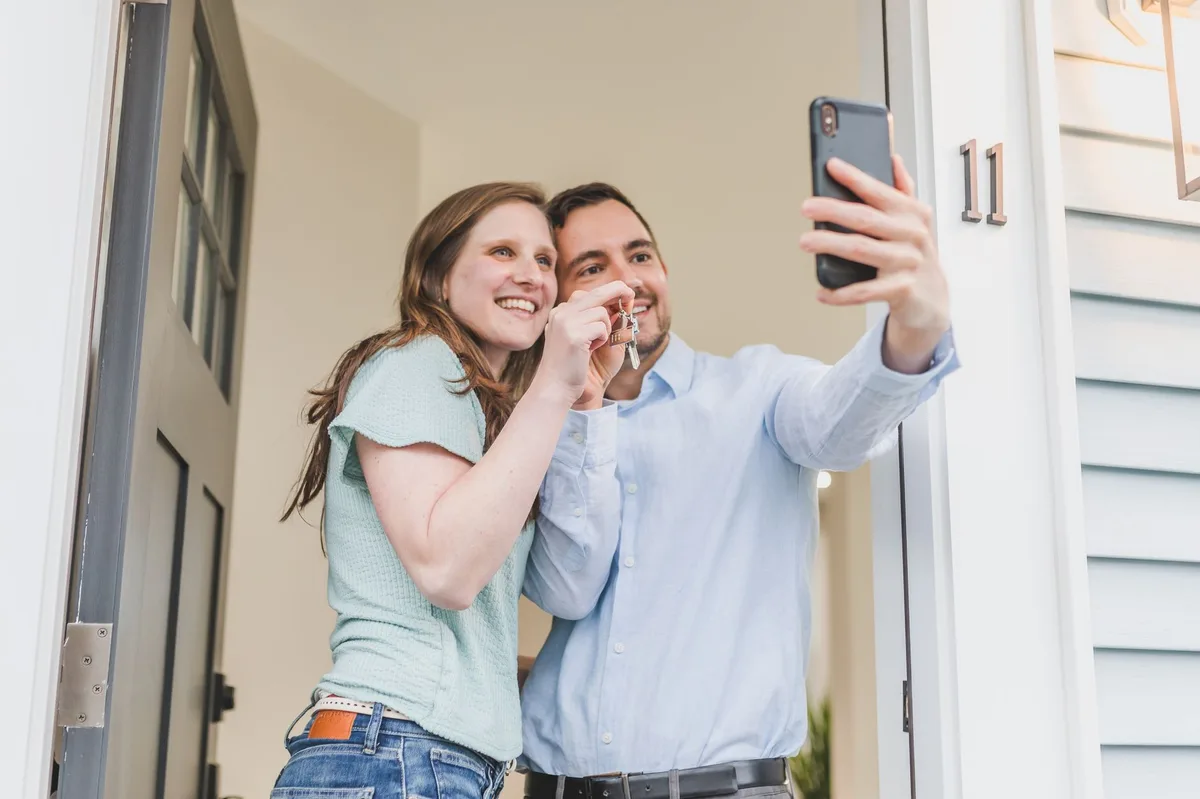
Pexels - Pavel Danilyuk · original
In this article
The First Home Savings Account (FHSA) and the RRSP Home Buyers’ Plan (HBP) are both federal programs that help first-time buyers save for a down payment, and you can use them together. The FHSA offers tax-deductible contributions and tax-free withdrawals (up to C$40,000 lifetime), while the HBP lets you withdraw up to C$60,000 from your RRSP interest-free, which you repay over 15 years. Combining both gives you access to up to C$100,000 in down payment funds with significant tax advantages.
What is the First Home Savings Account (FHSA)
The FHSA is a registered savings account introduced by the federal government in 2023 specifically for first-time home buyers. According to the Canada Revenue Agency, you can contribute up to C$8,000 per year, with a lifetime contribution limit of C$40,000 (CRA, 2026). Contributions are tax-deductible (like an RRSP), but when you withdraw the money to buy your first qualifying home, the withdrawal is tax-free (like a TFSA). Investment income earned inside the account also grows tax-free.
You must be a Canadian resident, at least 18 years old, and a first-time home buyer (you cannot have owned a home in which you lived in the current calendar year or the previous four years). The account remains open for up to 15 years, or until the end of the year you turn 71, whichever comes first. If you do not use the funds to buy a home, you can transfer the balance to your RRSP or RRIF, or withdraw it as taxable income.
What is the RRSP Home Buyers’ Plan (HBP)
The Home Buyers’ Plan allows you to withdraw up to C$60,000 from your RRSP to buy or build a qualifying home without paying tax on the withdrawal, provided you repay the amount over 15 years (CRA, 2026). If you have a spouse or common-law partner who is also a first-time buyer, they can withdraw another C$60,000 from their RRSP, giving a couple access to C$120,000 combined.
The funds you contribute to your RRSP must stay in the account for at least 90 days before you can withdraw them under the HBP. Repayment begins the second year after the year of withdrawal, at a minimum of 1/15 of the total each year. Any amount you do not repay on schedule is added to your taxable income for that year.
Using the FHSA and RRSP HBP Together
You can use both programs at the same time to maximize your down payment savings. For example, you could save C$40,000 in an FHSA and withdraw C$60,000 from your RRSP under the HBP, giving you C$100,000 in down payment funds. The FHSA withdrawal is permanent and tax-free (you do not repay it), while the HBP withdrawal must be repaid to your RRSP over 15 years to avoid tax consequences.
Read also: RRSP Home Buyers Plan: Using Your RRSP for a Down Payment in Canada
This combination works well if you have already been contributing to an RRSP for retirement and want to preserve those savings long-term by repaying the HBP amount, while also taking advantage of the FHSA’s non-repayable structure. As noted by the Financial Consumer Agency of Canada, a larger down payment reduces your loan-to-value ratio, may help you avoid CMHC mortgage default insurance (required when your down payment is below 20 per cent), and can lower your mortgage payments (FCAC, 2026).
Next Steps
If you are planning to buy your first home within the next few years, open an FHSA as soon as possible to start accumulating contribution room and investment growth. If you already have RRSP savings, confirm with the CRA that you meet the HBP eligibility requirements. Speak with a financial advisor or licensed mortgage broker to determine how much you need for a down payment based on your target home price and whether combining both programs makes sense for your timeline and tax situation.
Financial Disclaimer: This article provides general educational information only and is not personalized financial, tax, or legal advice. The FHSA and RRSP Home Buyers’ Plan have specific eligibility requirements, contribution limits, and repayment rules that may change. Your personal tax situation, down payment needs, and mortgage eligibility depend on your income, credit, and the province or territory where you are purchasing. Consult a licensed financial advisor, tax professional, or mortgage broker for advice tailored to your circumstances before making any decisions.
Sources
- First Home Savings Account (accessed )
- What is the Home Buyers' Plan (accessed )
- Mortgages (accessed )
Related articles

RRSP Home Buyers Plan: Using Your RRSP for a Down Payment in Canada
Learn how the RRSP Home Buyers Plan lets first-time Canadian buyers withdraw up to $60,000 tax-free for a down payment, with 15 years to repay.

RRSP Home Buyers Plan in Canada: Calculate Your Withdrawal and Repayment Schedule
Calculate your RRSP Home Buyers Plan withdrawal and 15-year repayment schedule. Understand HBP rules, deadlines, and tax implications for Canadian first-time buyers.
Using the Home Buyers Plan Calculator in Canada: How Much You Can Withdraw and What You Owe Back
Calculate your Home Buyers Plan withdrawal limit and repayment schedule. Learn RRSP borrowing rules and avoid tax penalties in Canada.
