How to Assume a Mortgage in Canada: Taking Over an Existing Rate
Learn how assumable mortgages work in Canada, the qualification process, and whether taking over an existing mortgage rate can save you money.

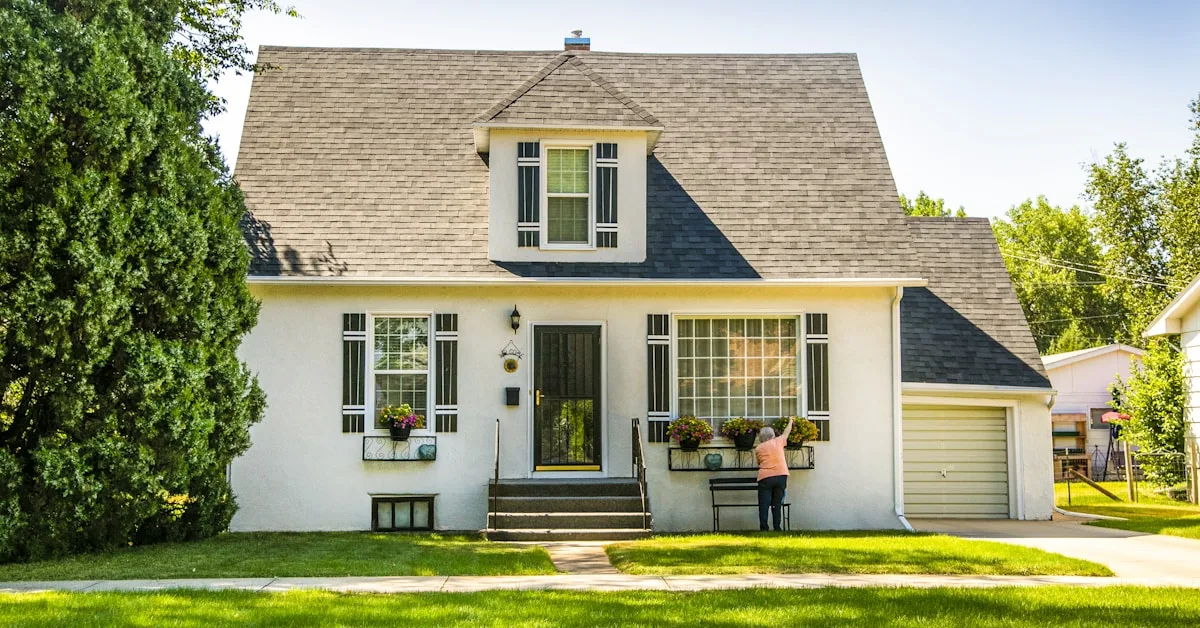
Pexels - RDNE Stock project · original
In this article
Key Takeaway
An assumable mortgage lets a home buyer take over the seller’s existing mortgage, including the current interest rate and remaining term. In Canada, most mortgages are not automatically assumable and require lender approval, credit qualification, and often an assumption fee. If the seller’s rate is lower than current market rates, assuming the mortgage can save you money, but you must qualify under the OSFI mortgage stress test and cover the difference between the sale price and the remaining mortgage balance.
What Is an Assumable Mortgage?
When you assume a mortgage, you take over the seller’s existing mortgage contract rather than arranging a new one. This means you inherit the seller’s interest rate, remaining term, and outstanding balance. The seller is released from the mortgage obligation once the lender approves the transfer.
According to the Financial Consumer Agency of Canada, mortgage assumption is one option buyers can explore when purchasing a home, though it is not available for all mortgage products (FCAC, 2024).
Assumability varies by lender and mortgage type. Some mortgages are fully assumable with lender approval, while others prohibit assumption entirely. The concept of transferring mortgage obligations is covered in foundational finance texts such as Principles of Finance, which explains how loan agreements can include transfer provisions.
What You Will Learn
In this guide, you will learn how assumable mortgages work in Canada, the qualification requirements you must meet, the step-by-step process for assuming a mortgage, and the advantages and disadvantages of taking over an existing mortgage rate.
1. How Assumable Mortgages Work in Canada
Unlike in some other countries where mortgage assumption is common, most Canadian mortgages require lender consent before they can be transferred to a new borrower. Even if a mortgage contract includes an assumption clause, the lender will assess the buyer’s creditworthiness and financial situation before approving the transfer.
Key Differences from New Mortgages
When you assume a mortgage, you are not starting fresh. The mortgage term (the period during which the current interest rate and conditions are locked in) continues on its existing schedule. If the seller had a five-year fixed-rate mortgage and three years remain, you take over those remaining three years at the same rate.
The amortization period (the total time to pay off the mortgage) also continues from where the seller left off. If the original amortization was 25 years and 10 years have passed, you inherit the remaining 15-year amortization.
Interest Rate Advantage
The primary appeal of an assumable mortgage is the potential to lock in a lower interest rate. If the seller secured a fixed rate of 3.5 per cent two years ago and current rates are 5.5 per cent, assuming the mortgage can result in significant interest savings over the remaining term.
However, mortgage rates as of August 2026 fluctuate frequently, so you must compare the assumable rate against current market rates to determine if assumption makes financial sense.
2. Steps to Assume a Mortgage in Canada
Step 1: Confirm Assumability
Before making an offer on a property, confirm with the seller whether their mortgage is assumable. Review the mortgage contract or ask the seller to contact their lender to verify the terms.
Step 2: Negotiate the Purchase Price and Assumption
If the mortgage is assumable, negotiate the home purchase price. You will need to pay the seller the difference between the sale price and the outstanding mortgage balance. For example, if the home sells for 500,000 dollars and the remaining mortgage is 350,000 dollars, you must provide 150,000 dollars (either as a down payment or from another mortgage source).
Step 3: Apply for Lender Approval
Submit a mortgage assumption application to the lender. You will undergo the same qualification process as a new mortgage applicant, including a review of your credit score, income, employment history, and debt-to-income ratio.
Under the OSFI mortgage stress test (B-20 guidelines), you must qualify at the higher of the mortgage contract rate plus 2 per cent or the Bank of Canada qualifying rate. This ensures you can afford payments even if rates rise.
Step 4: Pay the Assumption Fee and Legal Costs
Lenders typically charge an assumption fee, which can range from 500 dollars to 1,000 dollars or more, depending on the institution. You will also incur legal fees for transferring the title and processing the assumption.
Step 5: Close the Transaction
Once the lender approves the assumption, you close the home purchase. The mortgage is transferred into your name, and the seller is released from liability. You begin making mortgage payments according to the existing schedule.
3. Qualification Requirements
Assuming a mortgage is not automatic. The lender will assess your financial situation as rigorously as they would for a new mortgage. Key qualification criteria include:
- Credit score: Most lenders require a minimum credit score, often 650 or higher, though this varies by institution.
- Income verification: You must demonstrate stable income sufficient to cover the mortgage payment, property taxes, heating costs, and other debts.
- Stress test: You must pass the OSFI mortgage stress test, qualifying at a higher interest rate than the assumed rate.
- Down payment or equity: You must cover the difference between the purchase price and the outstanding mortgage balance. If this gap is large, you may need a second mortgage or a substantial cash down payment.
Read also: First-Time Home Buyer Guide to Getting a Mortgage in Canada
If the remaining mortgage balance is less than 80 per cent of the home’s purchase price, you may avoid CMHC mortgage default insurance. However, if your down payment (or the equity gap you are covering) is less than 20 per cent, insurance premiums may apply.
Common Mistakes to Avoid
Assuming without comparing rates: Just because a mortgage is assumable does not mean it is the best option. Always compare the assumable rate to current market rates and calculate total costs over the remaining term.
Ignoring prepayment restrictions: The assumed mortgage carries the same prepayment penalties and privileges as the original contract. If you plan to pay off the mortgage early or make lump-sum payments, review these terms carefully.
Overlooking the term timeline: If the assumed mortgage term expires in one year, you will face renewal soon. Factor in the possibility of higher rates at renewal when deciding whether to assume.
Neglecting legal and assumption fees: Assumption fees, legal costs, and potential appraisal charges add up. Include these in your budget when comparing assumption to a new mortgage.
Frequently Asked Questions
Are all mortgages in Canada assumable?
No. Most Canadian mortgages require lender consent for assumption, and some mortgages prohibit assumption entirely. Check the mortgage contract or ask the lender.
Can I assume a mortgage if I am a first-time home buyer?
Yes, as long as you meet the lender’s qualification criteria and pass the stress test. First-time buyers may also access the RRSP Home Buyers Plan to help cover the equity gap.
What happens if the lender denies my assumption application?
If the lender denies your application, you cannot assume the mortgage. You will need to arrange your own mortgage financing to purchase the home.
Is assuming a variable-rate mortgage a good idea?
It depends on the current rate and your risk tolerance. Variable rates fluctuate with the Bank of Canada policy rate, so you may face payment increases if rates rise. Compare the variable rate to fixed-rate options before deciding.
Conclusion
Assumable mortgages offer a potential path to lower interest costs in a rising-rate environment, but they require careful evaluation and lender approval. If the seller’s rate is significantly below current market rates, assumption can save you thousands of dollars over the remaining term. However, you must qualify financially, cover the equity gap, and account for assumption fees and legal costs.
Before proceeding, consult a licensed mortgage broker to compare assumption against new mortgage options for your specific situation. The Financial Consumer Agency of Canada and the Canada Mortgage and Housing Corporation provide additional educational resources to help you understand your mortgage choices.
Financial Disclaimer: This article provides general educational information only and is not personalized financial, lending, legal, or tax advice. It does not constitute an offer or commitment to lend. Mortgage products, rates, qualification requirements, and costs vary by lender, province, and your individual circumstances. Eligibility for mortgage assumption, stress test requirements, and prepayment terms differ depending on the lender and the specific mortgage contract. Rates and programs mentioned are current as of August 2026 and change frequently. Always verify current rates, terms, and eligibility with a licensed mortgage broker or your financial institution before making any decisions. For personalized advice, consult a licensed mortgage professional or qualified financial adviser.
Sources
- Mortgages: Understanding your mortgage options (accessed )
- Home buying guide and resources (accessed )
- Understanding Canadian Mortgages (accessed )
- Principles of Finance (accessed )
Related articles

5 Mortgage Strategies for Fall Home Buyers in Canada
5 smart mortgage strategies for fall home buyers in Canada. Learn how to leverage seasonal market patterns, rate trends, and timing for better terms.

Open vs Closed Mortgages in Canada: Decision Checklist
Choose between open and closed mortgages in Canada. Checklist covers rates, prepayment flexibility, penalties, and when each type fits your goals.
First-Time Home Buyer Guide to Getting a Mortgage in Canada
Complete guide to getting your first mortgage in Canada: the stress test, down payment rules, CMHC insurance, mortgage terms, and the approval process.
