New Construction and Builder Mortgages in Canada: How Draws and Completion Work
Learn how construction mortgage draws are released in stages as your new home is built, and what happens at completion when you convert to a standard mortgage.
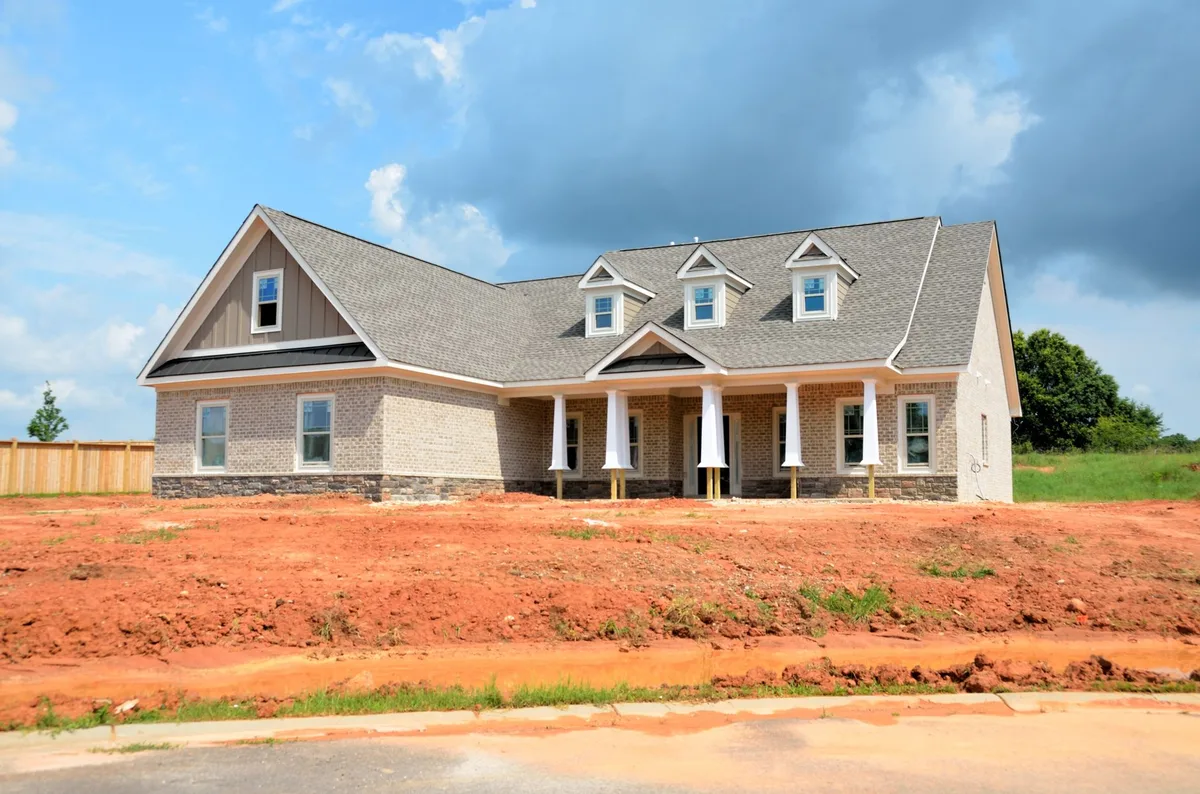
Pexels - Pixabay · original
In this article
Key Takeaway
When you finance a new construction home in Canada, your lender releases mortgage funds in scheduled draws as the builder completes specific construction stages, not as a single lump sum. You typically make interest-only payments on the advanced amounts during construction, then convert to a standard mortgage with principal and interest payments once the home is finished and you take possession. The draw schedule protects both you and the lender by ensuring funds are released only as work progresses.
How Construction Mortgage Draws Work
A construction mortgage differs from a standard purchase mortgage because the property you are buying does not exist yet. According to the Canada Mortgage and Housing Corporation, lenders release funds in stages tied to verifiable construction milestones rather than advancing the full amount upfront (CMHC, 2026).
The typical draw schedule includes four to six stages: an initial advance for the land purchase or deposit (often 15 to 25 per cent of the total mortgage), followed by draws at foundation completion (20 to 25 per cent), framing and roof (20 to 25 per cent), lock-up when the building is weather-tight (15 to 20 per cent), and a final advance at substantial completion (the remaining balance). The exact percentages and number of stages vary by lender and project type.
Before releasing each draw, the lender or a third-party appraiser inspects the property to confirm the work is complete to the stated milestone. This protects you from paying for work that has not been done and protects the lender from advancing funds beyond the current value of the partially built home.
Interest-Only Payments During Construction
While the home is under construction, you make interest-only payments on the amounts already advanced. If the lender has released C$200,000 in draws so far and your mortgage rate is 5 per cent, your monthly payment is roughly C$833 (interest only), not the full principal-plus-interest payment you will make after completion. The principal balance remains constant during this phase because you are not yet paying down the loan.
The interest-only period keeps your carrying costs lower while you may still be renting or living elsewhere, but you must budget for the jump to full payments once construction finishes. The Financial Consumer Agency of Canada recommends confirming your monthly payment at completion and ensuring you can afford it under the OSFI mortgage stress test qualifying rate, which is typically higher than your actual contract rate (FCAC, 2026).
Conversion to a Standard Mortgage at Completion
When construction is complete and you take possession, the construction mortgage converts to a standard closed mortgage with a defined term (commonly one to five years) and amortization period (up to 25 or 30 years, depending on your down payment and the property type). At this point, your payments switch from interest-only to blended principal and interest, and the regular mortgage rules apply: you make fixed payments, follow the prepayment privileges in your mortgage contract, and renew or refinance at the end of the term.
Read also: Low Appraisal in Canada: What Happens to Your Offer and Deposit
Many lenders offer a rate hold during construction, locking in your interest rate for 90 to 120 days or longer. If rates fall before completion, you typically get the lower rate; if they rise, you keep the locked rate. Construction delays can extend beyond the rate-hold window, leaving you exposed to higher rates at conversion, so confirm the rate-hold period and any extension options with your lender upfront.
CMHC Insurance and Down Payment Requirements
If your down payment is less than 20 per cent of the purchase price, you must pay for mortgage default insurance from CMHC, Sagen, or Canada Guaranty. The insurance premium (1.80 to 4.00 per cent of the mortgage amount, depending on your loan-to-value ratio) is typically added to your mortgage balance. Some lenders require a larger down payment for new construction than for resale homes, or they apply stricter qualification criteria because of the higher risk and longer timeline. As foundational texts such as Principles of Finance explain, construction financing carries additional uncertainty compared to financing an existing asset, which is reflected in lender requirements and pricing.
The builder may require deposits or progress payments outside the mortgage (paid from your own funds), particularly for custom builds or pre-construction condos. Confirm the full payment schedule, including any amounts not covered by the mortgage draw, before you sign the purchase agreement.
What to Do Next
If you are buying a new construction home, ask your lender or mortgage broker for a detailed draw schedule, the interest-only payment estimate during construction, the full payment amount after completion, the rate-hold period, and whether your down payment and credit profile meet their construction mortgage criteria. Verify that the builder’s construction timeline aligns with the lender’s draw-release process, and budget for potential delays. For your specific situation and to confirm current construction mortgage products and rates, consult a licensed mortgage broker or your financial institution.
Financial Disclaimer: This article provides general educational information about construction mortgages and builder financing in Canada. It is not personalized financial, lending, legal, or tax advice, and not an offer or commitment to lend. Mortgage products, rates, draw schedules, down payment requirements, and eligibility criteria vary by lender, builder, province, and your individual circumstances. Construction timelines, rate-hold periods, and prepayment terms differ by lender and property type. As of August 2026, rates and lending criteria change frequently; verify current offerings and requirements with a licensed mortgage professional before making any financing decisions. The OSFI mortgage stress test, CMHC insurance requirements, and land transfer tax rules vary by province and territory. For advice tailored to your situation, consult a licensed mortgage broker or qualified financial advisor.
Sources
- Home Buying Guide (accessed )
- Mortgages and Home Financing (accessed )
- Mortgage Information and Rates (accessed )
- Principles of Finance (accessed )
Related articles
5 Mortgage Strategies for Fall Home Buyers in Canada
5 smart mortgage strategies for fall home buyers in Canada. Learn how to leverage seasonal market patterns, rate trends, and timing for better terms.

First-Time Home Buyer's Guide to Getting a Mortgage in Canada
Learn how to get your first mortgage in Canada: credit requirements, the stress test, down payment rules, and closing steps explained.

Fall Property Season in Canada: Getting Pre-Approved Before the Competition Heats Up
Fall is Canada's second-busiest home-buying season. Get mortgage pre-approval before competing: firm budget, rate hold, and seller confidence.
