US Mortgage Rates Hit Highest Levels in Over a Year
Average 30-year fixed mortgage rates have climbed above 7.2%, marking the highest point since summer 2025, driven by stronger-than-expected economic data and Federal Reserve policy signals.
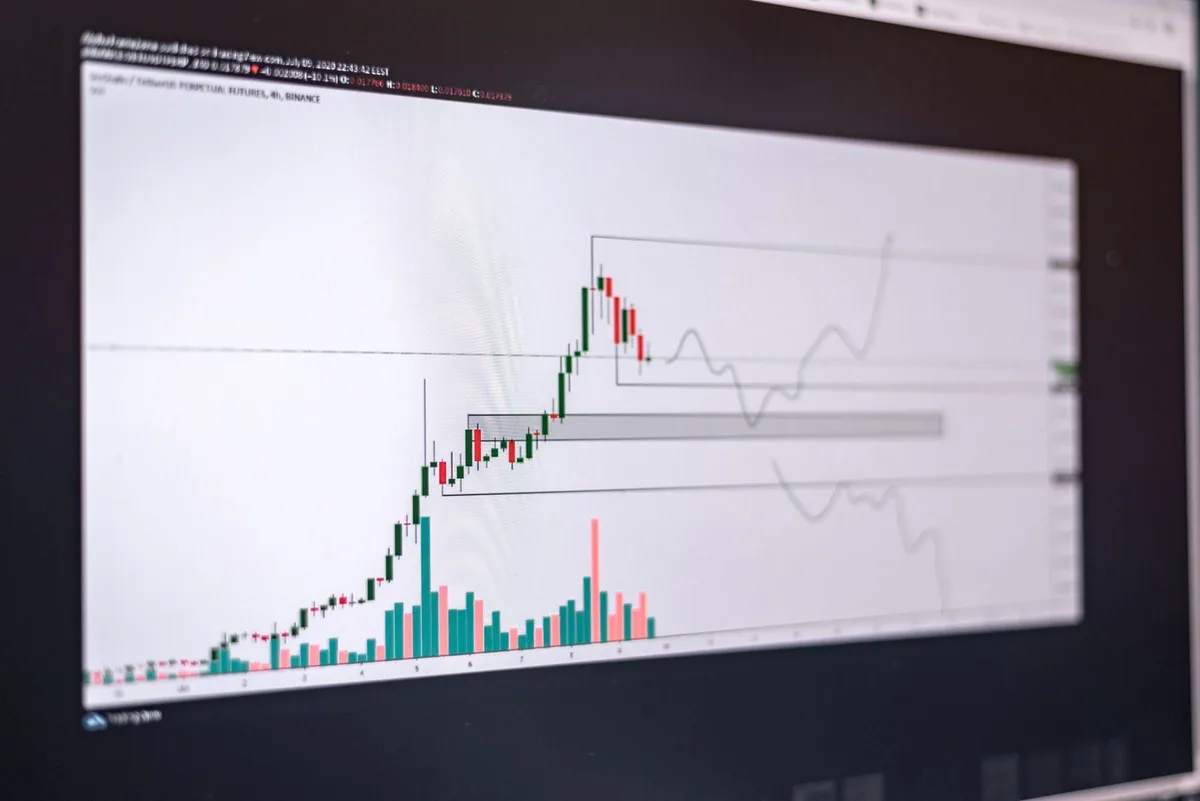
Pexels - AlphaTradeZone · original
Mortgage rates have climbed to their highest point in more than a year, with the average 30-year fixed-rate mortgage now above 7.2% as of mid-October 2026. The surge marks a sharp reversal from the lower rates borrowers enjoyed earlier this year and reflects stronger economic data and Federal Reserve policy signals. For prospective homebuyers, this means higher monthly payments and reduced purchasing power. Refinancing activity has also slowed dramatically as fewer homeowners can benefit from rate-and-term refinances.
Current Rate Snapshot
According to Freddie Mac’s Primary Mortgage Market Survey, the average rate for a 30-year fixed-rate conventional loan sits at approximately 7.25%, up from around 6.5% at the start of 2026 (Freddie Mac, 2026). The 15-year fixed rate has similarly risen to near 6.6%. FHA loan rates, which typically run slightly lower than conventional rates, are hovering around 7.0% for qualified borrowers with credit scores of 580 or higher. Adjustable-rate mortgages (ARMs) remain available at lower initial rates, typically starting in the mid-6% range for 5/1 and 7/1 ARMs, but these products carry the risk of future rate adjustments.
The Federal Reserve’s policy stance continues to influence these rates. As covered in foundational texts such as Principles of Finance, mortgage rates track closely with the yields on 10-year Treasury notes, which in turn respond to Federal Reserve interest rate decisions and inflation expectations. Recent Fed communications have signaled a cautious approach to rate cuts, keeping upward pressure on long-term borrowing costs (Federal Reserve, 2026).
What This Means for Borrowers
For homebuyers, a 7.2% rate on a 30-year loan means significantly higher monthly payments compared to the sub-6% rates available in recent years. On a $400,000 loan, the difference between a 6% and 7.2% rate amounts to approximately $300 more per month, or $108,000 over the life of the loan. This rate environment has reduced affordability for first-time buyers especially, as the combination of elevated home prices and higher rates pushes monthly debt-to-income ratios to the edge of qualification limits.
Refinancing has become much less attractive. Homeowners who locked in rates below 5% during 2020-2022 have little incentive to refinance at current rates. Rate-and-term refinancing only makes sense now if you have an adjustable-rate mortgage set to reset higher or if you are in a high-rate loan from the recent past. Cash-out refinancing remains an option for homeowners who need to access equity, but the higher rate will increase your monthly payment unless you significantly extend your loan term.
Read also: FOMC October 27-28 Decision: What It Means for US Mortgage Rates
What to Do
If you are actively searching for a home, consider locking in your rate as soon as you have a signed purchase contract. Rates remain volatile and could move higher before your closing. According to the Consumer Financial Protection Bureau, a rate lock protects you from increases during the 30- to 60-day period between contract and closing (CFPB, 2026). Ask your lender about the cost of a lock extension in case your closing is delayed.
For refinancing, run the numbers carefully. Calculate your break-even point by dividing your closing costs by your monthly savings. If you plan to stay in the home longer than the break-even period, refinancing may still make sense, but for most borrowers with existing low rates, waiting for rates to decline is the better strategy.
This information is educational and general in nature. Mortgage rates change daily and vary by lender, loan program, credit score, loan-to-value ratio, and location. The rates and scenarios described here reflect market conditions as of mid-October 2026 and are not personalized lending advice. For your specific situation, obtain rate quotes from multiple licensed lenders, compare annual percentage rates (APR) as well as interest rates, and confirm all terms, fees, and eligibility requirements before committing. Loan approval and rate offers depend on your individual financial profile and the lender’s underwriting criteria.
Sources
- Freddie Mac Primary Mortgage Market Survey (accessed )
- Federal Reserve H.15 Selected Interest Rates (accessed )
- Consumer Financial Protection Bureau - Owning a Home (accessed )
- Principles of Finance (accessed )
Related articles
What the October 2026 FOMC Decision Means for Mortgage Rates in the US
The FOMC met October 27-28, 2026. Learn how Federal Reserve decisions affect mortgage rates and what US homebuyers should do now.

Mortgage and Refinance Interest Rates Today in the US: October 27, 2026
Mortgage rates rose again on October 27, 2026. See today's rates for 30-year fixed, 15-year fixed, and ARM loans, plus what the trend means for borrowers.
Mortgage and Refinance Interest Rates Today in the US: Rates Edge Lower on October 21, 2026
Mortgage rates edged lower on October 21, 2026. See today's rates for purchase loans and refinancing, what's driving the shift, and what borrowers should do next.
