Mortgage and Refinance Interest Rates Today in the US: October 11, 2026
Fixed-rate mortgages rose this week while adjustable-rate mortgages fell. Here's what today's rates mean for borrowers shopping for a home loan or considering a refinance.

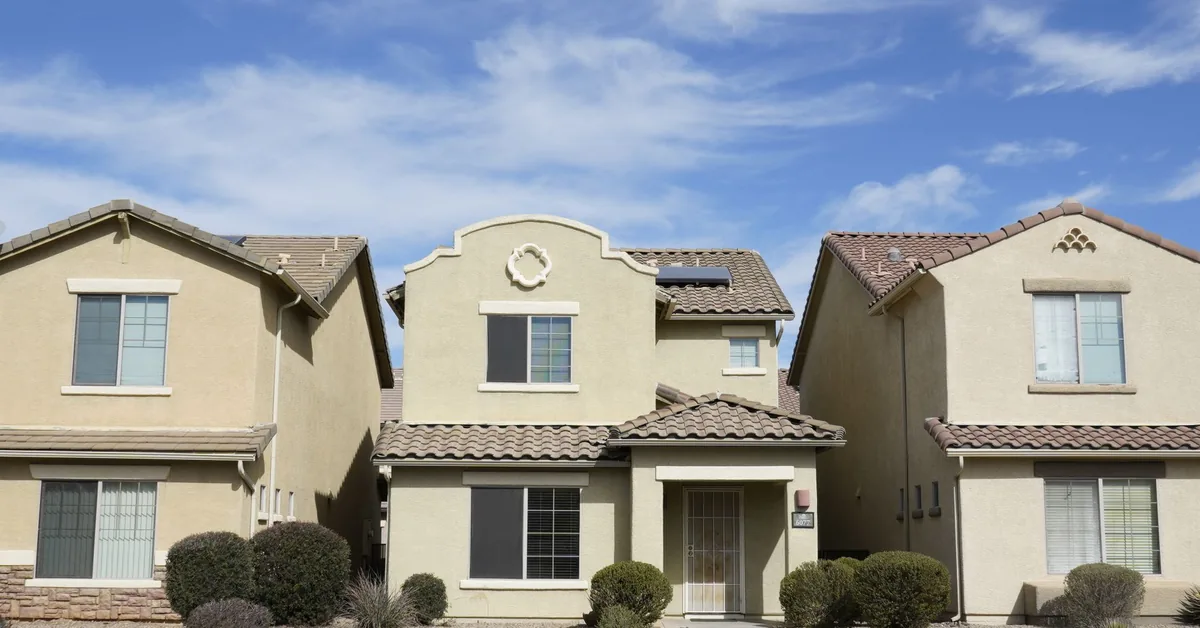
Pexels - Rafael Minguet Delgado · original
In this article
Key Takeaway
As of Sunday, October 11, 2026, the average 30-year fixed-rate mortgage rose to 6.78 percent, up from 6.69 percent last week, while the 15-year fixed rate climbed to 6.12 percent from 6.05 percent. In contrast, adjustable-rate mortgages (ARMs) moved in the opposite direction: the 5/1 ARM fell to 6.24 percent from 6.31 percent. These movements reflect shifting investor expectations about Federal Reserve policy and inflation trends heading into the fourth quarter.
What This Week’s Rate Movement Means
Fixed-rate mortgages track long-term bond yields, which rose this week as investors adjusted expectations for inflation and economic growth. According to Freddie Mac’s Primary Mortgage Market Survey, the uptick in fixed rates follows a pattern seen when the bond market anticipates sustained economic activity. For a borrower financing a $300,000 home with a 30-year fixed mortgage at 6.78 percent, the monthly principal and interest payment would be approximately $1,967, compared to $1,942 at last week’s 6.69 percent rate, a difference of $25 per month or $9,000 over the life of the loan.
ARMs, which adjust after an initial fixed period (typically five, seven, or ten years), declined because their rates are tied to shorter-term indexes that respond more quickly to Federal Reserve policy signals. The Federal Reserve held its benchmark rate steady this week but hinted at possible cuts in early 2027, pushing short-term yields down and making ARMs more attractive for borrowers who plan to move or refinance before the adjustment period begins.
What Borrowers Should Consider
Foundational financial texts such as Principles of Finance explain that mortgage rate selection depends on how long you plan to stay in the home and your tolerance for future payment changes. Fixed-rate loans lock in your rate for the entire term, protecting you from future increases but offering no benefit if rates fall (unless you refinance). ARMs start lower but can adjust significantly after the fixed period ends, which may increase your monthly payment.
For buyers planning to stay in a home for more than seven years, the 30-year fixed rate at 6.78 percent offers long-term stability. For those expecting to move or refinance within five years, the 5/1 ARM at 6.24 percent could save approximately $100 per month initially on that same $300,000 loan.
Read also: Mortgage and Refinance Interest Rates Today in the US: June 8, 2026
Refinancing makes financial sense when the new rate is low enough to recover closing costs (typically 2 to 5 percent of the loan amount) within your planned timeframe. With rates rising this week, fewer homeowners with loans originated in 2023 or earlier will see savings from a rate-and-term refinance. Cash-out refinancing remains an option for accessing home equity, but the higher rate environment increases the cost of borrowed funds compared to a home equity line of credit (HELOC), which often carries lower rates for borrowers with strong credit.
Rate Outlook and Next Steps
Rate movements are driven by economic data releases, Federal Reserve announcements, and global market conditions, all of which can shift weekly. According to the Consumer Financial Protection Bureau, borrowers should compare offers from at least three lenders, as individual lender rates vary based on your credit score, down payment, debt-to-income ratio, and loan-to-value ratio.
If you are shopping for a mortgage or refinance, request loan estimates that show the interest rate, APR (which includes fees), and estimated closing costs. Rate locks, which hold your quoted rate for 30 to 60 days while your loan processes, protect you from further increases but prevent you from benefiting if rates fall. Discuss lock timing with your loan officer based on your closing timeline.
Important: Rates shown here are national averages as of October 11, 2026. Rates change daily and individual offers depend on your credit profile, loan type, down payment, and the lender’s pricing. Contact a licensed mortgage lender for a personalized rate quote and discuss whether a fixed-rate or adjustable-rate mortgage fits your financial situation and timeline. This information is educational and does not constitute personalized financial or lending advice. For specific guidance, consult a licensed loan officer or HUD-approved housing counselor.
Sources
- Primary Mortgage Market Survey (accessed )
- Housing Market Research and Insights (accessed )
- Consumer Tools - Mortgages (accessed )
- Principles of Finance (accessed )
Related articles
Mortgage and Refinance Interest Rates Today in the US: June 8, 2026
Purchase and refi mortgage rates are nearly identical today, June 8, 2026. See current rates for 30-year fixed, 15-year fixed, and ARM loans in the US.

Mortgage Rates in the US Show Mixed Movement in Late June 2026
US mortgage rates show mixed movement in late June 2026. See current trends for 30-year fixed, 15-year fixed, and refinance rates today.

Mortgage and Refinance Interest Rates Today in the US: October 27, 2026
Mortgage rates rose again on October 27, 2026. See today's rates for 30-year fixed, 15-year fixed, and ARM loans, plus what the trend means for borrowers.
