
Compare Big Four Home Loan Interest Rates in Australia: How Do CBA, NAB, ANZ and Westpac Stack Up?
A direct comparison of Commonwealth Bank, NAB, ANZ and Westpac home loan rates, features and what each major lender offers Australian borrowers.

Home loan, refinancing, and property-finance guidance for Australian buyers and owners.

A direct comparison of Commonwealth Bank, NAB, ANZ and Westpac home loan rates, features and what each major lender offers Australian borrowers.


RBA rate rises have increased mortgage repayments and reduced borrowing capacity, reshaping affordability for Australian home buyers and existing borrowers.

Commonwealth Bank, Westpac, NAB and ANZ have all passed on the Reserve Bank's latest cash rate increase in full to variable-rate home loan customers.

The comparison rate shows the true annual cost of a home loan by including most fees and charges, not just the advertised interest rate alone.

Understand the key differences between fixed-rate and variable-rate home loans in Australia and how to choose the right option for your circumstances.

The Reserve Bank's October meeting falls at a critical time for borrowers and property buyers as the spring market heats up ahead of summer.

NAB-owned Ubank has launched a home loan requiring just a 10% deposit without lenders mortgage insurance (LMI) for eligible borrowers in Australia.

Learn how to secure finance and prepare for unconditional auction bids when buying property at auction in Australia, from pre-approval to settlement.

Compare loan types, qualification criteria, and key features for Australian investment property loans to find the right finance for your rental property purchase.

A practical guide to the essential steps, deposit requirements, and government schemes that help first home buyers secure a home loan in Australia.

Compare five strategies to avoid or reduce LMI costs when buying a home in Australia, from saving a larger deposit to using government schemes and professional exemptions.

Spring is Australia's busiest property season. A strategic pre-approval gives you a clear budget, competitive edge at auction, and the confidence to act quickly when the right home appears.
Offset accounts and redraw facilities reduce the interest you pay by lowering your loan balance used for interest calculations or letting you access extra repayments.

Learn proven strategies to pay off your Australian home loan faster, from extra repayments to offset accounts and refinancing options.

Offset accounts and redraw facilities can both help you pay off your home loan faster, but they work differently and suit different needs.

An offset account is a transaction account linked to your home loan that reduces the interest you pay by offsetting your loan balance with your savings.

Debt recycling is a tax strategy that converts non-deductible home loan debt into tax-deductible investment debt by using your home equity to invest in income-producing assets.

Compare reverse mortgages with the government's Home Equity Access Scheme to decide which equity-release option suits your retirement income needs in Australia.

Compare the best home loan cashback offers and refinance deals available in Australia, including what to look for and common pitfalls to avoid.

Refinancing your Australian home loan can cut thousands of dollars from your interest bill. Learn how the process works, when to refinance, and what to watch for when switching lenders.

A practical spring checklist for Australian property investors to review their home loan rates, assess refinancing opportunities, and optimise their investment portfolio's financing structure.

Break costs compensate lenders when you exit a fixed-rate home loan early. Learn how Australian lenders calculate these fees and what factors determine the amount you may owe.

Discharge fees and settlement timing can add hundreds of dollars and weeks to your refinancing process when switching lenders in Australia.

Refinancing your home loan can cut your interest rate and save thousands over the life of the loan. Learn when it makes sense and how to do it.

Compare the First Home Guarantee scheme against traditional home loans and LMI routes to find the best deposit strategy for your first home purchase.

The First Home Guarantee scheme offers limited places each financial year. Learn how many spots are available for 2027-28, when applications open, and how to secure your place before they run out.

Compare self-managed super fund property loans, traditional home loans, and other investment options to decide the right path for your property investment strategy.

Understand how stamp duty concessions work across Australian states and territories, and use our calculator to estimate your potential savings as a first home buyer.

The First Home Guarantee helps eligible Australians buy their first home with as little as a 5 percent deposit, avoiding lenders mortgage insurance.

Learn how Australian lenders use your debt-to-income ratio to assess home loan applications and discover practical steps to improve your borrowing capacity.

Self-employed Australians can secure home loans through low-doc or full-doc applications by meeting lender serviceability requirements with ABN records, tax returns, and consistent income proof.

When interest rates rise, your borrowing capacity often falls, even if your income stays the same. Learn how lenders assess serviceability and what the interest rate buffer means for your home loan.

Investment properties and second homes face different lending rules and tax treatment in Australia. Understanding these distinctions can save you thousands and help you choose the right financing strategy.

Property investors can claim a range of tax deductions before the June 30 financial year end, including loan interest, depreciation, repairs, and management fees.

Stamp duty is one of the largest upfront costs when buying property in Australia, and the amount varies significantly by state and territory. Use our calculator to estimate your stamp duty cost based on your location, property price, and buyer status.

Stamp duty can be one of the biggest upfront costs when buying property in Australia. Estimate it by state or territory before you set your deposit target or sign a contract.

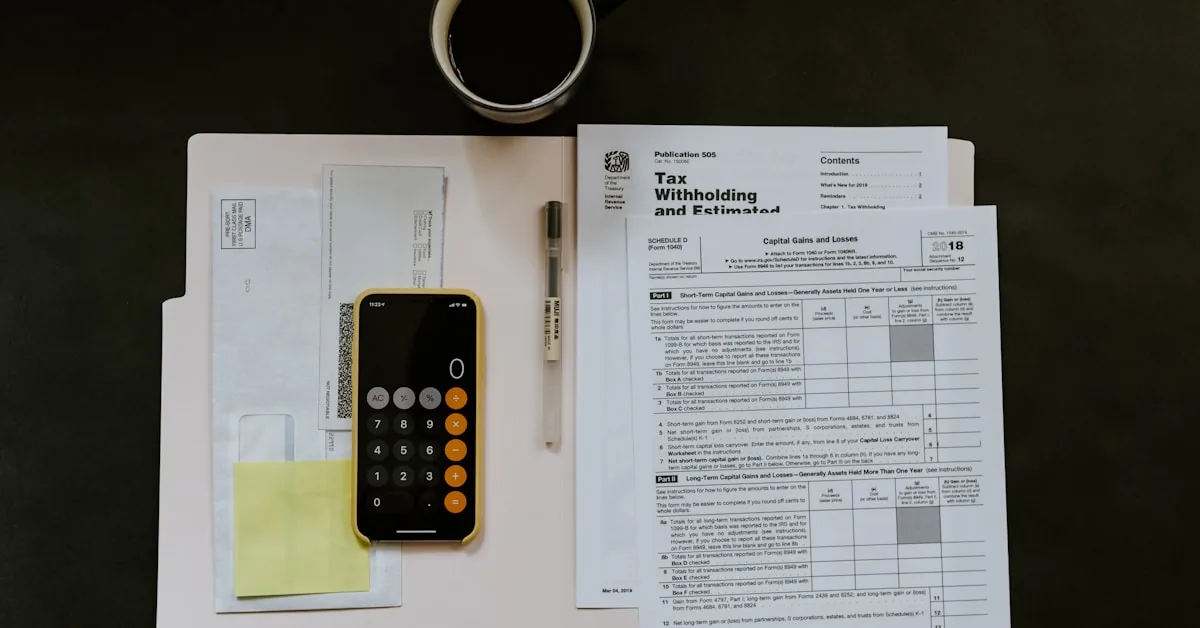
Before lodging your tax return, organise your investment property records, separate deductible interest from private borrowing, and check repairs, depreciation, refinancing costs and rental income. This checklist helps Australian property investors prepare cleaner records for their tax agent.

Learn how to maximise your deductions and prepare accurate records before lodging your investment property tax return at end of financial year.

The October 31 tax lodgment deadline is approaching for individual taxpayers in Australia. Investment property owners must declare rental income, claim deductions, and lodge their return on time to avoid penalties.

Repayment pauses and hardship arrangements offer short-term relief but can add thousands in interest and extend your loan term by years. Compare the true cost of each option before you choose.

If you own an investment property, the October 31 deadline for lodging your tax return is the final date to claim rental deductions for the financial year. Make sure you have gathered all expense records and understand what you can and cannot claim.

Investment property deductions can reduce taxable rental income, but only if the expense is allowable and properly documented. Use this checklist to review loan interest, repairs, agent fees, depreciation and records before the 31 October self-lodgment deadline.
Get new articles?
Want notifications about new articles and tools? You can unsubscribe anytime, and we store no personal data about you.