
Mortgage
How to Compete Without Overbidding in the US Fall 2026 Home Buying Season
Strategic ways to strengthen your offer and win a home in fall 2026 without paying more than market value.
Refisage / Mortgage
Strategic ways to strengthen your offer and win a home in fall 2026 without paying more than market value.

The Federal Reserve's September FOMC decision impacts mortgage rates. Here's what borrowers need to know about rate locks right now.

What to expect for mortgage rates following the Federal Reserve's September 2026 policy meeting and how borrowers should respond.

Learn the essential steps to secure your first mortgage in the US, from checking your credit to closing on your home.

FHA loans are government-backed mortgages that allow buyers to qualify with lower down payments and credit scores than conventional loans require.

Discover how VA home loans help veterans and active military buy homes with zero down payment, no PMI, and competitive rates backed by the Department of Veterans Affairs.

Learn how mortgage discount points work, what they cost, and how to calculate whether buying down your rate saves money over the life of your loan.

Learn proven strategies to make your home offer stand out when inventory is tight and competition is fierce this fall.

Your adjustable-rate mortgage is about to reset. Here's how to decide whether refinancing to a fixed rate makes financial sense for your situation.

Understand the key differences between fixed-rate and adjustable-rate mortgages to choose the right loan structure for your homebuying goals.

Compare refinancing scenarios to determine whether rate-and-term, cash-out, or holding your current loan offers the best financial outcome for your situation.

Learn what closing costs include, how much to expect, and proven strategies to reduce fees when buying a home in the United States.

Compare the most effective strategies to raise your credit score before you apply for a home loan, from paying down debt to disputing errors.

Compare five proven strategies to accelerate mortgage payoff and save thousands in interest without the cost and hassle of refinancing.

Compare cash-out refinancing and home equity loans to decide which option works best for accessing your home equity in the United States.

A step-by-step checklist explaining how mortgage escrow accounts work, what they cover, and what homeowners need to know about escrow payments.

Compare a HELOC to a cash-out refinance to decide which home equity option works best for your financial goals, timeline, and borrowing needs.

Learn the step-by-step process to evaluate whether refinancing your mortgage at current rates will save you money or cost more in the long run.

Forbearance temporarily pauses your mortgage payments during financial hardship, but interest continues to accrue and other homeownership costs remain your responsibility.
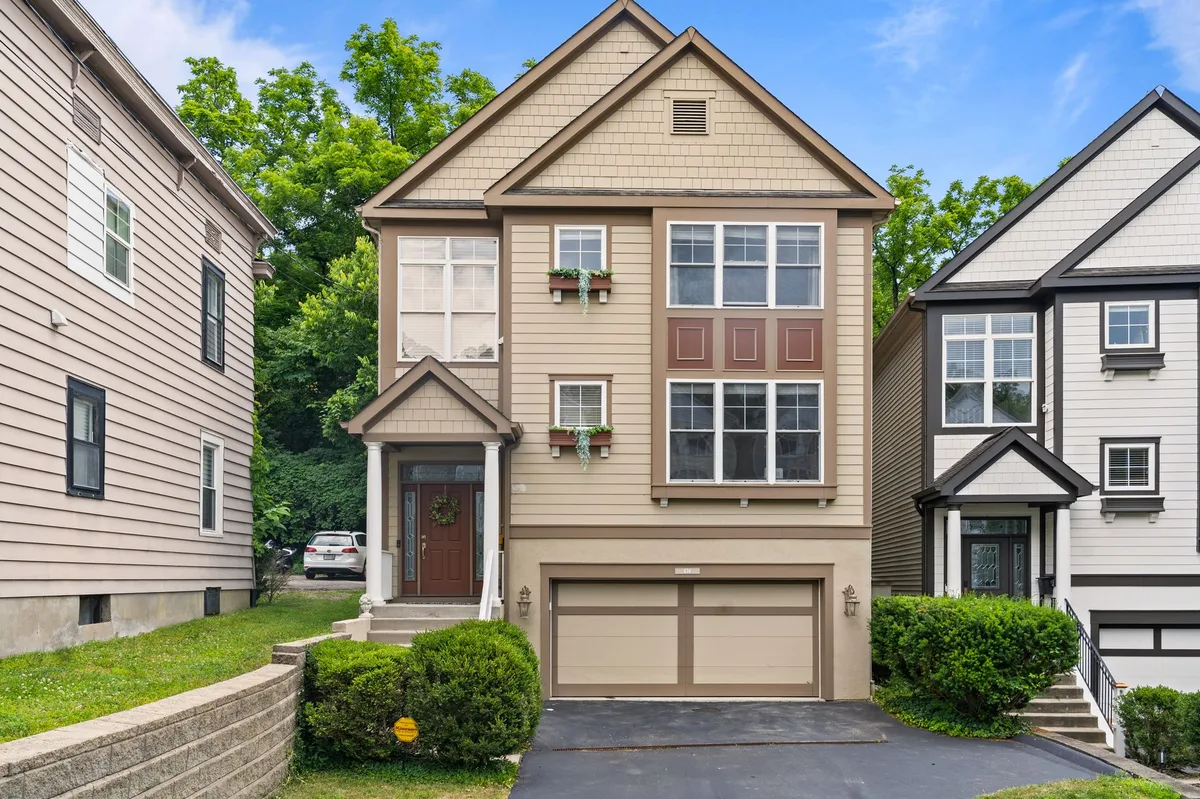
Understanding the conforming loan limit and how crossing it changes your mortgage requirements, rates, and qualification standards.

Lenders and the IRS classify second homes and investment properties differently, and those distinctions affect your down payment, interest rate, and tax deductions.

Compare assumable mortgage options - FHA, VA, and USDA loans - versus getting a new conventional loan, and learn when taking over a seller's low rate makes financial sense.

A construction loan for a newly built home pays the builder in stages as work progresses, not all at once. Understand how draws, inspections, and rate lock timing affect your costs and closing.

FHA loans allow credit scores as low as 500, but most lenders require 580 or higher. Compare FHA, conventional, and credit-improvement paths to find the right approach for buying with imperfect credit.

Understand where prepayment penalties still appear on US home loans, how much they cost, and how federal rules protect most borrowers from unexpected fees when paying off a mortgage early.

Learn how FHA-insured HECM reverse mortgages let homeowners 62 and older convert home equity into cash without monthly payments.

Learn the two ways to eliminate private mortgage insurance on a conventional loan in the United States, plus the equity milestones and timing rules you need to know.

Escrow shortages happen when property taxes or insurance premiums increase more than your lender anticipated, forcing your monthly mortgage payment higher.

When using gift money for a down payment, lenders require a signed gift letter and a complete paper trail documenting the transfer from donor to buyer.

When an appraisal comes in low, buyers face several options that affect both their purchase contract and earnest money deposit. Understanding your choices helps you protect your investment.

Self-employed workers can qualify for a mortgage using bank statement loans or P&L documentation instead of traditional W-2 income verification.

Learn whether to lock your mortgage rate now or wait until after the Federal Reserve's September meeting, and how FOMC decisions impact your rate strategy.

Compare mortgage recasting and refinancing to find the most cost-effective way to reduce your monthly payment without starting a new 30-year term.

Learn how switching to bi-weekly mortgage payments can help you pay off your home loan years ahead of schedule and save thousands in interest.

Learn the formulas for gross and net rental yield, understand what each number reveals about your investment property's performance, and see how to compare properties effectively.

A mortgage comparison calculator reveals how term length affects your monthly payment and total interest cost, helping you choose the right loan for your budget and goals.

Learn the simple formula to calculate how much equity you can tap from your home for a HELOC or cash-out refinance, and understand the loan-to-value limits that determine your borrowing power.

Understand how adjustable-rate mortgage payments change at adjustment and calculate your new payment amount.

Switching from monthly to bi-weekly mortgage payments accelerates payoff and cuts total interest by making one extra full payment per year through the calendar math of 26 half-payments instead of 12 full ones.

Learn how interest accrues during a HELOC's draw and repayment periods and what you'll pay over the life of the loan.

See exactly how much of each mortgage payment goes to principal versus interest over the life of your loan.

Understand the real costs you'll pay when buying or refinancing a home in the United States, from lender fees to title insurance.

Deciding between buying mortgage points or keeping cash for closing costs depends on your break-even timeline, emergency reserves, and how long you plan to stay in the home.

Learn how to calculate your home equity, understand what drives it, and see why this number matters for refinancing, borrowing, and building wealth.

Learn how to compare mortgage offers side by side to find the lower true cost, including rates, fees, and total interest paid.

Learn how rental yield measures your property's annual return and what percentage signals a strong investment in today's US real estate market.

Learn to decode your amortization schedule, understand how each payment splits between principal and interest, and see exactly how much interest you'll pay over the life of your loan.

Learn how debt-to-income ratios determine how much home you can afford and what monthly payment fits your budget.

Accelerate your path to dropping private mortgage insurance by making extra monthly payments and tracking your equity buildup to 20%.

Learn how home equity lines of credit work and use the combined loan-to-value formula to estimate how much you can borrow against your home equity.

When your adjustable-rate mortgage hits its reset date, your monthly payment can change significantly. Understanding how lenders recalculate your payment helps you plan ahead and avoid surprises.

Compare HELOCs and cash-out refinancing to decide which option works best for tapping your home equity in today's market.

A comparison of 15-year and 30-year mortgages, showing how term length affects total interest paid and monthly payments.

Compare cash-out refinancing and home equity loans to decide which option best fits your financial goals and current mortgage situation.

Compare FHA and conventional mortgages to see which loan type fits your credit score, down payment, and long-term costs.

Learn how Federal Reserve rate decisions influence mortgage interest rates and what borrowers should watch for when planning to buy or refinance.

Compare strategies to avoid paying PMI or cancel it once you build enough equity in your home.

Understand the critical differences between mortgage pre-qualification and pre-approval, and learn what sellers prioritize when evaluating competing offers in today's US housing market.

Whether to refinance now or wait depends on your break-even timeline, how long you plan to stay in the home, and the real cost of waiting versus the potential savings from a future rate drop.

Understanding conforming loan limits helps you know whether you qualify for standard mortgage terms or need a jumbo loan when buying a home.

USDA loans offer zero-down financing for eligible rural and suburban homebuyers with competitive rates and flexible credit requirements.

Bi-weekly mortgage payments let you make one extra monthly payment per year, reducing your principal faster and building equity years ahead of schedule while saving thousands in interest.
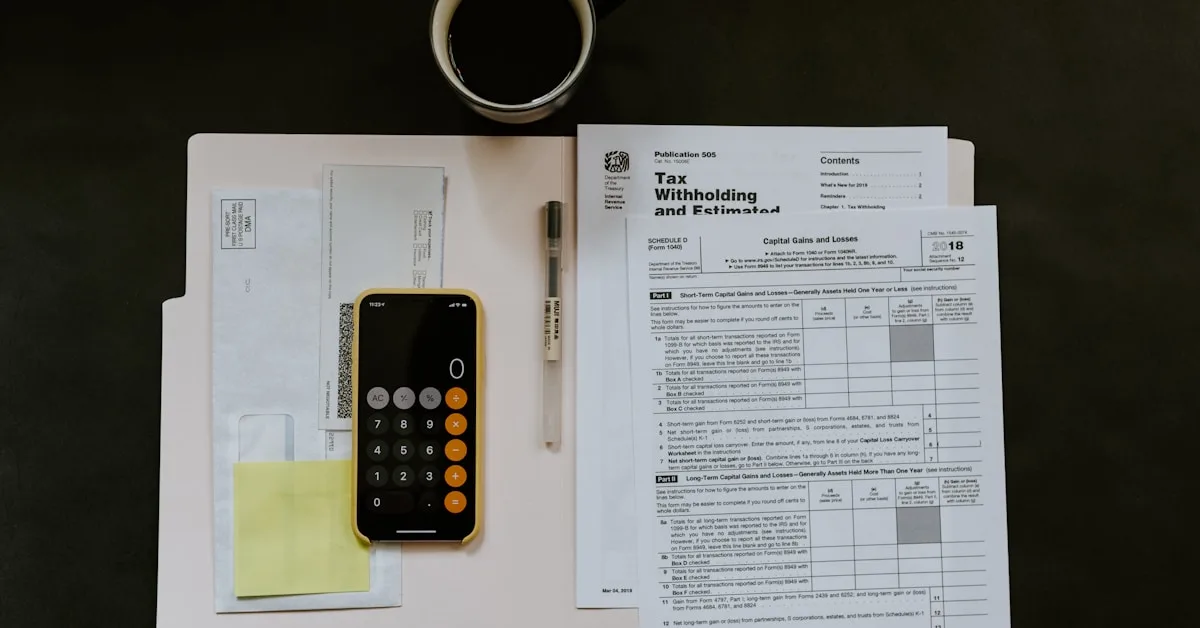
Compare jumbo and conforming loans to understand which financing option fits your high-value home purchase and whether you meet the stricter qualification standards.

August presents unique opportunities and challenges for home buyers as families prioritize settling before school starts, often reducing competition and creating potential for better deals.

First-time buyers in the US typically choose between FHA loans (3.5% down, easier credit standards) and conventional mortgages (higher credit requirements, lower costs with 20% down). Your best option depends on your credit score, down payment savings, and how long you plan to stay in the home.

A bridge loan is a short-term financing solution that lets you buy a new home before your current home sells, using your existing equity as collateral.

Your debt-to-income ratio is one of the most critical factors lenders evaluate when deciding whether to approve your mortgage application and at what terms.

A HELOC lets you borrow against your home equity as needed. Learn how draw periods, repayment periods, variable rates, and qualification requirements work.

When mortgage rates are elevated, deciding between a HELOC and cash-out refinance requires careful analysis of costs, flexibility, and your financial timeline.

When the Federal Reserve holds rates steady, ARM borrowers may assume their payments will stay flat too, but that is not how adjustable-rate mortgages work.

The Federal Reserve's July 2026 meeting could signal rate changes ahead. Here's what borrowers need to know about timing a refinance.

Mortgage rates remain elevated following the July 2026 FOMC meeting, with the Federal Reserve holding rates steady as inflation persists above target.

Learn the service, credit, and property requirements to qualify for a VA home loan in 2026.

Refinancing your mortgage can save you thousands, but timing matters. Learn the five key scenarios when refinancing makes financial sense for US homeowners.

Learn who qualifies for a VA home loan in 2026, from service requirements to credit standards and how to get your Certificate of Eligibility.

When mortgage rates are elevated, choosing between a HELOC and a cash-out refinance requires careful analysis of rate structures, costs, and your existing mortgage terms.

Learn how mortgage points can reduce your interest rate, when buying points makes financial sense, and how to calculate your break-even timeline.

Understanding the 2026 conforming loan limits helps you choose between conventional and jumbo financing and potentially save thousands on your mortgage.

A HELOC lets you borrow against your home equity with a revolving credit line, offering flexible access to funds for major expenses.

An escrow account is a separate account your lender manages to pay property taxes and homeowners insurance on your behalf, ensuring these critical costs are covered on time.

A comprehensive guide comparing FHA and conventional loans to help you understand qualification requirements, costs, and the best option for your home purchase in the United States.

Understanding the difference between fixed-rate and adjustable-rate mortgages helps you choose the loan structure that matches your financial plans and risk tolerance.

Choosing between a stable interest rate and a fluctuating one is a critical housing decision. Learn how fixed-rate and adjustable-rate mortgages work in the US to make an informed choice.

Deciding how to tap your home equity? Learn the key differences between a cash-out refinance and a home equity loan in the US.

Learn what mortgage points are, how they work, and whether buying down your interest rate makes financial sense for your home purchase.

Learn how first-time home buyers can navigate the mortgage process in the US, from pre-approval through closing, with clear explanations of loan types, qualification requirements, and available programs.

Learn how VA home loans work, who qualifies, and how to use this zero-down-payment benefit to buy a home.

On May 1, 2026, US mortgage rates climbed as renewed inflation fears gripped markets, pushing the 30-year fixed rate above 7% and making borrowing more expensive for homebuyers and those considering a refinance.
Conventional mortgage and refinance interest rates moved upward across the board on May 13, 2026, driven by persistent inflation concerns.

Mortgage and refinance rates in the United States remain largely unchanged from last week, with 30-year fixed rates hovering near recent levels and economic signals pointing to continued stability.

A HELOC can preserve a low first-mortgage rate, while a cash-out refinance replaces the whole loan. The better choice depends on how much equity you need, how long you will borrow, and whether your current mortgage rate is worth keeping.

A Federal Reserve rate pause does not automatically lower mortgage rates in the US, but it can bring stability to home buyers.

Fixed mortgage rates were elevated around June 6, 2026, with 30-year rates near the mid-6% range. Borrowers should compare APR, points, and closing costs before locking a rate.
Mortgage and refinance rates were mixed over the July 4 holiday weekend, with purchase rates holding steadier than some refinance quotes. Borrowers should compare APR, points, and closing costs before locking.

A steady Federal Reserve does not make an adjustable-rate mortgage risk-free. ARM borrowers still need to watch reset dates, indexes, margins, caps, and refinance timing.
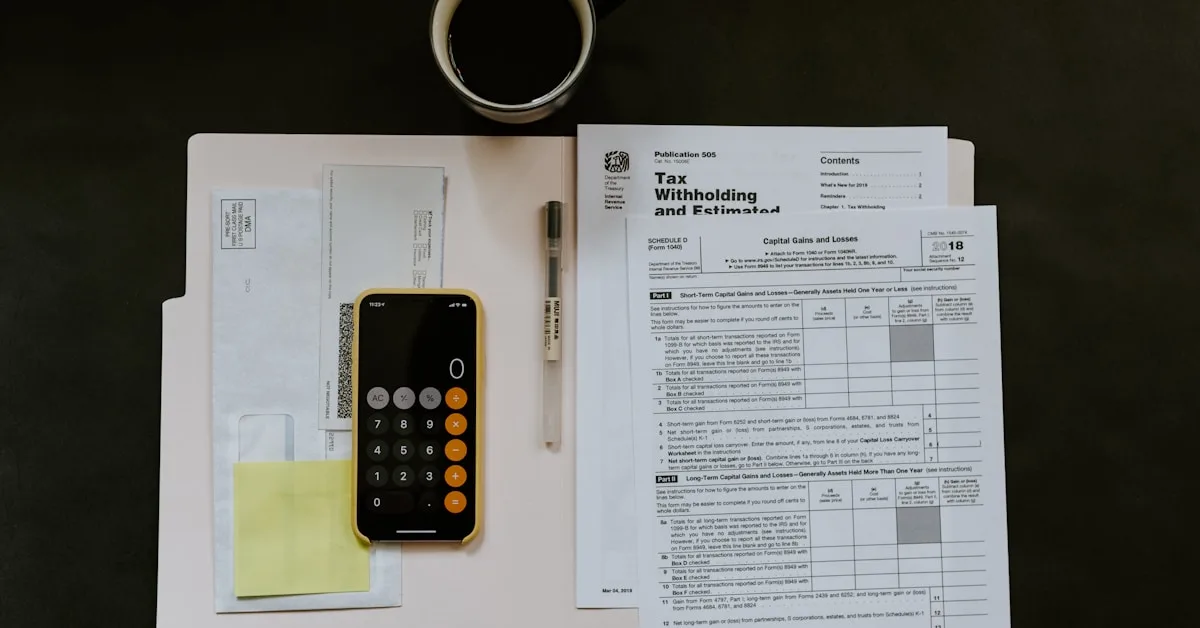
Most US homeowners should not refinance solely because of the July FOMC meeting. Compare today's lender quotes against your break-even point, loan timeline, and fall rate risk before deciding.

Mortgage rates are lower than they were a year ago, but buyers should not expect the July Fed meeting to instantly reset home loan pricing. Watch Treasury yields, lender spreads, and rate-lock terms before making an offer.

VA loan eligibility starts with your service history, but approval also depends on the property, occupancy, credit, income, and lender underwriting. Here is the summer 2026 checklist veterans can use before shopping for a home.

Purchase and refinance mortgage rates stayed close on June 15, 2026, with the 30-year fixed average still below 7%. Borrowers should compare APR, fees, points, and closing costs before locking a rate.

Mortgage rates moved higher in mid-May 2026 as Treasury yields rose. Buyers and refinancers should compare APRs, points, and total closing costs before locking.

Mortgage and refinance rates were slightly lower than earlier in the week, but affordability remains tight. Borrowers should compare APRs, points, and closing costs before locking.

A Federal Reserve rate cut can help some borrowing costs, but mortgage rates do not move in lockstep with the Fed's policy rate. Here is why home loan rates may stay high even after the Fed cuts.

Mortgage and refinance rates moved higher on May 4, 2026. The risk of another increase this week depends mainly on inflation data, Treasury yields, and Federal Reserve signals.

Mortgage and refinance rates eased slightly on May 22, 2026, but borrowing costs remained high by recent standards. Here is what the move means for US buyers and homeowners.

Fed rate cuts do not automatically make mortgage rates fall. In 2026, buyers should watch Treasury yields, inflation, and lender quotes more closely than headlines alone.

Mortgage rates were still near 6.5% on June 4, 2026. Here is what buyers and refinancers should know before locking a rate.

A HELOC calculator estimates how much revolving credit you may be able to borrow against home equity. The key inputs are home value, current mortgage balance, lender loan-to-value limits, credit profile, and any existing liens.

Debt-to-income ratio helps estimate how much mortgage payment may fit your budget. This calculator shows how income, debts, taxes, insurance, and loan assumptions work together.

Current mortgage and refinance rates declined across all major loan types on June 13, 2026, with the 30-year fixed rate dropping below recent averages.

Purchase and refinance mortgage rates are tracking closely together as of Monday, June 8, 2026, offering similar terms for both homebuyers and existing homeowners.

US mortgage and refinance rates were mixed on Tuesday, June 23, 2026. Borrowers should compare APR, points, and closing costs before locking.

The Fed held its policy rate steady in June, but that does not automatically create a refinance opportunity. The real test is your current mortgage rate, closing costs, credit profile, and break-even timeline.

Learn the essential questions to ask mortgage lenders and how to compare loan offers to find the best terms for your home purchase.

Current mortgage and refinance interest rates as of June 24, 2026, plus factors that could drive rates up or down this week.

US mortgage rates reversed recent declines today, with 30-year fixed rates climbing back above recent lows as bond markets react to stronger-than-expected economic data.

Current mortgage and refinance rates show mixed trends as of late June 2026, with some loan products seeing slight increases while others edge lower.

Current mortgage and refinance rates rose this week across most loan types, with 30-year fixed mortgages climbing above recent lows.

Mortgage rates fell to multi-month lows this week as diplomatic progress in Iran eased geopolitical risk and sent investors toward US Treasury bonds, lowering borrowing costs for homebuyers and those refinancing.

Higher interest rates increase monthly mortgage payments, reducing the maximum loan amount lenders will approve based on debt-to-income limits and potentially disqualifying borrowers who previously met affordability thresholds.

The Federal Reserve's decision to hold rates steady creates ripple effects for mortgage borrowers and homebuyers across the United States.

Fixed-rate mortgage rates in the United States have declined for the third consecutive week as of June 20, 2026, creating opportunities for both homebuyers and refinance candidates.

Offset mortgages link your savings to your mortgage to reduce interest, but they are not widely available in the US market. Learn about the concept and the US alternatives that achieve similar goals.

Understanding how Federal Reserve rate decisions influence mortgage rates and what a pause could mean for homebuyers and refinancers.
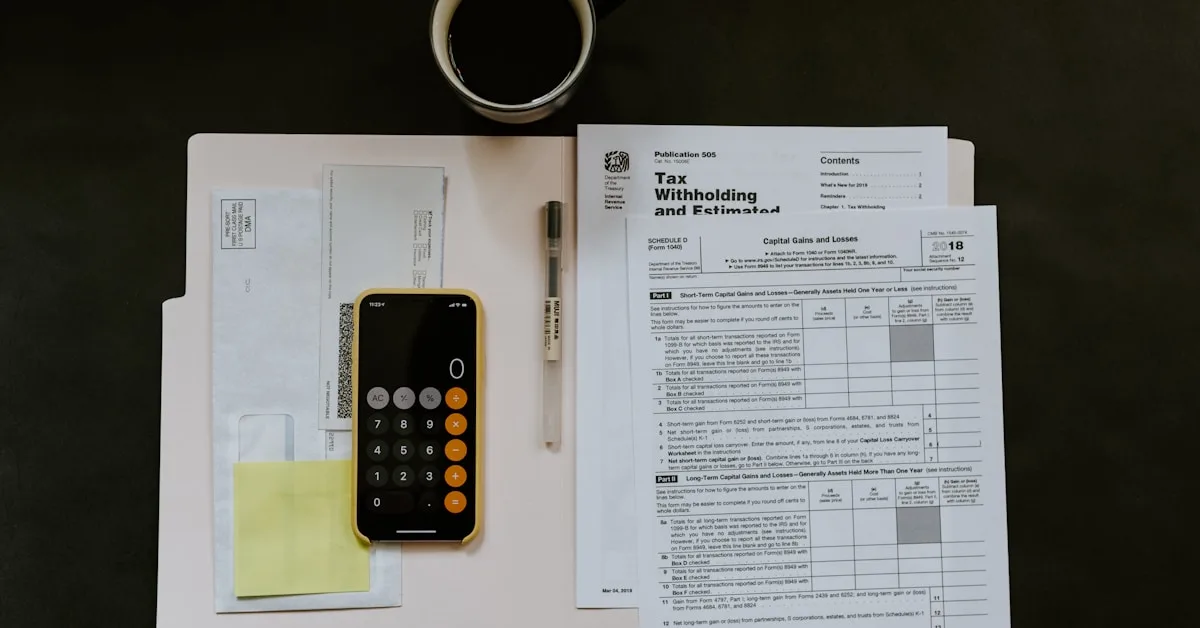
Fixed-rate mortgages decline modestly while adjustable-rate mortgages show continued volatility as markets digest recent Federal Reserve signals and economic data.

Learn when and how to lock your mortgage rate if you are buying a home this summer with an August closing date.

Learn how to choose between a fixed-rate mortgage and an adjustable-rate mortgage by evaluating your budget, timeline, and risk tolerance.

Understanding how the Federal Reserve's June 16-17, 2026 policy decision impacts mortgage refinancing opportunities and timing strategies for homeowners.

Compare HELOC and cash-out refinance options to tap your home equity in 2027, and learn which strategy fits your financial goals and risk tolerance.

Learn how to build cash reserves that satisfy lender requirements and protect your homeownership dream from unexpected expenses.

FHA loans accept credit scores as low as 500. Learn the exact qualification requirements, down payment rules, and steps to get approved even with challenged credit.

Learn how to refinance your mortgage with this complete guide covering credit checks, break-even calculations, rate shopping, and closing the deal.

Essential tax deductions and planning steps every property investor should review before filing to maximize savings and stay compliant with IRS rules.

Learn the key factors that determine whether refinancing your mortgage is the right financial move, including break-even analysis, rate comparisons, and timing considerations.

A clear comparison of FHA and conventional loans, including down payments, credit requirements, mortgage insurance, and which fits first-time buyers.

Understand discount points and origination points, how buying points lowers your rate, and how to know if paying for points is worth it.

Learn how to decide whether a mortgage refinance is worth it, how to calculate your break-even point, and which refinance type fits your goals.
Get new articles?
Want notifications about new articles and tools? You can unsubscribe anytime, and we store no personal data about you.
